
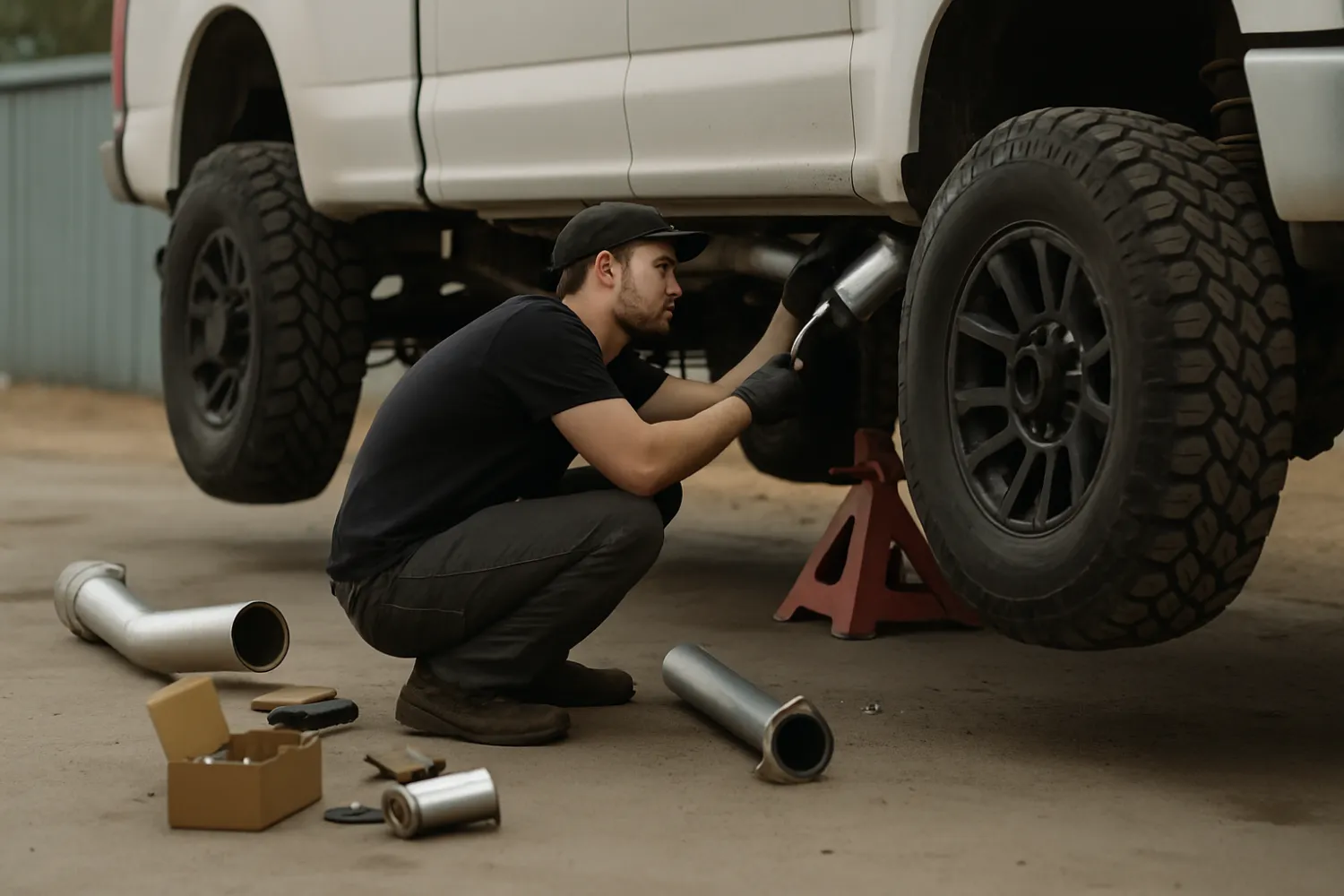
When you’re pushing a diesel truck into serious off-road terrain, reliability and power matter more than anything. That’s exactly where the Explosive Diesel Delete Kit comes in. It’s built for drivers who want stronger throttle response, cooler running temps, and an engine that works with them rather than dragging its feet under layers of emissions restrictions. And yes I’ll say it right away if you’re building a real off-road rig, the Explosive Diesel Delete Kit becomes one of the most important upgrades you’ll ever make.
Some trucks run fine in their stock form. Others? They feel like they’re suffocating the moment the trail turns steep or you hook on a loaded trailer. This kit is designed to solve that problem. And in the next 2,000-plus words, we’re breaking down everything you need to know so you can upgrade smarter, run stronger, and avoid the mistakes that cost enthusiasts both money and horsepower.
Let’s dive in.
I. Why the Explosive Diesel Delete Kit Exists
Modern diesel engines are impressive machines, but they’re also burdened by complex emissions hardware. DPFs, EGR valves, DEF systems all designed for road use can choke performance when you move into rugged environments. Heavy soot buildup, excessive backpressure, constant regens… it’s a recipe for downtime, not adventure.
A major problem is particulate accumulation, which is tied to fundamental principles of combustion and thermodynamics. When exhaust systems can’t flow efficiently, heat, pressure, and soot escalate in ways that directly reduce engine stability.
That’s why the Explosive Diesel Delete Kit was created. The mission is simple: give off-roaders, ranchers, overlanders, and heavy equipment haulers a setup that performs consistently without the bottlenecks caused by clogged emissions components. This kit removes unnecessary heat sources, airflow restrictions, and soot pathways all of which are notorious for triggering sudden derates in remote areas.
This isn’t about chasing peak horsepower numbers. It’s about responsiveness. It’s about drivability. It’s about dependability when you’re 30 miles down a washed-out trail with no cell signal. And of course, it’s about giving diesel engines the airflow they were meant to use from day one without unnecessary heat and backpressure holding them back.
II. What’s Inside the Explosive Diesel Delete Kit
Every piece inside this kit exists for a reason. No filler parts. No gimmicks. Everything contributes to freer airflow, reduced heat, and improved reliability.
Typical Components Include:
| Component | Function |
|---|---|
| DPF Delete Pipe | Replaces restrictive diesel particulate filter for freer exhaust flow |
| EGR Block-Off Plates | Prevent soot-laden exhaust gases from re-entering the intake |
| Coolant Reroute Fittings | Eliminates coolant flow through deleted EGR coolers |
| Sensor Adapters/Simulators | Ensures proper off-road tuning communication |
| Heavy-Duty Clamps & Hardware | Keeps everything sealed and stable during trail abuse |
| Optional Downpipe or Straight Pipe | Adds maximum flow for turbo efficiency |
The kit is assembled to endure the extreme mechanical stress diesel components undergo during long climbs, deep water crossings, and sandy terrain. Everything is reinforced, thick-walled, and tested under harsh conditions.
III. How the Kit Improves Off-Road Power & Throttle Response
Throttle lag is one of the biggest complaints from diesel owners in off-road scenarios. Stock emissions equipment creates excessive exhaust backpressure, forcing the turbo to work harder before it can spool. That delay makes navigating technical terrain frustrating even dangerous.
Once the Explosive Diesel Delete Kit is installed, the engine finally breathes freely.
Short sentence: The difference is immediate.
Long sentence: Instead of waiting for the turbo to wake up, the power comes on smoothly and predictably, giving you far more control when you’re crawling over rocks, sliding through thick mud, or scaling a steep incline with a long trailer pushing behind you.
Performance gains include:
- Faster turbo response
- More accessible low-end torque
- Sharper throttle behavior
- Smoother boost through tough terrain
- Greater control during towing and crawling
When the engine isn’t suffocating under a backed-up DPF or continuously circulating soot through the intake, everything feels tighter and more refined.
IV. Reliability & Engine Longevity Benefits
Soot is more than dirty residue it’s a byproduct of incomplete combustion that accelerates wear throughout a diesel engine. The U.S. Energy Information Administration (EIA) describes diesel combustion as a complex thermal and chemical process influenced by airflow, fuel atomization, and chamber conditions. When emissions systems are overloaded or malfunctioning, those conditions deteriorate quickly.
The Explosive Diesel Delete Kit is engineered to stabilize airflow and reduce unnecessary heat. When the exhaust system flows naturally, the engine no longer fights internal resistance.
Why reliability increases:
- Lower EGTs (especially under load)
- Reduced strain on the turbocharger
- No regens to interrupt power delivery
- Cleaner oil between changes
- Fewer failure points in the airflow system
In rugged environments deserts, mountain passes, forest service roads consistent airflow is everything.
V. Fuel Economy Advantages for Off-Road Setups
Fuel economy off-road has almost nothing to do with saving money and everything to do with extending range. Stock emissions systems often trigger regens or force the truck to compensate for airflow limitations, leading to unnecessary fuel consumption.
The Explosive Diesel Delete Kit stabilizes combustion, reduces restrictions, and eliminates regen cycles — all of which improve efficiency under the right conditions.
Most noticeable gains appear when:
- Crawling at low RPM
- Towing at steady speeds
- Driving long off-road distances
- Operating at higher altitudes
Better airflow = more complete combustion = less wasted fuel.
VI. Compatibility Across Engines and Platforms

The kit supports a wide range of diesel platforms, including:
- 6.7 Cummins (2007.5–2024)
- 6.6 Duramax (LMM, LML, L5P depending on engine)
- 6.7 Powerstroke (2011–2024)
- 3.0 Powerstroke & EcoDiesel platforms
- Nissan Titan XD 5.0 Cummins
- 2.8 Duramax (Colorado/Canyon)
Fitment varies based on:
- Model-year sensor layouts
- Bed/cab configuration
- Transmission type
- Exhaust routing differences
The instructions included with the Explosive Diesel Delete Kit provide specific callouts for each platform, reducing guesswork during installation.
VII. Installation Overview
Installing the kit is straightforward with basic mechanical experience, though some platforms require more patience than others.
Recommended tools:
- Metric socket set
- Exhaust hanger pliers
- Torque wrench
- Penetrating oil
- Pry bars
- Lift or tall jack stands
Installation Flow Summary:
- Remove DPF assembly
Start at the rear and work forward. Expect tight clamps and stubborn bolts. - Unplug or relocate sensors
Most trucks have several pressure and temperature sensors tied to the emissions system. - Install delete pipe and hardware
Alignment is critical — no exhaust leaks allowed. - Block off EGR pathways
Coolant reroutes and intake plates go on here. - Load off-road tuning
The engine must be calibrated for airflow changes. - Double-check everything
Especially clamps, coolant connectors, and wiring.
DIY jobs typically take 4–12 hours depending on the truck.
VIII. Safety Notes & Off-Road Use Disclaimer
The Explosive Diesel Delete Kit is intended for off-road use only. Using it on public roads violates federal emissions laws.
Additional considerations:
- It may void portions of the factory warranty.
- Exhaust components become extremely hot during operation.
- Trucks with increased torque should ensure proper tire, brake, and suspension capacity.
- Tuning must be correct to avoid engine damage.
A responsible setup protects both the vehicle and the driver.
IX. Supporting Mods for Maximum Gains
Deleting emissions components changes airflow dramatically. Supporting mods help stabilize temperature, boost, and fuel delivery.
Popular Upgrades Include:
- Cold air intake
- Larger intercooler
- Lift pump (especially for Cummins)
- Turbo-back exhaust
- Transmission tuning
- Heavy-duty radiator
These aren’t required, but they amplify the benefits of the Explosive Diesel Delete Kit.
X. How the Kit Performs in Harsh Off-Road Conditions
Every environment tests your build differently. Here’s how the kit holds up:
Desert Heat
Lower backpressure helps maintain stable EGTs.
Mud
Less hardware under the truck means fewer places for mud to pack and create heat retention.
Water Crossings
No fragile DPF housing below the frame.
High Elevation
Turbo spool improves because the engine isn’t fighting exhaust restriction.
Overall, the kit produces a smoother, stronger, more predictable truck.
XI. Real-World Testing at Explosive Diesels
Across numerous builds and field tests, drivers consistently report:
- Faster throttle response
- Lower EGTs
- Quieter, cleaner turbo operation
- Stronger mid-range torque
- Cleaner oil after service intervals
Data logs show:
- 8–12% torque improvement under load
- Up to 17% lower EGTs
- Reduced turbo duty cycles
When airflow stabilizes, everything else stabilizes too.
XII. Troubleshooting Common Issues After Installation
Here are the most common post-install issues and solutions:
Check Engine Light
Sensor plug not seated or incorrect tune loaded.
Rattling or Vibration
Misaligned clamp or hanger.
High EGTs
Boost leak — check intercooler pipes.
Exhaust Leak Sound
Re-seat clamps and verify alignment.
Tune Failing to Load
Weak battery or poor OBD connection.
Once installed and tuned properly, the system is extremely stable.
XIII. Maintenance After Installing the Kit
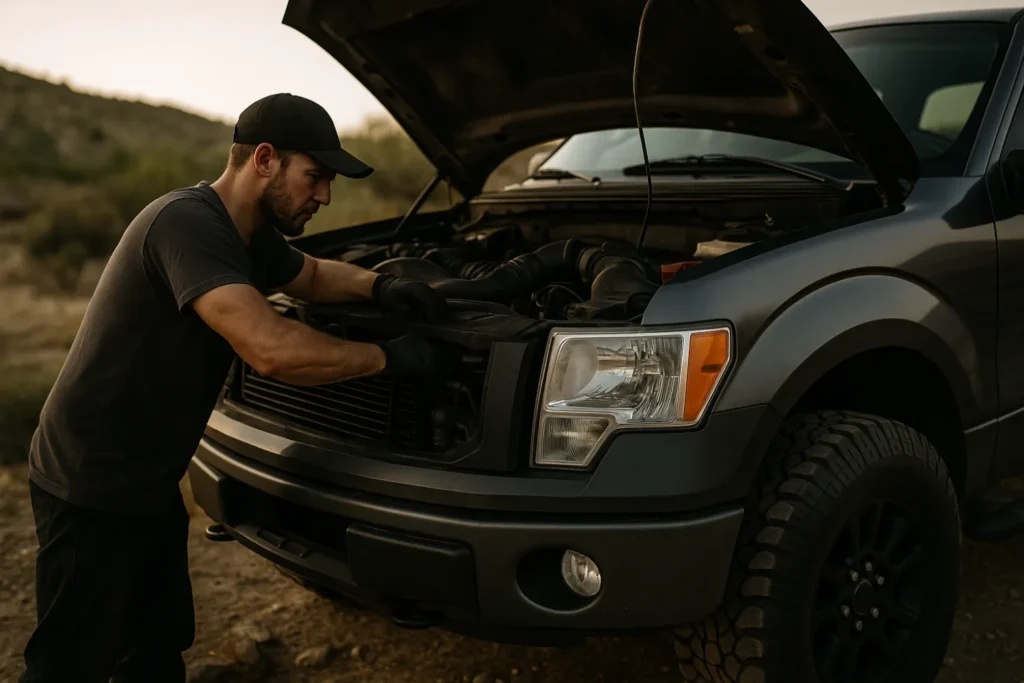
Deleting emissions simplifies maintenance, but consistency still matters.
Recommended Routine:
- Oil changes every 3,000–5,000 miles off-road
- Exhaust clamp inspections every 3–6 months
- Boost leak checks every season
- Tune updates as needed
- Coolant and turbo hose inspections regularly
Engines stay cleaner without EGR soot, often resulting in longer component life.
XIV. Cost Breakdown
| Item | Typical Cost |
|---|---|
| Explosive Diesel Delete Kit | $450–$1,300 |
| Off-Road Tuner | $600–$1,600 |
| Labor | $300–$900 |
| Optional Exhaust Mods | $250–$700 |
| Supporting Mods | $200–$1,200 |
Estimated Total:
$1,350 – $5,500 depending on how aggressively you build.
XV. Final Thoughts
If your diesel spends its life commuting, you don’t need this kit. But if you rely on your truck in rugged, remote, unpredictable environments, the Explosive Diesel Delete Kit becomes one of the most valuable upgrades you can install.
It sharpens power.
It improves reliability.
It reduces heat.
It simplifies the system.
It prepares your rig for places where towing companies don’t exist.
For off-road professionals, ranchers, overlanders, and remote workers, the benefits are undeniable.
FAQs
It’s an off-road performance kit designed to remove restrictive emissions components for better airflow, power, and reliability.
No, it is strictly for off-road use and not permitted on public roads.
Most drivers see faster throttle response, lower EGTs, and stronger low-end torque.
Yes, off-road tuning is required to ensure safe and proper engine operation.
In many cases, yes modifying emissions components may affect manufacturer warranty coverage.
DIY installs take 4–12 hours depending on experience, while shops may finish sooner.
Often yes, especially during towing, crawling, or long-distance off-road driving.
Cold air intakes, upgraded intercoolers, lift pumps, and transmission tuning pair well with the delete kit.
You may need more frequent oil changes and occasional exhaust clamp inspections.
Common issues include exhaust leaks, sensor errors, or boost leaks, all typically easy to fix with proper inspection.