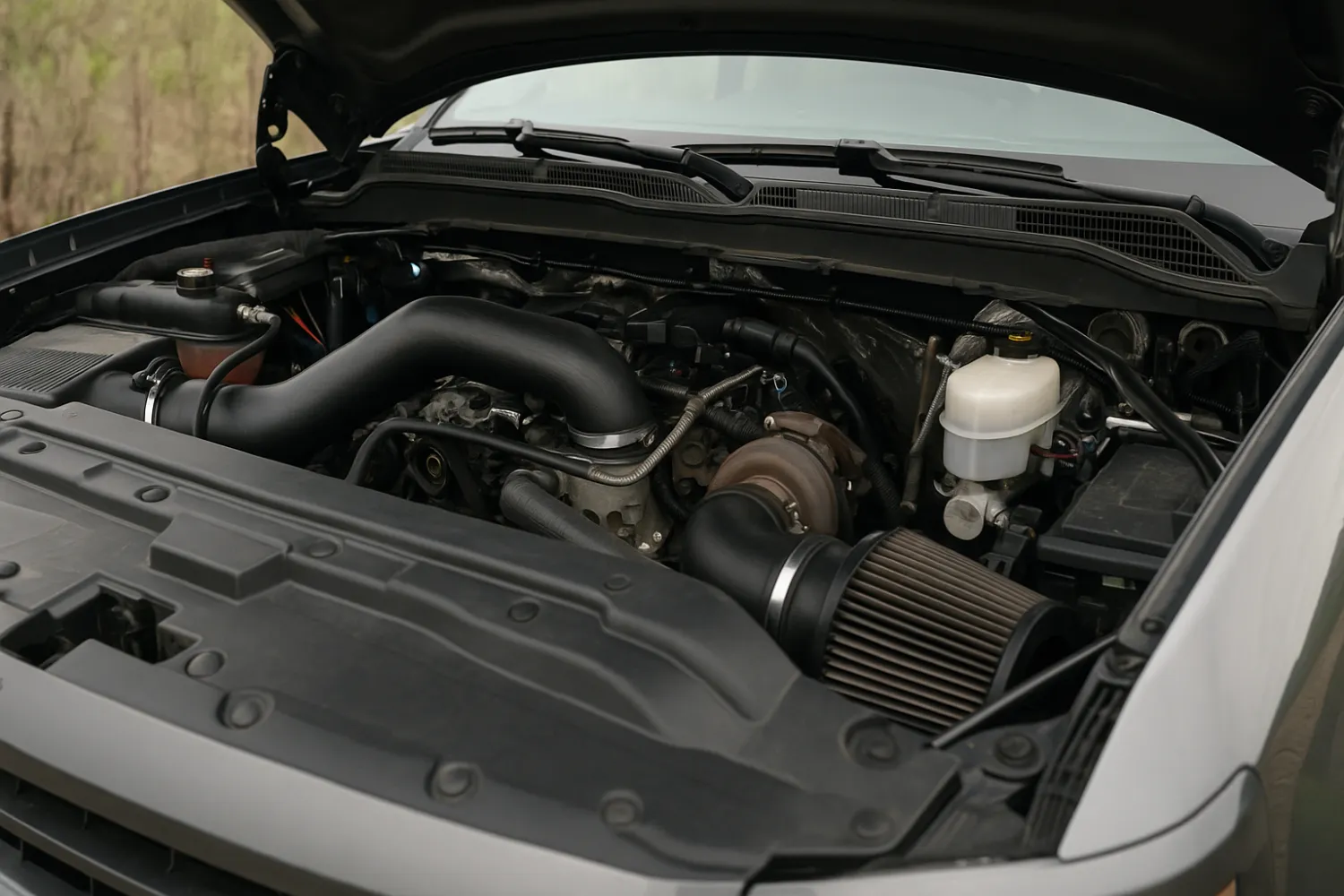
There’s something unmistakable about a 2016 Duramax. The LML platform is tough, proven, and built to work. But once you push it into harsh environments, climb long grades, or run long days on dusty backroads, you start noticing how much the factory emissions system changes the way this truck behaves. That’s usually when drivers look into a 2016 Duramax delete kit. And honestly, I get it! The factory setup wasn’t designed for the kind of punishment many off-road rigs see today.
Some drivers want lower EGTs. Others want more predictable performance on rough terrain. Many just want to stop fighting regens in the middle of nowhere. Whatever your reason, understanding exactly what a delete kit does and what it doesn’t do will set the foundation for a smart decision. And that’s what we’re diving deep into today.
I. Why Off-Road Owners Consider a Delete Kit
The LML Duramax is a strong performer. The block is solid, the transmission is stout, and the turbo is a workhorse. But emissions systems add complexity. Lots of it. Sensors, heat cycles, regens, soot accumulation, and fluid consumption all play a role in how the engine behaves off-road. When you’re climbing a steep grade with a full load of camping gear or crossing deep sand with no airflow around the underbody, those systems get stressed. Regens trigger. Temperatures spike. And suddenly the truck isn’t responding the way you need it to. That’s the pain point many off-roaders experience.
A 2016 Duramax delete kit aims to simplify the truck for off-road environments. It reduces heat, cuts down on failure points, and gives the driver more predictable performance when conditions get extreme. This article isn’t about selling you anything. It’s about helping you understand your choices. Off-road builds require clarity. And clarity is what you’ll find here.
II. Understanding the 2016 LML Duramax Emissions System
Before we talk upgrades, let’s talk about what you’re actually removing.
The 2016 Duramax runs three major emissions systems:
1. EGR (Exhaust Gas Recirculation)
Designed to reduce NOx emissions by feeding exhaust back into the intake.
Off-road downside? Soot buildup. Heat soak. Carbon deposits in the intake tract.
2. DPF (Diesel Particulate Filter)
Traps soot and cleans itself using high-heat “regens.”
Off-road downside? Regens don’t always initiate correctly in slow-speed or steep terrain. You get excessive heat spikes at bad times.
3. SCR/DEF System
Uses DEF fluid to treat exhaust gases.
Off-road downside? DEF heater failures, tank issues, and injector problems can leave drivers stranded.
These systems work in harmony on pavement. But in rugged environments, the harmony disappears fast. The truck starts responding to sensor readings and regen demands instead of driver input. That’s why off-road enthusiasts explore a 2016 Duramax delete kit to remove the most failure-prone components before they ruin a trip.
III. What a 2016 Duramax Delete Kit Typically Includes
Every delete kit looks a little different, but most include the core parts needed to remove emissions equipment and operate safely off-road.
Here’s what you’ll usually find inside:
| Component | Purpose |
|---|---|
| EGR block-off plates | Stops exhaust from recirculating |
| Coolant reroute fittings | Maintains proper coolant flow |
| Off-road exhaust (DPF-back or turbo-back) | Reduces restriction |
| Race pipes / straight pipes | Replaces DPF/SCR section for off-road use |
| DEF delete components | Removes tank and dosing components |
| Off-road tuner | Allows the engine to run correctly without emissions hardware |
| Hardware kit | Clamps, plugs, brackets, sensors |
Some kits are “complete,” while others are sold as individual components. A complete 2016 Duramax delete kit is usually the cleanest approach for off-road builds because it eliminates compatibility guessing.
IV. Installation Overview: What You Should Expect
Let’s be direct installing a delete kit isn’t the hardest job in the world, but it demands patience, proper tools, and attention to detail.
Tools You’ll Want Ready
- Ratchet set
- Torque wrench
- Penetrating oil
- Line wrenches
- Exhaust hanger tool
- Pry bar
- Safety glasses
- Work gloves
Average Install Time
- DIY: 6–12 hours
- Professional shop: 3–6 hours
Skill Level
Moderate. Not beginner-friendly, but very doable with experience.
Installation Steps (High-Level)
- Remove the EGR components.
- Install block-off plates and coolant reroute.
- Remove DPF/SCR/DEF components from under the truck.
- Install off-road exhaust hardware.
- Load your off-road tuning files.
The main challenge? Seized bolts. Especially on rust-belt trucks. Give yourself extra time if the truck has seen winter roads.
Pro tip I tell every enthusiast:
Label your sensors and harnesses.
It seems unnecessary until reassembly becomes a guessing game.
V. Performance Changes You Can Expect After Deleting
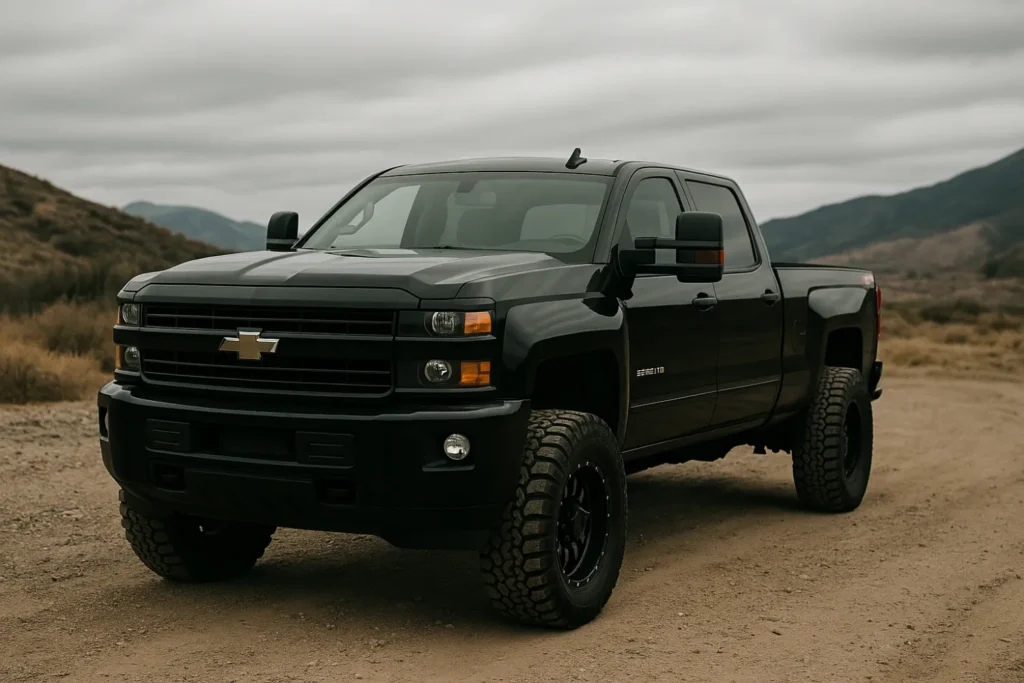
Now we get to the part everyone asks about. “What do I actually gain from deleting?”
Here’s the truth: deletes don’t magically turn a 2016 Duramax into a race truck. What they do is unlock consistency, stability, and longevity in harsh off-road environments.
Below are the most meaningful gains:
Lower EGTs
On long climbs or slow-moving trail sections, EGTs drop significantly after deleting. With emissions equipment removed, the turbo works easier and heat dissipates more predictably.
More Stable Power Delivery
No more surprise regens. No heat spikes. No sudden drop in performance while crawling or towing up inclines.
Better Throttle Response
Once airflow improves, the turbo spools more efficiently, especially at low RPM.
Fuel Economy Improvements
Most drivers see 1–3 MPG gains off-road. Some see more. It depends on:
- Tire size
- Tune file
- Terrain
- Driving habits
Noise Change
Expect more presence. Not obnoxious. Just more mechanical feedback. For some, that’s part of the fun.
Here’s a simple comparison table:
| Category | Stock | Deleted (Off-Road) |
|---|---|---|
| EGTs | Higher, fluctuating | Lower, stable |
| Throttle Response | Soft | Sharper |
| Regens | Frequent | None |
| Reliability | Mixed in harsh terrain | Stronger |
| Power Delivery | Inconsistent | Predictable |
This is why many off-road drivers feel a 2016 Duramax delete kit transforms the entire driving experience.
VI. What the Delete Kit Will Not Do
This is where some people get tripped up. A delete kit fixes specific issues, not all issues.
A delete kit will not:
- Replace maintenance you’ve ignored.
- Fix failing injectors or CP4 pump problems.
- Give you unlimited power.
- Turn a tired turbo into a high-performance model.
- Remove the need for monitoring your truck’s vitals.
Deleting simplifies the system. It doesn’t make it invincible.
VII. Why Off-Road Tuning Matters More Than Hardware
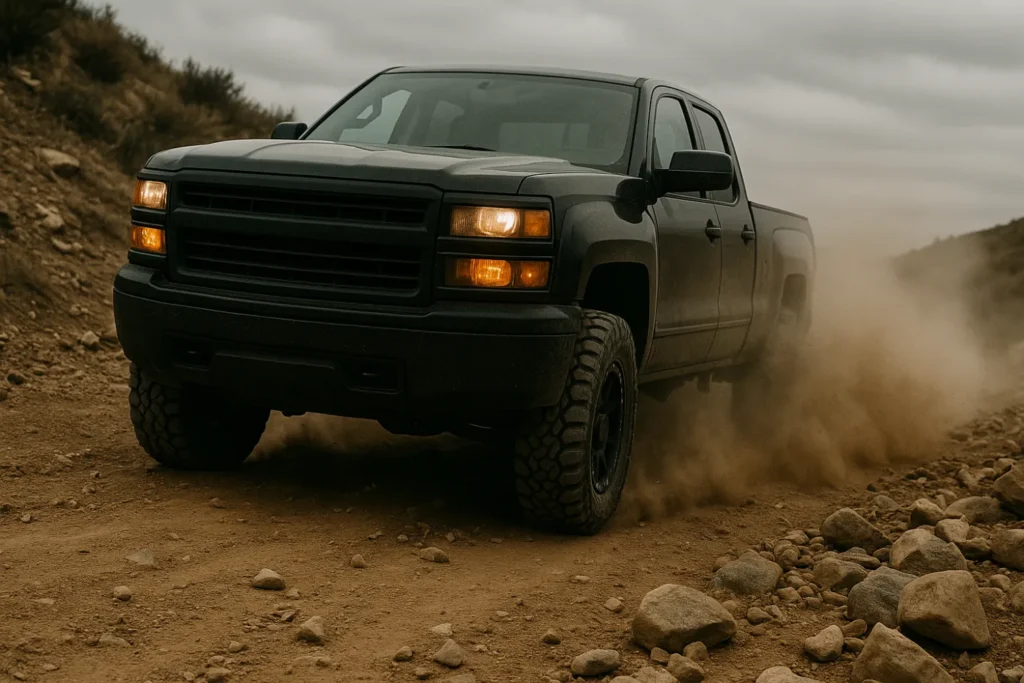
Let me be blunt the tune is everything.
Hardware frees the engine to breathe.
Tuning tells the engine how to use that freedom.
Popular tuners for the LML:
- EFI Live
- MM3
- EZ Lynk
Choosing a file from a reputable tuner is non-negotiable. Poor tuning leads to:
- High EGTs
- Harsh shifting
- Turbo overspeed
- Poor drivability
- Reduced engine life
Common Tune Levels
- Tow
- Street
- Performance
- Economy
Off-road drivers tend to favor tow or street tunes because they balance power and stability. Performance tunes are fun but require great cooling and perfect conditions.
VIII. Off-Road Reliability Improvements
Once the emissions equipment is removed, the engine no longer spends half its life battling soot or managing regen cycles. Instead, it focuses on delivering power.
You’ll typically see improvements in:
- Turbo longevity
- Exhaust flow
- Temperature stability
- Sensor reliability
- Fuel system cleanliness
- Underbody airflow (after removing DEF components)
Drivers report fewer interruptions and fewer “limp mode surprises” during extreme climbs.
A 2016 Duramax delete kit doesn’t eliminate all problems but it removes a long list of common ones.
IX. Fuel Economy and Torque: The Numbers That Actually Matter
Fuel economy gains vary, but real-world off-road trucks often see increases because:
- The turbo works less
- There’s no regen dumping fuel
- The engine operates in a cleaner, more predictable cycle
Torque response also feels more immediate. The engine breathes better and reacts faster to throttle input.
X. Downsides & Considerations Before Deleting
Here’s the honest section and honesty matters.
Potential Downsides
- Warranty may be affected
- More exhaust noise
- Upfront cost investment
- Need to maintain tuning hardware
- Must monitor EGTs, boost, and vitals more closely
- Resale market becomes more niche
Deleting is a commitment. A rewarding one, but still a commitment.
XI. Maintenance After Deleting: What You Need to Keep Doing
Deleting doesn’t cancel maintenance. It refocuses it.
Here’s what off-road drivers should track:
Oil Change Intervals
Still critical soot decreases but heat cycles remain intense.
Boost Leak Checks
With freer airflow, small leaks become more obvious.
Turbo Care
Cool-down cycles matter. Let the turbo breathe before shutdown.
Fuel Quality
Bad fuel hits harder when you’re relying heavily on tuning.
Monitor EGTs & Boost
Even deleted trucks can run hot if overloaded.
Deleting your 2016 Duramax simplifies many things, but it elevates the importance of the fundamentals.
XII. Cost Breakdown: What You Should Expect
Here’s an approximate cost range for a complete 2016 Duramax delete kit and related upgrades:
| Category | Cost Range |
|---|---|
| EGR block-off kit | $150–$300 |
| Off-road exhaust | $500–$1,300 |
| Race pipe / straight pipe | $150–$300 |
| Off-road tuner | $700–$1,200 |
| Professional install | $600–$1,200 |
Optional Enhancements
- Lift pump: $650–$1,000
- Cold air intake: $250–$500
- Upgraded manifolds: $400–$900
Total builds vary, but most off-roaders land between $1,800–$4,000 depending on goals.
XIII. Realistic Expectations for Off-Road Drivers
So what’s it like after deleting?
Imagine this:
You’re climbing a long, loose, rocky trail. The engine stays cool. The throttle responds instantly. No regen interruption. No heat spike. Just clean, consistent power.
That’s why drivers swear by a 2016 Duramax delete kit.
It’s not about chasing record horsepower. It’s about making the truck dependable in unpredictable environments.
If you value:
- Stability
- Predictability
- Lower heat
- Reduced failures
Then deleting fits your goals.
XIV. Final Thoughts Is the 2016 Duramax Delete Kit Worth It?
If you use your LML Duramax hard truly hard in off-road environments, then yes, a delete kit can be one of the most meaningful upgrades you’ll ever add. It simplifies the engine, reduces heat, cuts failure risks, and delivers more linear, usable power on rugged terrain.
No, it’s not magic.
No, it doesn’t fix deeper mechanical problems.
But it absolutely reshapes how the 2016 Duramax behaves under pressure.
If off-road reliability matters to you, and if you understand the commitment, you’ll find tremendous value in a well-installed, properly tuned 2016 Duramax delete kit.
Explosive Diesels exists for drivers like you people who want more from their machines, people who push farther, climb higher, and refuse to settle for factory limits. Build smart. Tune responsibly. Enjoy every mile of your off-road journey.
FAQs
A 2016 Duramax delete kit is a collection of off-road components designed to remove emissions equipment and improve airflow, cooling, and performance in rugged conditions.
Yes, most drivers experience lower EGTs, better throttle response, and more consistent power delivery on trails and steep terrain.
Absolutely the engine requires proper off-road tuning to run correctly, safely, and efficiently without the factory emissions systems.
Most off-road setups gain more usable torque and smoother power delivery, though exact horsepower gains depend on the tune.
No, deleting won’t repair failing injectors, turbos, or fuel system components; it only removes emissions-related restrictions.
Installation is moderately challenging and usually takes 6–12 hours for DIY installers, depending on experience and rust conditions.
Oil changes, turbo cooldowns, boost leak checks, and regular monitoring of EGTs and boost remain critical for long-term reliability.
Many off-road drivers see 1–3 MPG improvements due to reduced heat, no regens, and more efficient airflow.
Potential downsides include more exhaust noise, upfront cost, warranty impact, and the need for ongoing tuning updates.
For drivers who frequently tackle rugged terrain, a delete kit often boosts reliability, reduces heat, and delivers more predictable performance.