
The 2016 Chevy 2500 delete kit conversation never really goes away. And there’s a reason for that. The 2016 Silverado 2500 HD, powered by the Duramax LML, sits in a sweet spot. It’s modern enough to make serious power. Old enough to respond dramatically to the right modifications. And burdened like every diesel of its era by emissions hardware that limits what the engine can truly do.
If you use your truck off road, tow heavy, or simply want reliability that lasts beyond warranty life, a delete kit isn’t about shortcuts. It’s about removing restrictions that were never designed with longevity or performance in mind. We’re Explosive Diesels. We live in the real world of torque curves, heat management, airflow, and mechanical honesty. This guide breaks down what a 2016 Chevy 2500 delete kit actually does, what it doesn’t do, and how to approach it the right way without hype or fluff.
Why the 2016 Chevy 2500 Still Gets So Much Attention
The 2016 Silverado 2500 HD uses the Duramax LML platform paired with the Allison transmission. From the factory, it’s strong. But it’s also choked. Emissions equipment added complexity, heat, and failure points. Over time, those systems become the weakest link. Regenerations interrupt driving. Soot builds up. Exhaust gas temperatures climb. Sensors fail. Limp mode becomes familiar.
Off road, those systems offer no benefit. They don’t help power delivery. They don’t help reliability. And they don’t help when you’re hauling, crawling, or spending long days under load. That’s where delete kits enter the conversation.
Understanding the Factory Emissions System on the 2016 Duramax
Before removing anything, you need to understand what you’re dealing with. The 2016 Chevy 2500 emissions system is layered. Each component affects the others.
Key factory components include:
- DPF (Diesel Particulate Filter)
Traps soot and burns it off during regeneration cycles. According to Wikipedia’s overview of diesel particulate filters, the DPF’s primary role is emissions reduction not engine efficiency or durability making it a common restriction point in performance applications. - EGR (Exhaust Gas Recirculation)
Sends exhaust gases back into the intake to lower combustion temperatures, increasing soot buildup inside the intake tract over time. - DEF/SCR system
Uses diesel exhaust fluid to reduce NOx emissions after combustion.
Each of these parts adds restriction. Each adds heat. Each relies on sensors and software to function correctly. Over time, the system doesn’t age gracefully. Regens become more frequent. EGTs increase. Power delivery becomes inconsistent. A 2016 Chevy 2500 delete kit removes these bottlenecks completely when paired with proper tuning.
What a 2016 Chevy 2500 Delete Kit Actually Includes
Delete kits aren’t magic. They’re mechanical solutions.
A full 2016 Chevy 2500 delete kit typically addresses three systems: exhaust flow, intake contamination, and post-combustion treatment.
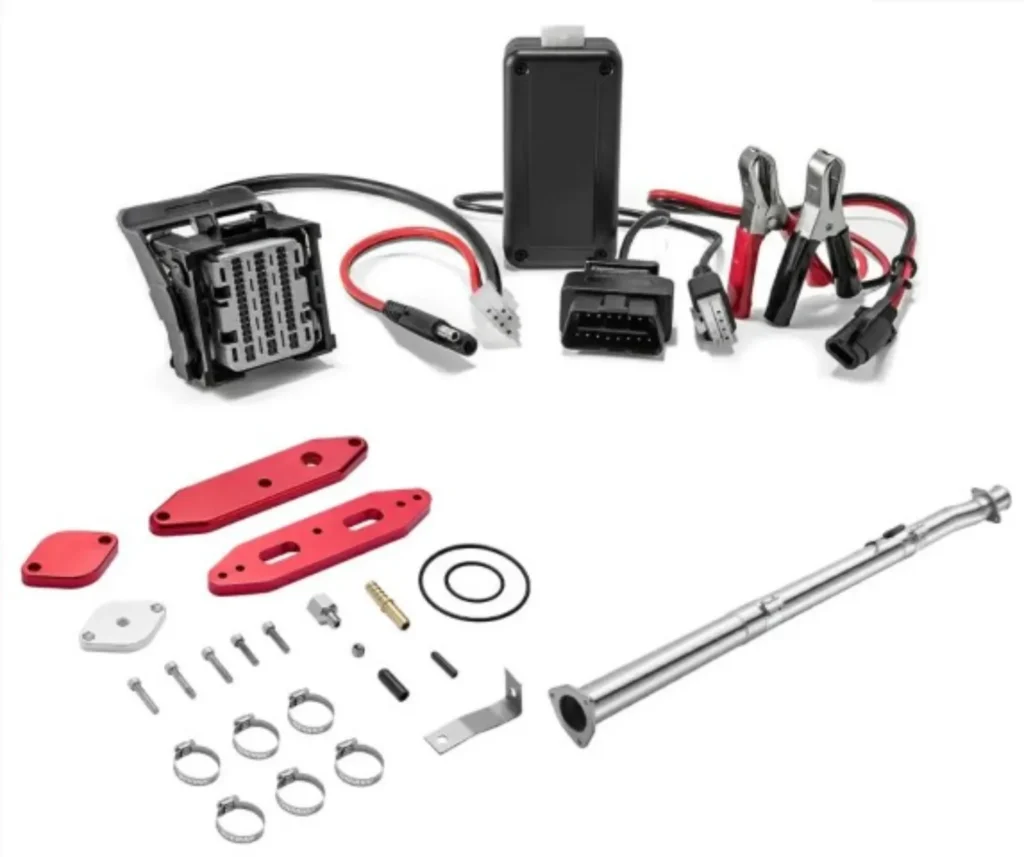
Most kits include:
- DPF delete pipe or full exhaust section
- EGR delete components (block-off plates or full cooler removal)
- Hardware to remove or bypass DEF/SCR components
- Sensors or provisions to work with tuning software
Some owners choose partial deletes. Others go all in. From a performance and reliability standpoint, partial deletes often leave problems behind.
Performance Gains You Can Expect After a Delete
Let’s talk honestly about power.
A 2016 Chevy 2500 delete kit does not magically turn your truck into a race rig. What it does is unlock power that was already there—but suppressed.
Typical performance changes include:
- Faster throttle response
- Stronger low-end torque
- More consistent power delivery under load
- Reduced turbo lag
- Smoother acceleration when towing
Peak horsepower gains depend heavily on tuning, but the feel of the truck changes immediately. The engine breathes. Exhaust flows freely. Boost comes on earlier.
Reliability Improvements That Matter Long-Term
Power is exciting. Reliability is why most owners delete.
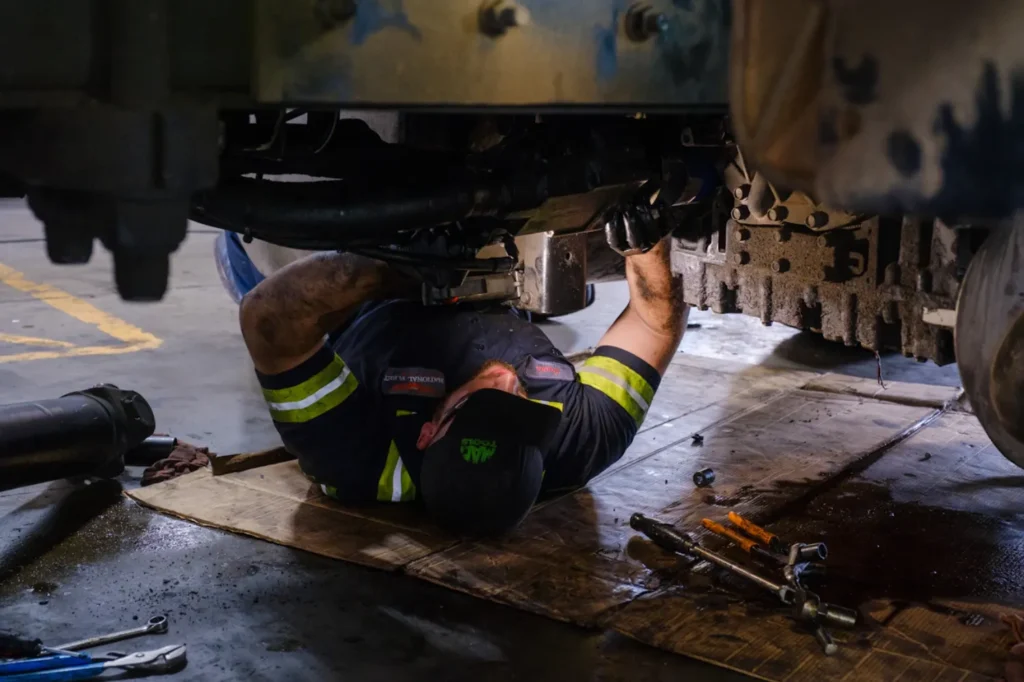
The factory emissions system introduces failure points that multiply with mileage. A delete simplifies the system dramatically.
Reliability benefits include:
- Lower exhaust gas temperatures
- Reduced engine bay heat
- Cleaner intake tract without EGR soot
- No regeneration interruptions
- Fewer sensors to fail
For trucks with 100,000 miles or more, the difference is dramatic. For off-road trucks that see long idle times, slow crawls, or heavy towing, it’s night and day.
Fuel Economy: What Changes and What Doesn’t
Fuel economy is often misunderstood.
Some drivers see gains. Others don’t. And both experiences can be valid.
After installing a 2016 Chevy 2500 delete kit, fuel economy depends on how you drive, how you tune, and how you load the truck.
What does improve is efficiency lost to forced regeneration cycles. According to the U.S. Environmental Protection Agency, regeneration events increase fuel consumption by injecting additional fuel to burn off soot fuel that provides no usable power to the drivetrain.
Tuning: The Non-Negotiable Piece
Let’s be clear.
A 2016 Chevy 2500 delete kit without tuning is incomplete. And risky.
Tuning recalibrates the engine to operate without emissions equipment. It manages fueling, boost, timing, sensor logic, and safety limits.
Proper tuning should:
- Disable regeneration logic
- Adjust fueling for free-flowing exhaust
- Manage EGTs safely
- Match power levels to your transmission and use case
Generic tunes are where problems start. Purpose-built tuning is where reliability lives.
Exhaust Options After Deleting
Once the DPF is gone, exhaust choice matters.
Common options include:
- 4-inch exhaust systems – Balanced sound, reduced drone
- 5-inch exhaust systems – Maximum flow, louder tone
Material choice matters too. Stainless lasts longer. Aluminized lowers upfront cost.
Installation Overview
Installing a 2016 Chevy 2500 delete kit isn’t technically complex, but it is time-consuming.
Expect:
- Several hours of labor
- Tight clearances
- Rusted fasteners on higher-mileage trucks
- Sensor removal and routing
A lift helps. Experience helps more.
Risks, Considerations, and What Can Go Wrong
Most problems come from shortcuts.
- Poor-quality exhaust components
- Aggressive tuning without monitoring
- Skipping supporting mods
- Ignoring heat management
A delete kit is not the place to gamble.
Legal and Off-Road Use Disclaimer
Delete kits are intended for off-road and competition use only. Federal emissions regulations apply to vehicles driven on public roads. Always understand local inspection and registration requirements.
Explosive Diesels focuses on off-road performance applications only.
Who Should Consider a 2016 Chevy 2500 Delete Kit
A 2016 Chevy 2500 delete kit makes sense for:
- Off-road enthusiasts
- Heavy towing setups
- High-mileage Duramax owners
- Performance-focused builds
It’s not ideal for emissions-tested daily drivers.
Supporting Mods That Pair Well
- Cold air intake
- Lift pump
- Transmission tuning
- EGT and boost gauges
Deletes work best as part of a system.
Maintenance After Deleting
- Regular oil changes
- Monitor EGTs
- Inspect exhaust connections
- Keep tuning updated
Less clutter. Fewer faults. More confidence.
Cost Breakdown
| Component | Typical Cost Range |
|---|---|
| Delete kit hardware | Mid-range |
| Tuning | Mid-range |
| Installation | Varies |
| Supporting mods | Optional |
Cheap setups often cost more later.
Final Thoughts
A 2016 Chevy 2500 delete kit isn’t about breaking rules. It’s about removing restrictions that hurt performance and reliability in off-road environments.
Done correctly, it delivers cooler temps, smoother power, and a truck that behaves the way a diesel should.
That’s what we build at Explosive Diesels.
FAQs
A 2016 Chevy 2500 delete kit removes factory emissions components like the DPF, EGR, and DEF systems for off-road performance use.
Yes, proper tuning is mandatory to safely run the engine without emissions systems and to prevent check engine lights or drivability issues.
Power gains vary by tune, but most owners notice stronger torque, faster throttle response, and improved towing performance.
When done correctly, deleting can reduce heat, eliminate regeneration problems, and improve long-term engine reliability.
Some drivers see modest MPG improvements, especially on the highway, but results depend on driving habits and tuning.
Yes, towing often feels smoother and more stable when paired with proper tuning and EGT monitoring.
Delete kits are intended for off-road or competition use only and may violate emissions laws if used on public roads.
Common upgrades include a cold air intake, lift pump, transmission tuning, and EGT or boost gauges.
Experienced DIYers can install one, but many owners choose professional installation due to tight clearances and sensor complexity.
Yes, but reversing a delete can be costly and time-consuming if factory components were removed or modified.