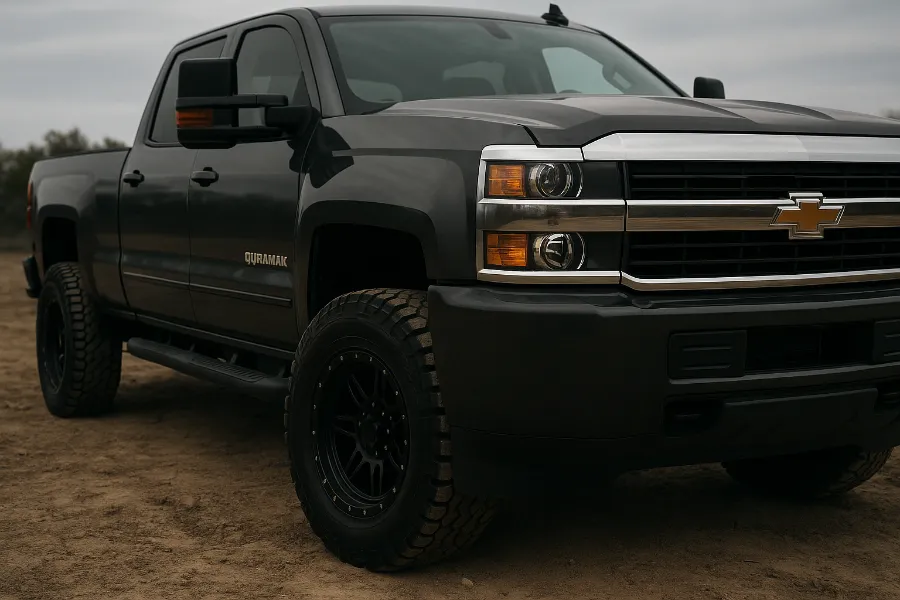
The 2016 Duramax delete kit has become one of the most talked-about upgrades in the diesel performance world. And for good reason. The LML platform is strong, capable, and impressively adaptable but it also comes with a factory emissions system that doesn’t always play nicely with heavy off-road use. When you’re crawling over rock, pushing through mud, or hauling gear into places where cell service goes to die, you want predictable power. You want cooler temps. You want a truck that doesn’t decide to regen at the worst possible time. That’s where the 2016 Duramax delete kit conversation begins.
I’ll be upfront: deleting is a serious choice. While this article focuses on off-road performance, tuning flexibility, and technical insights, it’s still important to note that these modifications are intended exclusively for closed-course, off-road scenarios. That said, if you’re building a Duramax that’s meant to pull harder, run cooler, and stay consistent no matter what terrain you throw at it get ready. Because this is where the LML truly wakes up.
I. Why 2016 Duramax Owners Consider a Delete
The LML Duramax is no lightweight. It delivers stout torque, an efficient turbo system, and the kind of durability diesel owners expect. Yet a recurring theme pops up across owners pushing the truck off-road: the emissions equipment can be temperamental.
- DPF clogging during low-speed crawling
- Regeneration cycles triggering on steep grades
- EGR soot buildup during high-load, low-airflow situations
- DEF system failures caused by vibration or extreme weather
Add all that up, and the case becomes clear. Many off-road drivers explore a 2016 Duramax delete kit not out of trend but out of necessity for a more predictable, controllable experience. When you’re deep into tough terrain, you don’t want surprises. You want throttle response that matches your intention. You want temperatures you can control. And you want reliability.
II. Understanding the 2016 LML Duramax Emissions System
To fully appreciate the impact of a delete kit, you have to understand what the stock system is doing and why it sometimes struggles off-road.
The components involved:
- DPF (Diesel Particulate Filter)
- DOC (Diesel Oxidation Catalyst)
- SCR (Selective Catalytic Reduction)
- DEF system (injector, tank, heater, sensors)
- EGR valve and EGR cooler
- NOx sensors
Each part has a job. But each part also adds heat, restriction, or complexity things off-road rigs don’t always love.
Common Weak Points Under Off-Road Conditions
- DPF fills quickly at low RPM
- EGR increases soot during high-load slow climbing
- NOx sensors fail frequently on LML models
- DEF heaters struggle in cold weather
- Regens interrupt heavy-load situations and spike temps
When you evaluate an off-road build, you’re really evaluating predictability. The emissions system is the opposite of predictable when airflow gets inconsistent. That is the heart of the conversation around the 2016 Duramax delete kit.
How These Systems Affect Drive Behavior
A stock emissions system:
- increases turbo lag
- adds exhaust backpressure
- raises EGTs when pushing the engine
- complicates low-speed drivability
On the highway, the system works fairly well. But off-road? The story changes fast.
III. What a 2016 Duramax Delete Kit Typically Includes
Delete kits vary depending on how deep you want to go. Many off-road builders choose a full system, while others start with a partial approach.
Here’s a breakdown:
Common Components
- DPF/DOC/SCR delete pipe
- EGR block-off plates or delete kit
- Race/off-road tuning software
- Upgraded exhaust system
What’s Optional
- Downpipe
- Cold air intake
- Intercooler upgrades
- Transmission tuning
Partial vs. Full Delete Table
| Delete Type | Components Included | Off-Road Performance Impact | Complexity |
|---|---|---|---|
| DPF-Only Delete | DPF/DOC/SCR removed; tune required | Moderate | Low |
| EGR-Only Delete | EGR valve + cooler removed | Reliability improvement | Medium |
| Full Delete Kit | DPF, DOC, SCR, EGR, tune | Maximum airflow & cooling | Medium–High |
A full 2016 Duramax delete kit offers the best off-road power consistency. It removes multiple bottlenecks at once, giving the turbo and engine a cleaner airflow path.
IV. Off-Road Performance Gains You Can Expect
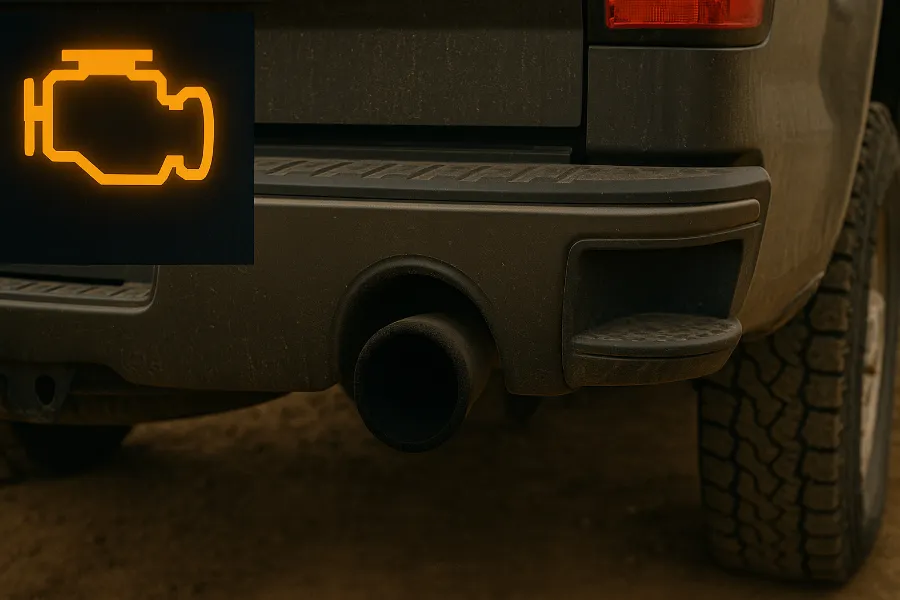
This is where things get exciting. When you remove exhaust restriction and recalibrate fueling and timing, the LML wakes up in a dramatic way. And yes I’ve personally seen trucks take on steep inclines with noticeably more grunt after a proper delete and tune.
Typical Gains
- Improved throttle response
- 30–80+ extra horsepower (depending on tune)
- Lower EGTs by 100–300° F
- Faster turbo spool
- Reduced regen-related heat swings
Lower EGTs are huge. Heat is the silent performance killer when driving off-road. A cleaner exhaust path means the turbo doesn’t have to work as hard—and neither does the engine.
Turbo Longevity and Cooling
With less backpressure:
- Turbo bearings run cooler
- Spool-up improves noticeably
- Boost stabilizes under heavy load
Off-road, that means fewer overheating scares, fewer bog-down moments, and better sustained climbs.
V. Durability and Reliability Improvements for the 2016 LML
One of the biggest selling points of a 2016 Duramax delete kit is reliability. Not the “maybe it helps” kind of reliability. The measurable kind.
For Off-Road Drivers, These Changes Matter
- No forced regens mid-trail
- Less soot buildup inside the intake and engine
- Fewer sensor-related limp modes
- More predictable throttle control
- Reduced coolant temps during hard pulls
Soot kills efficiency. It clogs your intake, gunks up your EGR, and slowly pushes temperatures upward. With deletes, the engine stays cleaner, breathes better, and responds more consistently.
VI. The Real Costs: Parts, Tuning, and Installation
Let’s talk money—because performance always comes with a price tag.
Typical Off-Road Delete Kit Pricing
| Item | Price Range |
|---|---|
| DPF/CAT Delete Pipe | $300–$700 |
| EGR Delete Kit | $150–$450 |
| Off-Road Tune | $300–$1,200 |
| Exhaust System | $250–$1,000 |
| Installation (if not DIY) | $400–$1,200 |
A complete 2016 Duramax delete kit usually lands between $1,200 and $2,800, depending on hardware quality and tuning platform.
Hidden Costs to Consider
- New clamps or gaskets
- Upgraded sensors (optional)
- Data monitoring equipment
- Transmission tuning
And yes cheap tuning often becomes expensive tuning when the engine starts behaving unpredictably. Invest in a reputable platform. That decision alone can save thousands.
DIY vs. Professional Install
If you’re mechanically confident, a LML delete is very doable. But if:
- rust
- snapped bolts
- tuning complications
- exhaust alignment issues
…make you uneasy, a professional installer is worth every dollar.
VII. Light Disclaimer: Warranty + Legal Considerations
I’ll keep this straightforward without overwhelming the tone:
- Deleting emissions equipment affects manufacturer warranties.
- These modifications should be used for off-road, closed-course applications only.
- Emissions system alteration may violate regulations if used on public roads.
Explosive Diesels covers delete kits because off-road performance demands predictable engine behavior. Nothing more, nothing less.
VIII. Tuning Options for the 2016 Duramax After a Delete
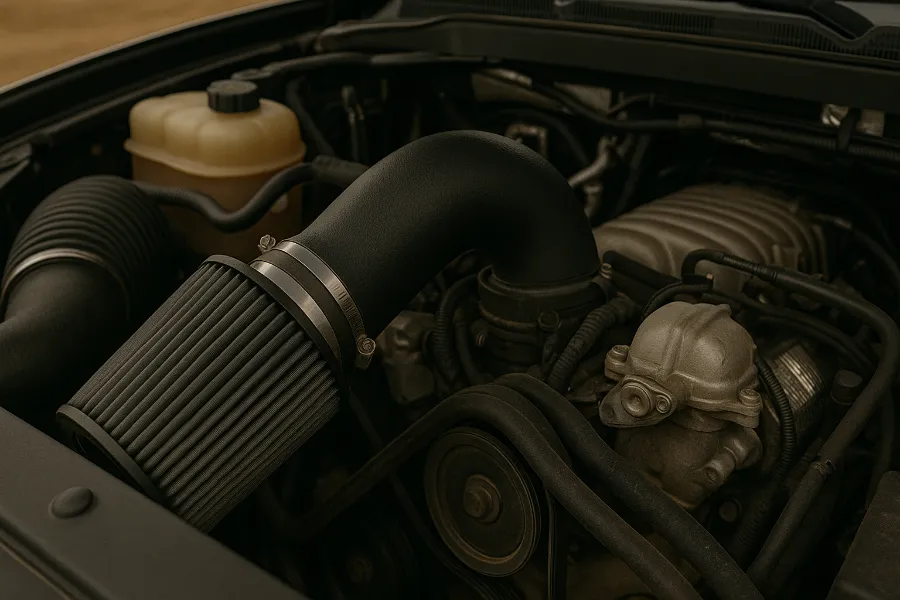
Tuning is everything. Hardware removes restrictions, but tuning orchestrates the transformation. Without a proper tune, a delete kit is just expensive pipe.
Common Tuning Options
- Single tune
- Multi-tune switchable setups
- Tow, race, economy, and trail-specific tunes
Which Works Best Off-Road?
Off-road drivers usually prefer tunes with:
- softer throttle mapping at low speeds
- stable boost curve
- moderate fueling increases
- predictable torque delivery
- controlled EGT behavior
Don’t Forget Transmission Tuning
Your Allison 1000 benefits from:
- raised line pressure
- optimized shift timing
- improved torque management
Bad tuning equals bad experience. Good tuning turns the 2016 Duramax delete kit into a trail monster.
IX. Supporting Upgrades That Make a Delete Kit Truly Shine
A delete kit is a huge step, but pairing it with complementary upgrades multiplies the gains.
Highly Recommended Add-Ons
- Cold Air Intake – improves breathing
- Aftermarket Downpipe – reduces turbo drive pressure
- Upgraded Intercooler Piping – lowers charge temps
- Lift Pump – stabilizes fuel delivery
- Exhaust System – helps airflow consistency
These upgrades aren’t required, but they transform the driving experience.
How They Help Off-Road
- Less lag
- Lower EGTs
- Smoother throttle control
- Better torque under load
- More stable combustion
Together, these form a reliable and powerful off-road build.
X. Step-by-Step Off-Road Build Blueprint for a 2016 Duramax
If you’re upgrading in stages, follow this structure. It’s based on real-world experience and hundreds of LML builds.
Stage 1: Foundation
- Full delete kit
- Off-road tune
- Mild transmission adjustments
Result: Cooler temps, strong response, predictable trail behavior.
Stage 2: Airflow & Cooling
- Intake
- Downpipe
- Exhaust
- Monitoring gauges or digital monitor
Result: Better turbo health, improved spool, cleaner powerband.
Stage 3: Strength & Longevity
- Lift pump
- Intercooler piping
- Optional turbo upgrade
Result: A build ready for steep terrain, towing, hauling, or long-distance off-grid trips.
XI. Troubleshooting After Installation
Even with a perfect setup, small issues may appear. Here’s how to handle them.
Common Post-Delete Issues
- Check engine lights — usually tune-related
- Soot at exhaust exit — often normal for off-road setups
- Boost spikes — may require tuning adjustment
- Rattles or leaks — usually clamp-related
Avoid These Beginner Mistakes
- Not tightening V-band clamps properly
- Skipping data monitoring
- Running aggressive tunes without airflow upgrades
- Ignoring transmission behavior
Simple Routine Checks
- Look for soot trails around exhaust connections
- Watch EGTs during heavy-load climbs
- Monitor boost and fuel pressure periodically
Treat your deleted LML like a performance machine not an appliance and it will reward you.
XII. Is a 2016 Duramax Delete Kit Worth It?
For the right off-road driver? Absolutely. A delete transforms the LML from a restricted workhorse into a responsive, predictable, low-temperature performer that’s more enjoyable to drive.
Ideal Candidates
- Trail riders
- Overlanders
- Towing rigs operating off-road
- High-altitude explorers
- Drivers in extreme climates
Who Should Skip It
- Anyone who primarily drives on public roads
- Those who expect warranty support
- Drivers unwilling to maintain tuning hardware
For off-road applications, a 2016 Duramax delete kit offers one of the highest ROI upgrades you can make on the LML.
XIII. Conclusion: The Explosive Diesels Takeaway
Deleting isn’t for everyone. But for dedicated off-road builders, the transformation is undeniable. More torque. More control. Lower temps. Greater reliability during the moments that matter most.
A 2016 Duramax delete kit doesn’t magically turn your truck into a race monster but it does unlock the performance that the LML’s hardware is already capable of producing. And when you match it with good tuning, smart airflow upgrades, and responsible off-road use, you’ll get a truck that feels alive in your hands.
If you’re building an LML for the trails, consider this your starting point. And when you’re ready for deeper dives, comparisons, and turbo strategies Explosive Diesels has you covered.
FAQs
A typical kit includes a DPF/DOC/SCR delete pipe, EGR block-off components, and off-road tuning. Some setups also add upgraded exhaust or airflow parts.
Yes, deleting reduces restriction, lowers EGTs, and increases throttle response, which helps significantly in off-road conditions.
Absolutely—proper tuning is required for the engine to run correctly and safely after a delete.
Most off-road tunes add 30–80+ horsepower, depending on supporting upgrades.
In off-road environments, many drivers see improved fuel efficiency due to better airflow and reduced regens.
Yes, deleting typically voids the factory powertrain warranty.
No, delete kits are intended for closed-course, off-road use only.
A skilled DIYer can install one, but professional installation is safer if you’re unfamiliar with exhaust or tuning work.
Common additions include a cold air intake, downpipe, lift pump, and upgraded intercooler piping for better performance and reliability.
Off-road builds often see lower EGTs and fewer soot-related issues, which can improve long-term engine predictability and performance.