
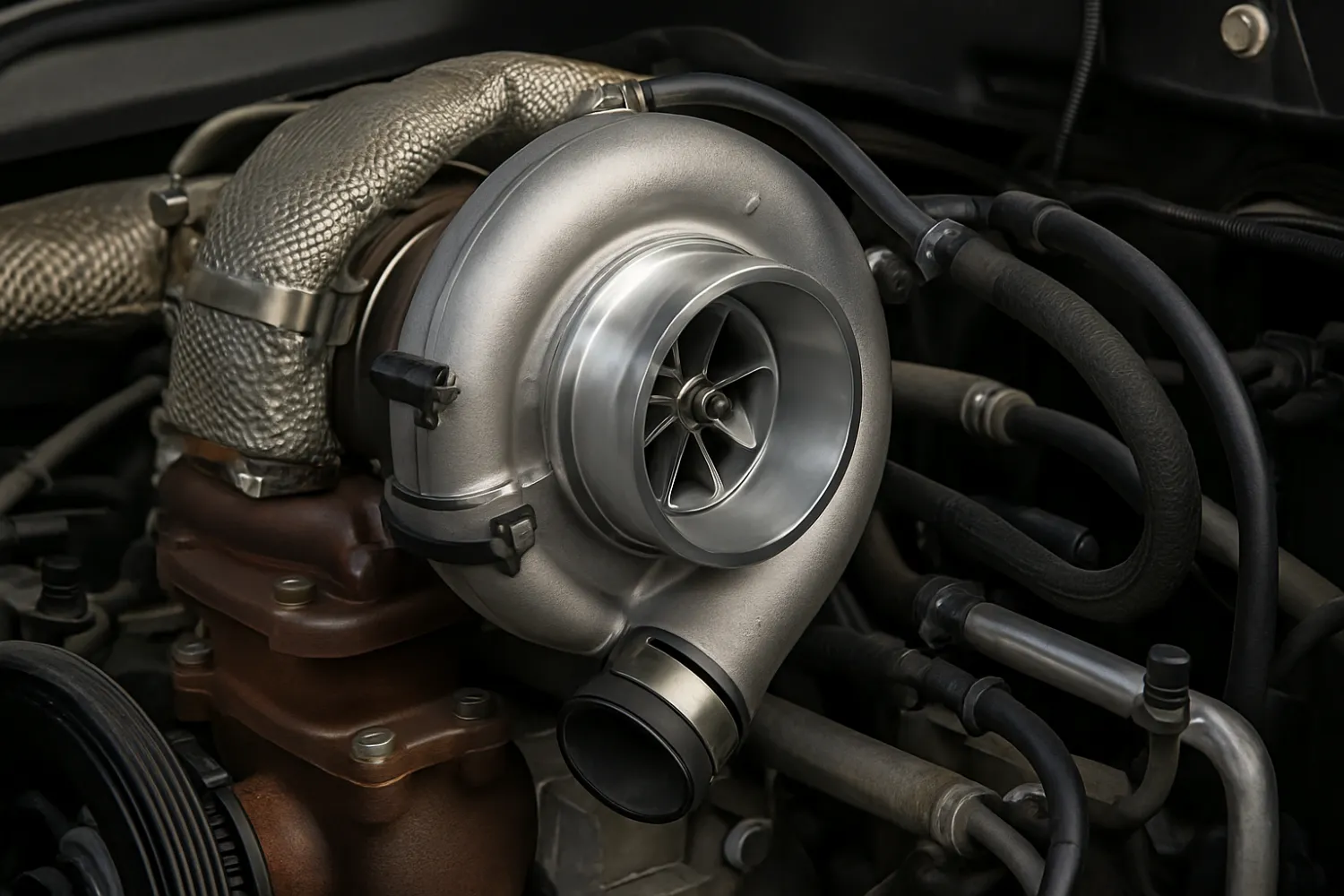
Some engines arrive on the scene with a loud reputation. Others earn it slowly, one trail, one climb, one tough weekend at a time. The 5.0L Cummins inside the Nissan Titan XD falls into the second group a strong, interesting middle-ground diesel that can tow, climb, push, and work without trying to be a 6.7 monster. But talk to enough Titan XD owners, and you eventually hit the same question: Is a 5.0 Cummins delete kit worth it for off-road use? It’s a conversation that heats up fast, especially when you’re pushing this platform well beyond what the factory emissions system was designed to handle.
This guide breaks everything down in plain language how the system works, what a delete kit includes, why off-roaders explore this route, what gains are realistic, and the risks that come along for the ride. No hype. No scare tactics. Just practical insight so you can make a smart decision for your off-road setup.
And yes I’ll share what actually changes when you run a 5.0 Cummins delete kit on terrain where regen cycles and limp modes don’t exactly feel welcome.
Let’s dig in.
I. Why 5.0 Cummins Owners Consider a Delete
The Titan XD is a quirky platform. Not bad just misunderstood. It sits somewhere between a half-ton and a three-quarter ton, which means the 5.0L Cummins is constantly asked to live two lives at once. It wants to tow. It wants to play. It wants to be efficient. And it tries to juggle all of that under the tight grip of emissions components that weren’t designed with long, slow, high-load climbs in mind.
When you’re crawling, slogging, or dragging through terrain, regeneration cycles don’t always cooperate. Temperatures spike. Soot builds. Sensors misread. That’s the reality. So naturally, 5.0 Cummins delete kit conversations grow louder among off-road drivers who crave predictability and cleaner airflow under demanding conditions.
Explosive Diesels was built specifically for people navigating choices like this drivers who push farther than the pavement and need real information, not vague warnings or inflated promises. So let’s get into what a delete kit actually is, and what it isn’t.
II. What a 5.0 Cummins Delete Kit Actually Includes

A 5.0 Cummins delete kit isn’t one universal box. It’s a collection of parts designed to accomplish one goal: remove restrictive emissions components for off-road environments where heat, soot, and load conditions overwhelm the factory systems.
Here’s what most kits include:
Core Components
- DPF delete pipe – replaces the particulate filter, allowing unrestricted exhaust flow.
- EGR block-off plates – prevent exhaust gases from being recirculated into the intake.
- SCR/DEF removal hardware – simplifies the exhaust path and eliminates DEF consumption.
- Sensor plugs or simulators – prevent the ECM from triggering emissions-related fault codes.
- Mounting hardware/clamps – varies significantly in quality depending on the kit.
Budget vs. Mid-Range vs. Premium Kits
Here’s a quick breakdown of how kits differ:
| Tier | Material Quality | Fitment | Longevity | Ideal User |
|---|---|---|---|---|
| Budget | Basic steel, minimal clamps | May require adjustments | Fair | Occasional off-road users |
| Mid-Range | Better steel & welds | Generally solid | Good | Most enthusiasts |
| Premium | Mandrel-bent piping, reinforced welds | Excellent | Excellent | Heavy off-road or towing |
Premium kits aren’t snake oil. Their biggest advantage is durability. Off-road vibration, uneven terrain, and extended heat cycles chew through thin metal surprisingly fast.
Common Add-On Mods
Most Titan XD owners pair a 5.0 Cummins delete kit with:
- A performance tune
- An upgraded exhaust
- A deeper, freer-flowing intake
- Transmission tuning (huge improvement on this platform)
Those additions dramatically shape results, so keep them in mind as we explore performance gains.
III. Why Off-Road Drivers Choose a Delete
Let’s skip the fluff. Here’s why off-road 5.0L Cummins owners explore delete kits.
1. Lower Exhaust Gas Temperatures
Heat kills performance long before horsepower limits show up. Stock emissions systems force the engine into situations where:
- Regens kick in at bad times
- EGTs spike during long climbs
- The turbo works harder than it should
With a 5.0 Cummins delete kit, EGT drops are often immediate and noticeable especially under load.
2. Sharper Throttle Response
Once airflow restrictions are gone and the tune is recalibrated, the engine stops feeling suffocated. Turbo spool improves. Torque shows up earlier. Drivers describe the difference as “the truck finally waking up.”
3. Better Reliability in Harsh Conditions
Off-road is not gentle. The “limp mode lottery” becomes a common joke among Titan XD owners running stock systems. It’s not funny mid-trail.
Deleting removes:
- Soot-related sensor failures
- Heat-induced regen lockouts
- EGR valve sticking issues
Fewer failure points = more consistent off-road days.
4. Lower Long-Term Maintenance Costs
No DEF.
No DPF issues.
No clogged EGR coolers.
It’s a simpler system with fewer demands.
IV. The Downsides and Risks You Should Know
Now we shift into the part most people avoid talking about. A 5.0 Cummins delete kit offers benefits but not without trade-offs. And taking a balanced look is the best way to protect your investment.
Mechanical Considerations
- Exhaust noise increases
- Turbo lag may slightly shift depending on tuning
- Soot residue becomes visible at the tailpipe
- Cheap pipes may warp or leak under heat
The engine breathes better—but it also becomes more raw.
Transmission Strain
Torque spikes are real.
The Titan XD’s Aisin transmission is solid, but not invincible. Proper tuning helps it handle the added punch. Poor tuning? That’s where wear accelerates.
Warranty & Resale
This varies wildly depending on:
- Region
- Dealer policy
- Buyer preference
Some buyers want a deleted truck for off-road use. Others won’t touch one.
Safety Notes
With higher exhaust flow:
- Heat patterns change
- Shielding might need attention
- Routing must be checked regularly
Nothing scary just mechanical awareness.
V. How a Delete Kit Changes Performance
Let’s talk real numbers and real expectations. Not fantasies.
A well-tuned 5.0 Cummins delete kit setup changes the engine’s personality.
Power Gains
Depending on the tune:
- Mild tune: +40–60 hp
- Moderate tune: +70–90 hp
- Aggressive tune: +100+ hp
Torque follows similar jumps.
Fuel Economy
Off-road, drink rates improve when the engine no longer wastes fuel trying to regenerate. Don’t expect miracles, but expect consistency.
Sound Changes
Without a DPF:
- Tone deepens
- Turbo whistle becomes prominent
- Drone might appear with straight pipes
Comparison Table
| Metric | Stock | After 5.0 Cummins Delete Kit |
|---|---|---|
| Peak HP | ~310 | 350–420+ |
| Peak Torque | ~555 lb-ft | 600–650+ lb-ft |
| EGT Under Load | High | Noticeably Lower |
| Regen Cycles | Frequent off-road | None (off-road use only) |
| Exhaust Flow | Restricted | Free-flowing |
VI. Step-By-Step Overview of the Installation

This isn’t a full DIY guide. But if you want to understand the process, here’s the gist.
Tools Needed
- Quality wrench set
- Torque wrench
- Exhaust hanger pliers
- Penetrating oil
- Jack stands or lift
Process Overview
1. Remove the DPF & DEF System
This involves unbolting heat shields, disconnecting sensors, and removing the DPF/SCR assembly as one long unit.
2. Block the EGR Path
Block-off plates stop exhaust from entering the intake.
This alone dramatically improves intake cleanliness over time.
3. Install the Delete Pipe
A mandrel-bent pipe replaces the bulky factory unit.
Fitment quality matters a lot.
4. Upload the Tune
Once the hardware is ready, the truck needs a revised ECM strategy.
Tuning controls:
- Injection timing
- Turbo spool behavior
- Fuel delivery
- Throttle mapping
- Transmission shift strategy
5. Post-Install Checks
- Listen for exhaust leaks
- Monitor boost and EGT
- Watch idle quality
- Take a short, controlled off-road test run
Catch issues early, not on a weekend trip with friends.
VII. Maintenance After Deleting
Deleting does not eliminate maintenance. It shifts it.
Oil Changes
Expect slightly more frequent intervals. Cleaner airflow = different burn characteristics.
Monitor Key Variables
Boost and EGT monitors become your new best friends.
A 5.0 Cummins delete kit setup runs strong but only when watched.
Exhaust Soot Cleanup
Tailpipe soot is normal.
A different chemical profile means cleanup becomes routine.
Tune Revisions
If you add:
- A bigger intake
- A new turbo
- Larger tires
- More towing load
…you’ll likely need a revised tune.
Treat tuning like software it needs updates to stay optimized.
VIII. Common Problems After a Delete (And How to Fix Them)
Problems don’t mean failure. They just mean the system needs adjustment. Here are the usual suspects after installing a 5.0 Cummins delete kit:
1. Check Engine Lights
Most of the time, this is:
- Incorrect tune version
- A sensor that wasn’t simulated properly
2. Boost Spikes
Usually caused by:
- Faulty clamps
- Leaks
- Aggressive tuning strategies
3. Rattles or Vibrations
Common with cheap pipes lacking proper support brackets.
4. Throttle Hesitation
Often fixed by adjusting injection timing or torque tables in the tune.
5. Exhaust Leaks
Low-grade clamps or poor welds create expansion problems under heat cycles.
A solid shop or a sharp enthusiast can dial these in quickly.
IX. Is a 5.0 Cummins Delete Kit Worth It?
This is where the real decision gets made.
Best For:
- Off-road drivers who need predictable power
- Titan XD owners tired of limp-mode surprises
- Heavy haulers on private land or closed courses
- Drivers who want cooler EGTs and stronger throttle response
Not Ideal For:
- Those wanting whisper-quiet operation
- Drivers who depend heavily on dealer networks
- Anyone worried about resale to buyers wanting a stock truck
The Value Breakdown
| Category | Benefit Level |
|---|---|
| Performance | High |
| Reliability (off-road) | High |
| Maintenance Reduction | Moderate–High |
| Up-Front Cost | Moderate |
| Complexity | Medium |
| Learning Curve | Moderate |
If you want a calmer, cooler, more responsive Titan XD when the pavement ends, a 5.0 Cummins delete kit delivers exactly that. Not magically. Not instantly. But predictably and consistently when matched with a proper tune.
X. The Explosive Diesels Takeaway
The 5.0L Cummins is an engine with potential untapped potential in many cases. When used strictly in off-road environments, a well-built 5.0 Cummins delete kit transforms the Titan XD from a slightly confused middleweight into a confident, predictable performer.
The key:
Quality parts.
Quality tuning.
Quality monitoring.
If those three pieces line up, the entire platform tightens up and responds like it always should have.
Off-roaders deserve engines that behave consistently, breathe clearly, and keep power on tap when the terrain gets unpredictable. With the right setup, the Titan XD finally becomes that engine.
Moderate Off-Road Disclaimer (Explosive Diesels Standard)
Deleting or modifying emissions equipment is for off-road, race, or closed-course use only. This article discusses modifications strictly within that context. Always follow local laws and regulations.
FAQs
A typical kit includes a DPF delete pipe, EGR block-off plates, DEF/SCR removal hardware, and sensor plugs or simulators. Some kits also include upgraded clamps or mounting brackets.
Yes deleting often reduces EGTs, sharpens throttle response, and removes regen-related interruptions that limit performance off-road.
Absolutely. A proper tune recalibrates fueling, turbo control, and sensor behavior so the engine runs safely and efficiently after the delete.
Most drivers see gains between 40 and 100+ horsepower depending on the tune and supporting mods.
Yes, for off-road use it eliminates DPF, EGR, and DEF-related problems, which are common maintenance points on the Titan XD.
Expect increased exhaust noise, visible soot at the tailpipe, and the need for careful monitoring of boost and EGT levels.
It can if the engine produces more torque than the stock shift strategy can handle transmission tuning helps prevent excess strain.
Definitely. Oil changes, boost checks, and tuning updates are still essential for long-term reliability.
It may if the tune isn’t configured correctly or if sensors aren’t simulated properly, but a proper calibration resolves this.
It’s most beneficial for off-road drivers needing consistent performance and lower EGTs, but less ideal for those wanting quiet operation or dealer-supported service.