
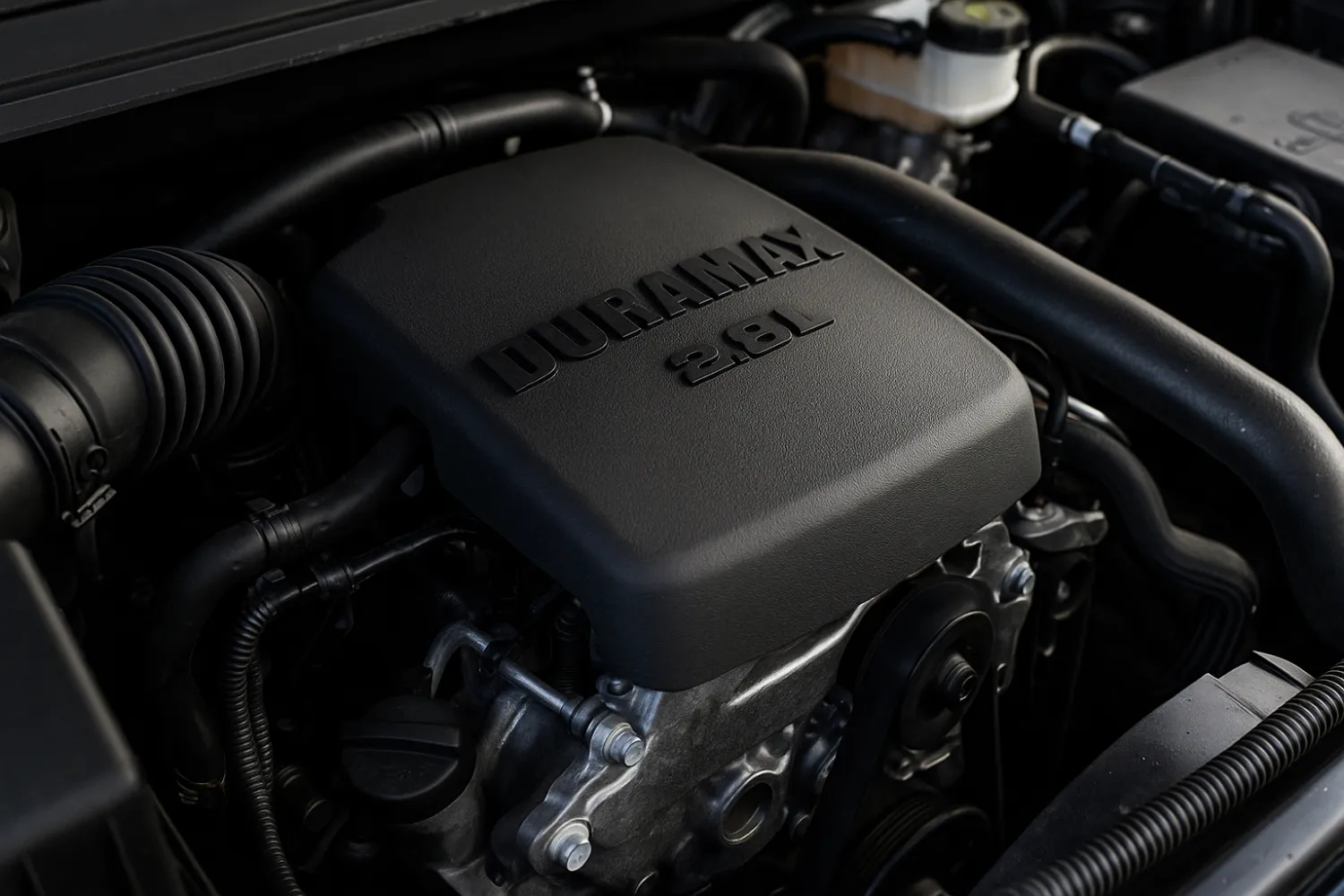
The 2.8 Duramax engine doesn’t just “perform.” It works. It pulls, crawls, climbs, and powers through terrain with the calm confidence only a modern diesel can deliver. But when you push the truck into real off-road territory long climbs, deep mud, slow crawling, dusty heat the factory emissions systems can start holding the platform back. That’s where a 2.8 Duramax delete kit enters the conversation. And no, we’re not talking about a street-driven solution. We’re talking purely off-road, competition, remote-terrain performance where reliability becomes the difference between finishing a trail and getting stranded halfway up a ridge.
This guide breaks through the noise and shows you exactly what a delete kit does, why off-road builders use it, what it costs, how tuning works, and what to expect once the emissions baggage is gone. Welcome to Explosive Diesels where off-road torque, trail reliability, and real performance matter more than anything else.
I. Why the 2.8 Duramax Dominates the Off-Road Diesel Scene
The 2.8L Duramax found in the Chevy Colorado and GMC Canyon is one of the most capable mid-size diesel platforms ever sold in North America. It’s compact. Efficient. Surprisingly torquey. And extremely well-behaved on technical trails. The problem? The emissions systems designed for highway commuters aren’t always friendly to remote, low-speed environments.
Off-road drivers experience:
- Regens triggering at the worst time
- Soot buildup during slow crawling
- EGR deposits restricting airflow
- Turbo heat stacking during long climbs
- Limp-mode surprises caused by sensor faults
None of these issues reflect a poorly designed engine. They reflect an engine built for highway emissions standards not slow, high-load terrain where regens fail and airflow becomes a battle.
That’s why so many serious off-roaders look at the 2.8 Duramax delete kit as a performance upgrade, not a cosmetic one. It’s about control, reliability, and eliminating systems that simply weren’t built for this type of environment.
II. What’s Actually Included in a 2.8 Duramax Delete Kit
A delete kit isn’t one single product. It’s a set of components working together to remove or bypass restrictors so the truck can run safely and consistently in off-road conditions.
Here’s a clean breakdown:
| Component | Purpose |
|---|---|
| DPF delete pipe | Replaces the factory diesel particulate filter; improves flow and power. |
| EGR block-off plates or EGR delete kit | Prevents hot exhaust gases from entering intake; reduces soot. |
| SCR/DEF system removal | Eliminates DEF usage and potential system failures. |
| Exhaust components | Optional high-flow tubing to reduce backpressure. |
| Off-road tuning file | Required to recalibrate engine and prevent limp mode. |
A complete 2.8 Duramax delete kit doesn’t just “remove things.” It creates a new airflow and tuning ecosystem where the engine finally breathes and responds the way off-road diesel drivers expect.
III. Why Off-Road Drivers Delete Emissions Equipment

Let’s break down the real reasons not the internet myths why deleting emissions systems matters once the truck leaves paved roads.
1. DPF Regeneration Fails on Trails
Regens require:
- Long, steady driving
- Heat
- Consistent load
Crawling over rocks at 4 MPH? Not ideal. So the filter eventually clogs, the truck forces a regen, and you get stuck in a smoky, powerless, limp-mode disaster.
2. EGR Soot Buildup Is a Reliability Killer
Slow-speed driving produces high soot density. The EGR system recirculates that soot into the intake, coating everything in sticky black tar.
Over time:
- Airflow drops
- MPG falls
- Turbo spools slower
- Power nosedives
Removing it keeps the air charge clean.
3. Off-Road Environments Are Hard on DEF/SCR Systems
High vibration + moisture + dust = sensor chaos.
And when a SCR component fails?
The truck derates itself to protect emissions hardware which you aren’t even using off-road.
4. Heat Management Becomes Easier
Deleting reduces:
- Exhaust gas temperatures
- Turbocharger stress
- Coolant heat saturation
Meaning the truck pulls harder, longer, without feeling like it’s melting internally.
IV. Performance Gains After Installing a 2.8 Duramax Delete Kit
Deleting emissions systems doesn’t magically turn your Duramax into a trophy truck. But it does unlock power the engine already wanted to make.
Here’s what most off-road setups see:
| Upgrade | Expected Improvement |
|---|---|
| Horsepower | +20–35 HP |
| Torque | +40–70 lb-ft |
| Response Time | Noticeably quicker turbo spool |
| EGTs | Drop by 75–200°F during climbs |
| Fuel Economy (off-road) | +1–3 MPG depending on load |
The biggest change isn’t the number on a dyno.
It’s the feel. The throttle snaps. The turbo bites earlier. The engine breathes freely instead of fighting itself.
Once you’ve run a properly tuned off-road 2.8 Duramax delete kit, it becomes nearly impossible to go back.
V. The Tuning Side: Where the Real Magic Happens
Deleting hardware without tuning? Impossible. The engine depends on sensors that no longer exist. That’s why off-road tuning is the core of the entire upgrade.
A proper tune handles:
- EGR disablement
- DPF system removal
- DEF system bypass
- Turbo timing adjustments
- Fuel mapping corrections
- Limp-mode prevention
- Throttle response refinement
You’ll choose between:
- EFI Live (most common)
- HP Tuners
- MM3 platform
- Flash devices with preloaded off-road tunes
What Makes a Good Off-Road Tune?
- Clean power delivery
- Stable idle (even with weight or larger tires)
- Heat reduction
- Controlled fuel pressure
- Fixed regen requests
- Predictable turbo behavior
If the tuner can’t explain their approach to airflow, fuel maps, and turbo logic?
Walk away. Poor tuning burns pistons, over fuels injectors, and kills turbos. Good tuning makes the 2.8 Duramax feel like it was meant to be unleashed.
VI. Reliability Improvements After Deleting
Many off-road drivers turn to a 2.8 Duramax delete kit not for power but for sheer reliability. When emissions-related faults disappear, the truck becomes shockingly stable on long, remote trips.
Key Reliability Wins:
- No more forced regens mid-trail
- No more clogged DPF shutdowns
- No more DEF consumption or injector issues
- No more EGR valve failures
- Fewer intake and turbo soot deposits
- Lower operating temps under sustained load
- Drastically reduced sensor-triggered limp modes
Nothing tanks an off-road weekend faster than limp mode. And nothing prevents limp mode more effectively than removing the systems that cause it.
VII. Risks and Downsides You Should Be Aware Of
Deleting emissions systems is a serious modification, even for off-road vehicles.
Key Risks:
- Cannot be used legally on public roads
- Warranty voiding
- Poor tuning can damage the engine
- Inexpensive delete pipes may crack under vibration
- Cabin fumes if exhaust routing isn’t done correctly
- Potential resale value impact
None of these are deal-breakers for serious off-road builders. But they are critical to acknowledge. Delete kits require thoughtful installation, proper tuning, and responsible use.
VIII. Cost Breakdown: What You Should Budget For
Here’s a realistic cost breakdown for a complete off-road-ready delete setup:
| Component | Typical Cost |
|---|---|
| DPF/SCR delete pipe | $200–$450 |
| EGR delete or block-off kit | $150–$300 |
| Off-road tuning | $350–$1,200 |
| Optional exhaust system | $300–$800 |
| Labor (if not DIY) | $300–$900 |
Total Off-Road Investment:
$1,000 – $2,500 depending on setup, tuner, and materials.
High-quality tuning and hardware matter here. The cheapest option is rarely the best one.
IX. Off-Road Supporting Mods That Pair Perfectly with a Delete Kit
A 2.8 Duramax delete kit lays the foundation. But pairing it with smart supporting upgrades creates a seriously capable platform.
Recommended Add-Ons:
- Upgraded intercooler
Reduces heat saturation during long ascents. - High-flow exhaust
Improves turbo efficiency. - Performance intake
Reduces restriction at higher RPM. - Turbo inlet pipe
Smooths airflow; improves spool. - Catch can system
Keeps oil vapor out of the intake and intercooler. - Transmission tune
Sharper shifts and better torque management. - Re-gearing
Critical if you’re running 33s, 35s, or heavy overland setups.
With the right combination, the 2.8 Duramax becomes a beast—controlled, dependable, and built to take abuse.
X. Installation Overview: What the Process Looks Like
This isn’t a step-by-step wrenching guide, but here’s the practical high-level flow so you know what to expect:
1. Prep the Truck
- Disconnect batteries
- Raise the vehicle
- Remove skid plates if needed
2. Remove the DPF/SCR System
- Unbolt factory exhaust
- Disconnect sensors
- Install delete pipe
3. Disable or Remove the EGR System
- Install block-off plates
- Remove coolant connectors if required
- Cap or reroute hoses
4. Flash the Off-Road Tune
- Use proper tuning platform
- Verify tune loads cleanly
- Clear old regen data
5. Inspect, Test, Validate
- Check for exhaust leaks
- Monitor temps
- Run light throttle tests
- Confirm stable idle and turbo behavior
A clean install runs quiet, steady, and strong.
A sloppy install announces itself quickly.
XI. Long-Term Maintenance After Deleting
Once emissions systems are removed, maintenance becomes simpler but also more important in specific areas.
Key Maintenance Priorities:
- Oil changes become even more essential
- Fuel filters should be replaced regularly
- EGTs should be monitored during heavy climbs
- Turbo cooldown habits matter more
- Air filter cleanliness affects performance significantly
- Charge pipes and boots should be inspected for leaks
What You No Longer Deal With:
- DEF refills
- DPF regens
- DPF clogging
- EGR carbon buildup
- SCR system faults
The truck becomes less fussy. Less temperamental. More predictable.
XII. Myths About 2.8 Duramax Delete Kits
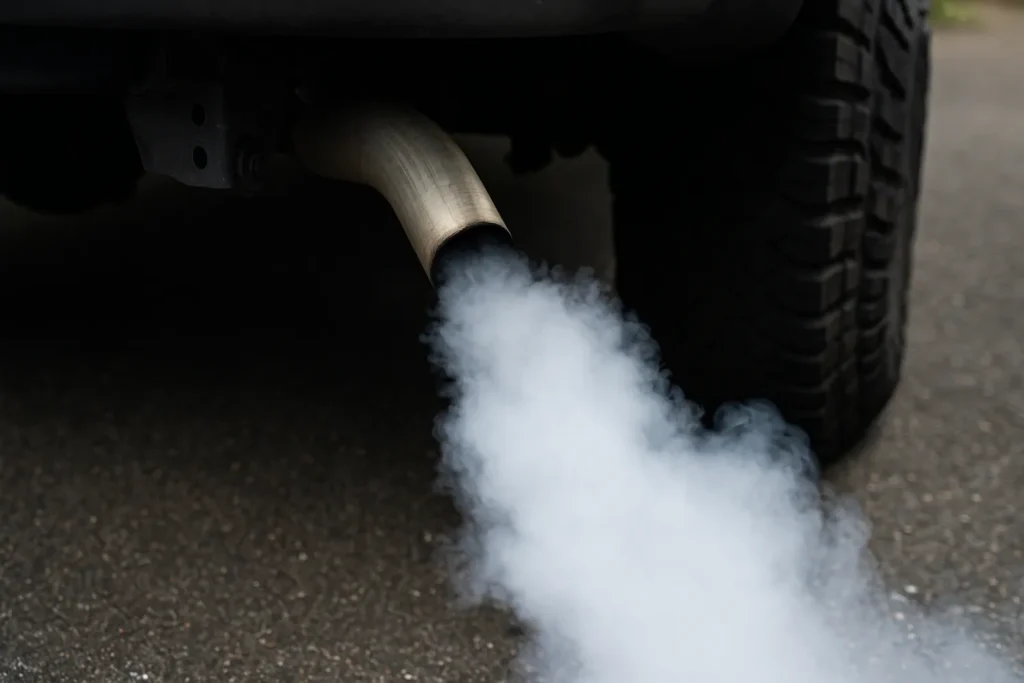
Let’s cut through the nonsense.
Myth 1: “Deleting always improves MPG by huge numbers.”
Realistic gains are minor off-road. Don’t expect miracles.
Myth 2: “Any tune works fine.”
Bad tuning ruins engines. Always choose a reputable off-road tuner.
Myth 3: “Deletes fix every Duramax issue.”
They improve reliability, but they don’t solve poor fuel quality or mechanical wear.
Myth 4: “Deleting is cheap.”
Quality deletes cost money. Cheap deletes cost engines.
Myth 5: “No tuning is required.”
False. Tuning is the heart of the entire kit.
Clarity matters more than hype. That’s always been the Explosive Diesels way.
XIII. Is a 2.8 Duramax Delete Kit Right for Your Off-Road Build?
If your truck spends most of its life on trails, backroads, or remote terrain, then a 2.8 Duramax delete kit can dramatically enhance performance and reliability.
It’s ideal for:
- Overland rigs
- Expedition trucks
- Rock crawlers
- Desert runners
- Remote work vehicles
- Trail machines with heavy gear
It’s not ideal for:
- Street-only vehicles
- Trucks still under factory warranty
- Owners unwilling to maintain their engine proactively
A delete kit is a commitment. A shift toward a more rugged philosophy. And for off-road drivers, it often becomes the most transformative upgrade they’ll ever make.
XIV. Off-Road Alternatives to Full Deletes
Maybe your truck isn’t ready for a full delete kit. That’s fine. There are still excellent off-road upgrades that boost performance legally and safely.
Strong Alternatives:
- Intercooler upgrades
- Less restrictive intake systems
- Transmission tuning
- High-flow turbo inlet pipes
- Exhaust upgrades
- Cooling system enhancements
These upgrades improve responsiveness, airflow, and temperature management—even with emissions equipment intact.
XV. Final Thoughts: Unleashing the 2.8 Duramax the Right Way
A properly tuned off-road 2.8 Duramax delete kit doesn’t just add horsepower. It transforms the truck’s personality. The engine breathes deeper. The turbo wakes up earlier. The truck pulls with confidence instead of hesitation. And the reliability gains during long, punishing off-road adventures? Massive. But this upgrade requires responsibility, smart tuning, and an understanding that it is strictly for off-road environments. When done right, it elevates the 2.8 Duramax from “capable” to unshakable.
That’s how we approach performance here at Explosive Diesels. Purpose-built. Trail-proven. No fluff just results.
If you’re building a truck that needs to survive mountains, deserts, mud, and everything in between, then the 2.8 Duramax might be the perfect platform. And a well-executed delete kit might just be the upgrade that unlocks its full off-road potential.
FAQs
A 2.8 Duramax delete kit removes emissions components like the DPF, EGR, and SCR systems while using tuning to recalibrate the engine for off-road use.
Yes most off-road setups gain around 20–35 HP and 40–70 lb-ft of torque with proper tuning.
Absolutely. The truck will not run correctly without off-road tuning that disables regen cycles and recalibrates fuel and airflow logic.
Yes, since many limp-mode triggers come from emissions-related failures that no longer exist once the system is removed.
No, delete kits are strictly for closed-course and off-road environments, not public road use.
Most off-road builds range from $1,000–$2,500 depending on parts, tuning, and installation choices.
Yes, removing the DPF eliminates regen entirely, preventing failed regens during slow-speed trail driving.
Slightly—off-road users often see 1–3 MPG improvements due to reduced restriction and cleaner combustion.
Regular oil changes, fuel filter replacements, and monitoring of EGTs and turbo health are still essential.
Yes, bad tuning can cause excessive fuel pressure, high EGTs, or piston damage, so using a reputable tuner is critical.