
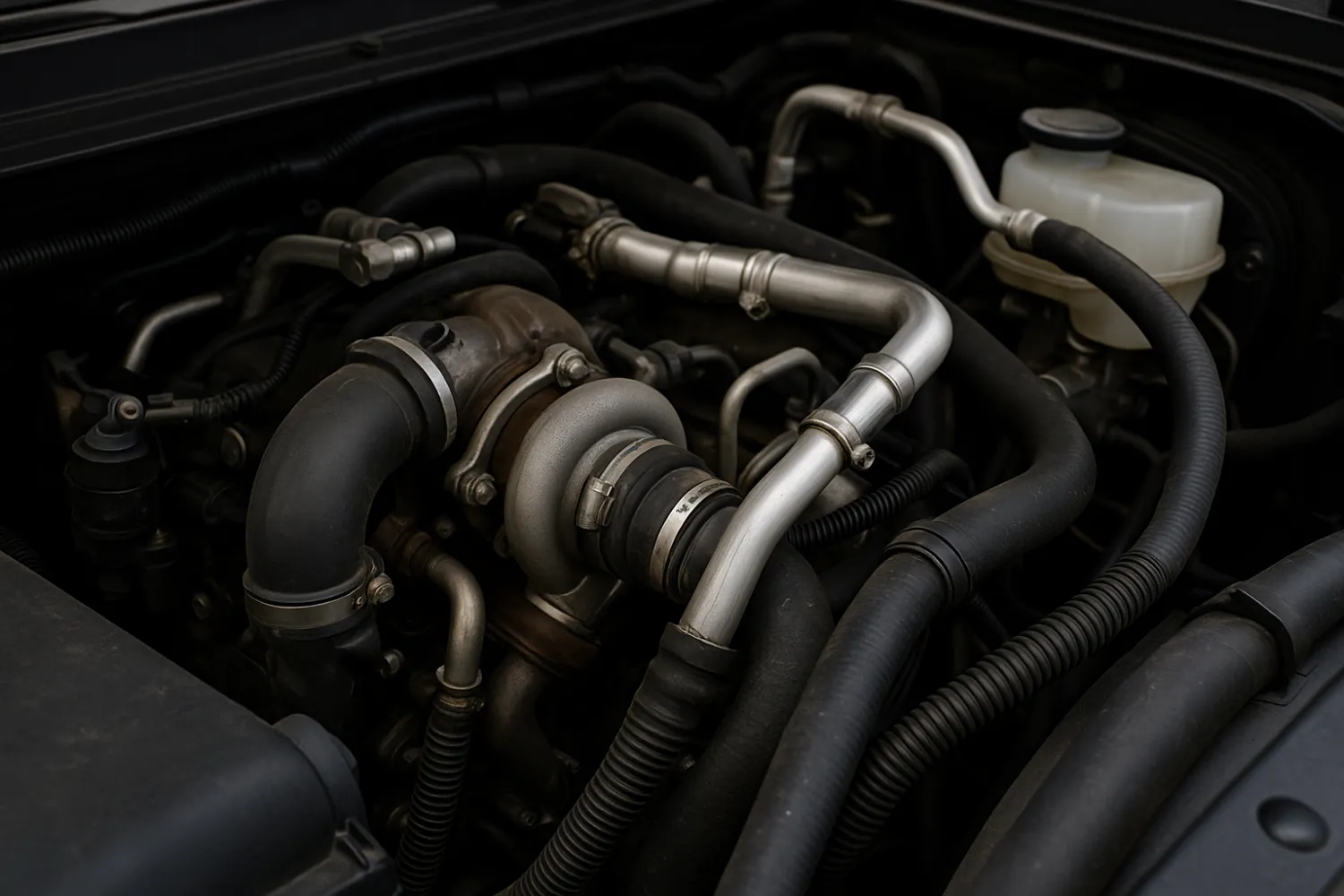
When you spend enough time behind the wheel of a Colorado or Canyon with the 2.8L Duramax, you quickly learn what this little diesel is capable of. Sharp low-end torque. Impressive efficiency. A surprisingly tough attitude for a mid-sizer. But you also learn its weaknesses especially once soot, heat, and inconsistent airflow start chipping away at the fun. That’s usually when off-road builders begin researching the 2.8 Duramax EGR delete kit, not because they want a magic upgrade, but because they’re tired of fighting a system that holds the engine back in demanding terrain. And if you use the truck strictly for off-road or competition scenarios, an EGR delete becomes one of the most interesting topics worth understanding in depth.
This guide breaks everything down clearly, with no fluff, no jargon, and no half-baked claims. Just real-world explanations and actionable insight from the Explosive Diesels perspective.
I. Why Off-Road Builders Obsess Over the 2.8 Duramax Platform
Some engines are built for daily driving. Others are designed to be pushed. The 2.8 Duramax fits somewhere in the middle lightweight enough for efficiency, strong enough for weekend abuse, and surprisingly adaptable to off-road builds.
But the EGR system creates a bottleneck. It recirculates exhaust gases back into the intake to reduce NOx emissions, which helps manufacturers satisfy regulations but introduces side effects: heat, soot, and inconsistent airflow. When you’re crawling on rocky terrain or hammering through sand, you feel those restrictions immediately.
That’s why many off-road owners start searching for a 2.8 Duramax EGR delete kit. They want consistency. They want crisp throttle response. And they want an engine that isn’t suffocating on its own exhaust.
II. How the EGR System Actually Works on the 2.8 Duramax
Let’s simplify the engineering without dumbing it down.
The Exhaust Gas Recirculation (EGR) system:
- Pulls exhaust gases from the manifold
- Routes them through an EGR cooler
- Uses the EGR valve to regulate recirculation
- Feeds the cooled gases back into the intake track
This lowers combustion temperatures and reduces emissions. On paper, it looks elegant.
But in the real world especially the rough, dusty, stop-and-go world of off-roading the drawbacks compound fast:
- Soot accumulates in the intake
- Airflow becomes turbulent instead of smooth
- Turbo efficiency drops
- Throttle response gets muddy
The 2.8’s smaller displacement and tighter airflow pathways make it particularly sensitive to this buildup. Over time, the engine feels like it’s breathing through a straw.
III. Common Issues Caused by the Stock EGR Setup
Here’s what off-road drivers repeatedly report, and what we’ve seen echoed across builds (even low-mileage trucks):
1. Carbon Buildup in the Intake Manifold
Thick soot deposits restrict airflow and disrupt the smooth intake pattern the 2.8 Duramax relies on for efficiency and low-end torque.
2. Sluggish Throttle Response
You hit the pedal. The truck hesitates. That delay is often airflow conflict combined with inconsistent sensor readings caused by soot.
3. Higher Coolant Temperatures
The EGR cooler becomes a hotspot. Under load especially climbing or towing extra heat moves straight into the cooling system.
4. Turbo Efficiency Loss
Turbos thrive on clean air. The more soot introduced upstream, the more the compressor fights to maintain target boost.
5. Off-Road Performance Inconsistency
Bogging in mud, hesitation on climbs, or sluggish recovery after shifts these symptoms show up again and again.
Thousands of drivers eventually conclude the EGR system works against them in off-road environments, which is why many explore a 2.8 Duramax EGR delete kit for competition-only builds.
IV. What an EGR Delete Kit Does (For Off-Road Use Only)
A 2.8 Duramax EGR delete kit accomplishes one primary engineering objective:
It removes exhaust gas recirculation from the intake system.
A typical kit includes:
- Block-off plates
- Coolant reroute fittings
- Hardware
- Optional intake plugs or manifold plates
When installed (again—off-road or competition use only), the system:
- Stops the intake from sucking in soot
- Eliminates EGR-related heat from the coolant path
- Restores a smoother, cleaner airflow track
- Prevents the EGR valve from sticking or failing
The result isn’t dramatic horsepower. Instead, it’s something better: predictability.
An engine that reacts when you expect it to.
Explosive Diesels emphasizes compliance: all information here is purely educational and relevant only for off-road or closed-course use.
V. The Real Performance Gains You’ll Actually Feel
Forget the exaggerated claims you see on forums. Let’s talk real, testable, repeatable benefits.
1. Sharper, More Consistent Throttle Response
Without exhaust gas recirculation, airflow becomes steady. That means the engine reacts faster when you stab the pedal on a climb or while crawling.
2. Lower Exhaust Gas Temperatures (EGTs)
Less soot and less recirculated heat means EGTs drop under load. Even a 75–150°F reduction during heavy climbing isn’t unusual.
3. Cleaner Intake Tract
With soot removed from the equation, the intake stays cleaner for far longer. Maintenance intervals stretch out, and performance remains stable.
4. Potential Fuel Savings
Count on modest improvements—typically 1–2 mpg in off-road or mixed conditions. Nothing insane, but noticeable over long trail runs.
5. Reduced Turbo Lag
Clean air moves predictably through the compressor housing. This often leads to smoother boost onset.
Here’s a simple summary table:
| Benefit | Explanation |
|---|---|
| Faster throttle response | No exhaust gases to disrupt airflow |
| Lower EGTs | Reduced heat load during long climbs |
| Cleaner intake | Less soot buildup over time |
| Slight MPG gains | Improved airflow efficiency |
| Better turbo response | Cleaner air improves compressor behavior |
On competition trucks, these advantages stack up quickly. That’s why builders keep installing the 2.8 Duramax EGR delete kit on dedicated off-road rigs.
VI. What the EGR Delete Will Not Do
A quick reality check because clarity matters.
A 2.8 Duramax EGR delete kit will not magically:
- Add huge horsepower
- Fix unrelated engine issues
- Replace proper tuning
- Reduce maintenance requirements
- Repair injector or turbo problems
It’s a tool, not a cure-all. In off-road environments, though, it addresses one very real bottleneck in the system.
VII. Supporting Mods You Should Plan For
To avoid issues and prevent CELs, you need supporting upgrades. Here’s what off-road builders unanimously recommend.
A. A Proper Tune
This is the non-negotiable step. Without recalibration, the ECU sees a missing EGR flow and triggers limp mode.
A tune accomplishes:
- CEL removal
- Corrected airflow logic
- Optimized boost response
- More stable fueling
Without tuning, the truck will not accept the delete.
B. Optional Exhaust System Changes
Some off-roaders pair the EGR delete with additional exhaust modifications. This depends on your intended use and compliance requirements.
C. Temperature Monitoring Tools
Even with lower EGTs, monitoring helps you prevent engine strain.
Useful tools:
- EGT gauge
- Boost gauge
- Coolant temperature monitoring
These support long-term reliability.
VIII. Risks and Downsides You Need to Understand
No modification is perfect. Here are the realistic drawbacks of using a 2.8 Duramax EGR delete kit on competition vehicles.
1. It Can Void Warranties
Any emissions-related modification triggers warranty complications.
2. Installation Mistakes Cause Problems
We’ve seen issues such as:
- Coolant leaks
- Improper block-off plate sealing
- CELs from incomplete tuning
- Overheating from incorrect coolant reroute
3. Cheap Kits Cause Headaches
Low-quality kits use poor welds, thin CNC plates, and unreliable fittings. Stick to reputable brands.
4. Environmental and Regulatory Constraints
This is crucial:
EGR deletes are not legal for on-road vehicles.
Explosive Diesels encourages full compliance with all emissions laws.
IX. Cost Breakdown: What You Should Expect to Spend
Here is a realistic price overview:
| Component | Typical Cost Range |
|---|---|
| EGR delete kit | $120 – $350 |
| Professional installation | $250 – $600 |
| Required tuning | $350 – $900 |
| Additional hoses/gaskets | $25 – $80 |
Running the numbers, an off-road build incorporating a 2.8 Duramax EGR delete kit usually lands between $700 and $1,800 depending on tuning and labor.
But the long-term payoff cleaner airflow, lower temps, more consistency makes it worthwhile for off-road competition trucks.
X. Installation Overview (Not Step-by-Step)
Here is what shops typically do.
1. Remove EGR Valve and Cooler
This includes pulling:
- Pipes
- Coolant lines
- Mounting hardware
2. Install Block-Off Plates
Precision matters. A poor seal means leaks or CELs.
3. Reroute Coolant
This is one of the most important steps. A proper kit includes fitted reroute components to prevent air pockets.
4. Install Tune
Without a tune, the truck cannot function properly after the delete.
5. Perform Final Checks
Coolant pressure test.
Boost leak check.
Idle stability.
A short off-road run to verify temps and throttle response.
XI. How to Choose the Right EGR Delete Kit
When selecting a 2.8 Duramax EGR delete kit, focus on quality not marketing.
Key Features to Look For
- CNC-cut plates
- Stainless or billet aluminum
- Clean welds
- Leak-resistant coolant reroute design
- Complete hardware set
- Clear installation documentation
Red Flags
- No brand name
- Incomplete kits
- Thin, poorly machined plates
- Cheap hoses that collapse under heat
A good delete kit should feel engineered, not thrown together.
XII. Maintenance After Deleting the EGR

Your maintenance rhythm changes slightly but in a good way.
1. Oil Changes
Still essential. Clean oil protects the turbo and bearings. Stick to consistent intervals.
2. Intake Cleaning
You’ll need this far less often, but don’t skip it entirely.
3. Monitor Temperatures
Even though temps tend to drop, monitoring catches early warning signs of deeper issues.
4. Check All Fittings Monthly
Especially after aggressive off-road use.
XIII. Realistic Expectations on the Trail
Here’s what off-road builders repeatedly experience after installing a 2.8 Duramax EGR delete kit:
- Quicker engine response when climbing
- More stable low-end torque
- Lower temps on long inclines
- Less hesitation in deep mud
- Smoother transitions between gears
- A more predictable throttle feel
Does it turn the 2.8 into a monster truck? No.
Does it make it more consistent and trail-ready? Absolutely.
XIV. Who Should Consider the Delete?
A 2.8 Duramax EGR delete kit is ideal for off-road diesel owners who:
- Want more predictable power
- Push their trucks in hot or dusty environments
- Are tired of intake cleaning
- Need lower EGTs for towing or competition
- Regularly run trails that strain the cooling system
It is not a good fit for on-road use. Compliance is non-negotiable.
XV. Explosive Diesels Disclaimer
All content in this article is for educational and off-road/competition use only.
EGR delete kits are not legal for on-road vehicles in the United States and many other regions. Always comply with all federal, state, and local laws. Explosive Diesels does not encourage illegal tampering with emissions systems.
FAQs
It removes the EGR system from the engine’s airflow path to reduce soot buildup and improve off-road airflow efficiency.
No, EGR deletes are not legal for on-road vehicles and are intended only for off-road or competition use.
Yes, the ECU must be recalibrated to prevent check engine lights and ensure proper airflow logic.
Not significantly; the main benefits are better throttle response, lower temps, and cleaner airflow.
Yes, emissions-related modifications often impact manufacturer warranties.
Most drivers experience faster throttle response, lower EGTs, and smoother low-end torque delivery.
A small improvement is possible due to reduced exhaust recirculation and cleaner airflow.
Low-quality kits may leak, warp, or cause coolant issues due to thin materials and poor fitment.
Most shops complete the install in 2–4 hours depending on experience and tools.
Yes, but far less frequently because soot is no longer fed into the intake tract.