
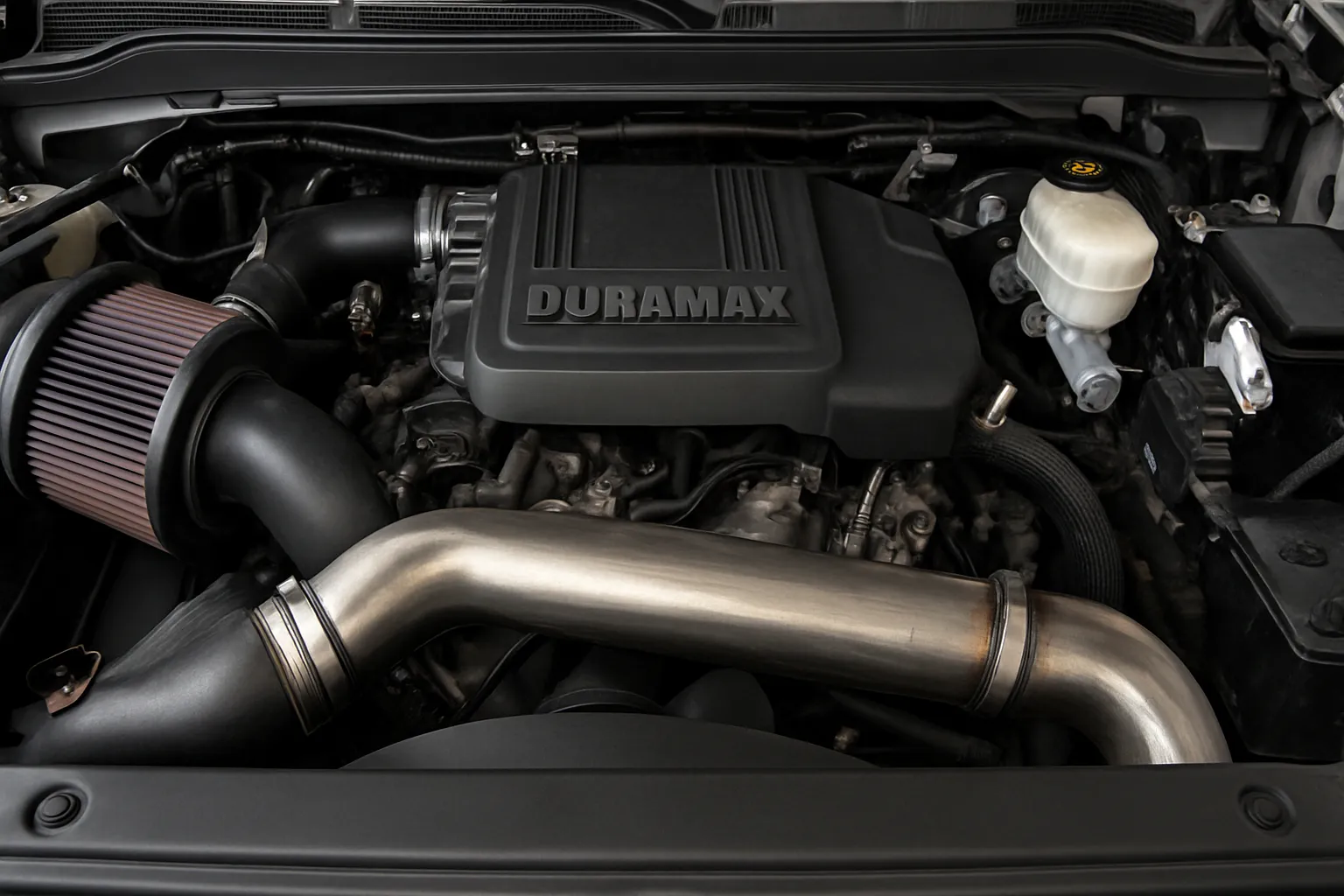
The L5P Duramax is an incredible platform—strong, fast, tightly engineered, and capable of jaw-dropping power with the right setup. Yet for off-road enthusiasts chasing cooler EGTs, simpler exhaust flow, and a more responsive feel, the conversation inevitably turns toward the L5P delete kit. It sparks debate. It raises eyebrows. And it demands clarity. And that’s exactly what this deep-dive article is here for!
Before we go further, let me be absolutely direct: deleting emissions systems on a vehicle used on public roads is illegal in the U.S. and many other countries. This article discusses deletes within the strict context of off-road, closed-course, and competition-only usage—which is the only environment where such modifications can legally exist.
Because we’re dedicated to helping you squeeze real performance, efficiency, and reliability from your off-road builds, this guide gets into the very real engineering, decision-making, and practical knowledge behind these systems.
Let’s dive in—professionally, clearly, and without fluff.
What Is an L5P Delete Kit? A Clear, No-Nonsense Breakdown
The L5P Duramax (2017–present) is a powerhouse, but it comes bundled with one of the most complex emissions systems ever installed on a light-duty diesel. For off-roaders who want maximum airflow and simplified systems, the phrase L5P delete kit refers to a group of parts—paired with tuning—that disables and replaces emissions components only for competition or off-road use.
A typical setup may involve:
- DPF/SCR replacement pipe
- EGR block-off kit
- Custom off-road tuning (requires ECU unlock)
- Optional DEF tank removal components
- Sensor plugs, brackets, or reroute hardware
Each part exists for a reason. The DPF creates backpressure. The SCR system depends on DEF injection. The EGR feeds exhaust gases back into the intake stream. And the ECU is calibrated to monitor all of it.
Remove one system, and the truck panics—unless tuning recalibrates the logic.
That’s the heart of a complete L5P delete kit: hardware + software working together for a stable off-road configuration.
Why Off-Road Enthusiasts Consider the Modification
Some trucks growl. Some trucks roar. The L5P—once unrestricted—can sound like a whole different animal.
But sound alone isn’t why off-road builders consider a delete setup. Let’s go through the real drivers.
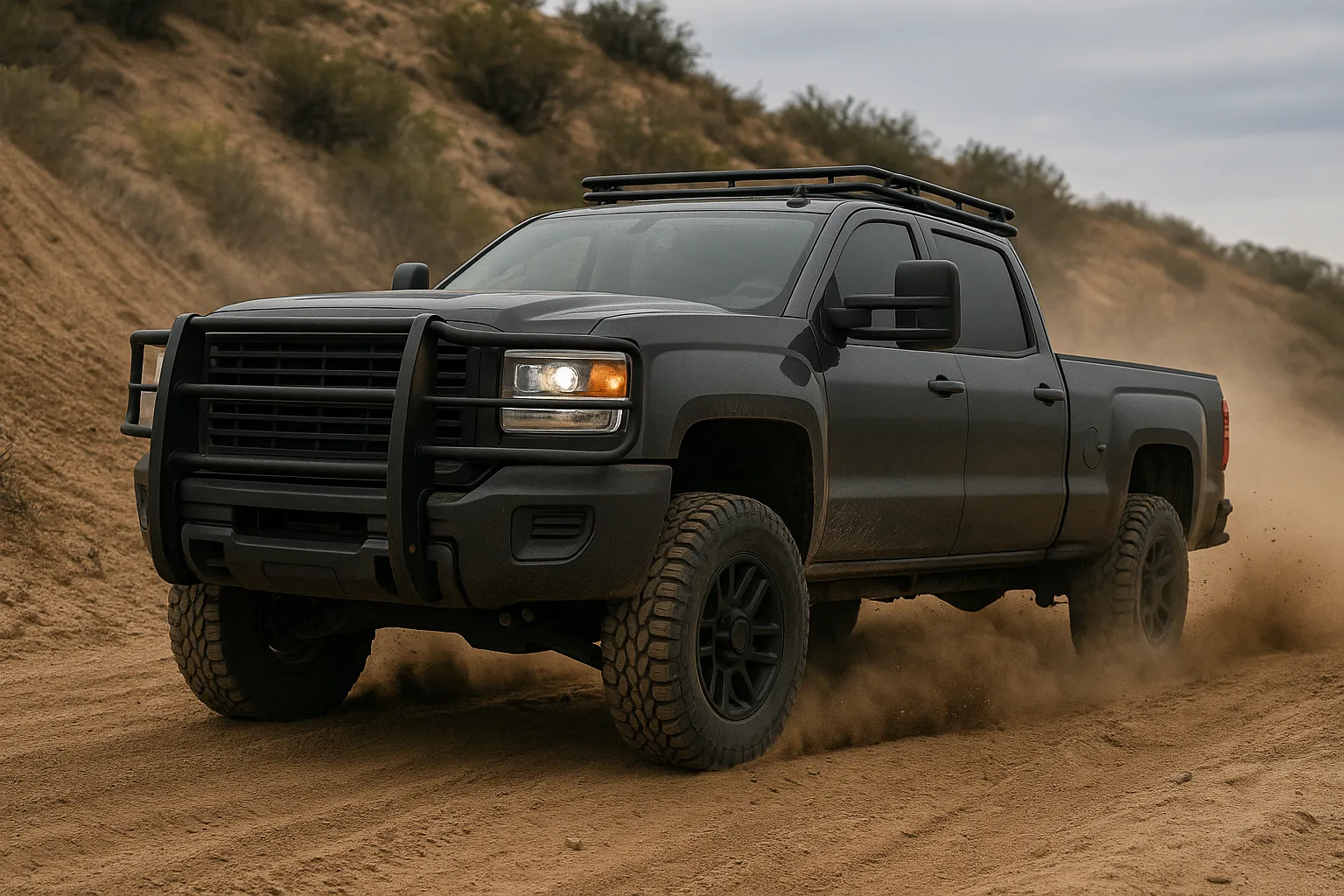
1. Significant Off-Road Power Gains
The L5P responds aggressively when exhaust restrictions are removed in a competition setting. Off-road tuners often see:
- Faster turbo spool
- Higher sustained boost
- Lower EGTs during heavy climbs
- Improved throttle response
When paired with a quality off-road tune, an L5P can unlock dramatic horsepower and torque—even on stock internals.
2. Improved Reliability in Harsh Terrain
Rocks, mud, hills, dunes—they all generate situations where high EGTs can become a limiting factor. Off-road users often look for ways to:
- Reduce exhaust backpressure
- Limit regens caused by low-speed crawling
- Simplify systems exposed to dirt and debris
A delete kit eliminates regen cycles entirely (again—only off-road) and reduces heat saturation. That allows longer hill climbs, better towing performance in competition, and less thermal stress under load.
3. Reduced Maintenance in Competition Environments
Off-road racers choose simplicity. It’s easier to diagnose a mechanical issue on a system with fewer moving parts.
Emissions systems contain:
- DEF pumps
- SCR injectors
- DPF pressure sensors
- NOx sensors
- EGR coolers
- EGR valves
- Temperature probes
In long races or endurance crawling events, fewer failure points can mean fewer breakdowns.
4. Potential Fuel Economy Gains (Off-Road Only)
When the engine breathes freely and stops regenerating, many off-road users report better fuel consumption during non-street use. Not massive gains—but noticeable.
Suddenly the L5P feels efficient, predictable, and balanced under load.
What’s Actually Inside an L5P Delete Kit?
This is where many people get confused, so let’s simplify.
Below is a clear table outlining each component and its purpose in an off-road L5P delete kit.
Table: Core Components of an L5P Delete Kit (Off-Road Use Only)
| Component | Function | Why Off-Roaders Use It |
| DPF/SCR Replacement Pipe | Replaces factory emissions components | Reduces backpressure + heat |
| EGR Block-Off Plates | Stops recirculated exhaust into intake | Reduces soot buildup |
| Off-Road Tune | Rewrites ECU logic | Prevents limp mode + optimizes performance |
| ECU Unlock | Allows tuning access | Mandatory for any L5P tune |
| Sensor Plugs/Adapters | Prevents leaks or alignment issues | Keeps system sealed and stable |
| DEF Tank Removal Kit (optional) | Removes unused components off-road | Reduces weight + clutter |
Don’t mistake the simplicity of the list for an easy job. The L5P is notoriously protected by encrypted ECU architecture. Without a proper unlock and professional tuner, none of this works.
How the Off-Road Installation Process Works (High-Level Overview)
This is NOT a how-to guide. It’s a conceptual overview for educational purposes only.
Here’s how a technician approaches an off-road delete:
- Truck prep – Disconnect battery, lift truck, inspect exhaust path.
- Remove factory DPF/SCR assembly – A heavy, restrictive component.
- Install the delete pipe – Ensuring correct fitment and no exhaust leaks.
- Access EGR system – Remove necessary components, install block-off plates.
- Secure unused connectors – Prevent moisture or corrosion.
- Flash off-road tune – Requires bench unlock or specialized ECM procedures.
- Run diagnostics – Ensure stable boost, temps, and sensor readings.
- Final off-road test run – Evaluate exhaust temps, turbo behavior, drivetrain response.
You can’t piecemeal this. It’s all or nothing. The ECU demands harmony across every monitored subsystem.
Performance Gains You Can Expect—Realistically
Here’s where things get exciting. A fully tuned off-road L5P with a delete kit (remember—competition use only) delivers a truck that feels awake, athletic, and shockingly smooth.
Typical Off-Road Gains Include:
- Huge bump in throttle response
- More consistent high-load performance
- Lower EGTs under towing or racing
- Reduced heat soak
- More predictable turbo behavior
A tuned and deleted off-road L5P often feels like a completely different machine—lighter, more responsive, and capable of intense sustained power.
Let’s break down the changes further.
1. Horsepower and Torque Changes
With proper off-road tuning:
- Mild tunes: +60–100 HP
- Moderate tunes: +120–180 HP
- Race-only setups: +200+ HP
Torque increases are often even more dramatic.
2. Exhaust Tone & Sound Transformation
Everything changes:
- Deeper idle
- Sharper turbo whistle
- Stronger mid-range exhaust note
- Cleaner tone under acceleration
Some builds introduce drone; others don’t. Mufflers and resonators help balance the sound for off-road comfort.
3. Fuel Efficiency (Off-Road Use)
Because there are no regens, trucks with an off-road L5P delete kit often consume fuel more predictably. That’s valuable during long trail runs or endurance events.
4. Reliability and Longevity
This is nuanced.
Deleting emissions reduces strain from heat but increases responsibility for maintenance.
Off-roaders who delete must:
- Monitor EGTs
- Watch coolant temps
- Change oil more often
- Inspect turbo and intercooler systems regularly
The engine itself becomes less restricted—but the workload on other systems increases.
Costs of a Full L5P Delete Setup
People underestimate the total investment required to properly and safely configure an off-road delete.
Here is a realistic cost range:
- DPF/SCR delete pipe: $350–$1,200
- EGR block-off kit: $80–$300
- ECU unlock: $200–$500
- Custom off-road tune: $500–$1,000
- Optional DEF tank removal: $75–$250
- Professional installation: $400–$1,500
You get what you pay for. Cheap kits almost always rattle, leak, crack, or misalign.
And cheap tuning? It can cost you an engine—fast.
Legal, Warranty & Compliance Considerations
This section matters more than all the horsepower numbers combined.
Deleting emissions equipment on any vehicle operated on public roads is illegal.
This is enforced by:
- The EPA
- State emissions agencies
- Local inspections
- Federal Clean Air Act penalties
A deleted L5P used on public streets can result in massive fines—for owners, installers, and tuners.
What about warranties?
Manufacturers generally void affected powertrain coverage when emissions components or ECU programming are modified.
So when is an L5P delete kit allowed?
Only in situations like:
- Closed-course competition
- Off-road racing
- Dune/drag events where emissions regulations do not apply
- Environments where the vehicle is never driven on public roadways
If that doesn’t describe your use case, then an L5P delete kit is not appropriate.
How to Choose the Right Kit for Your Off-Road Build
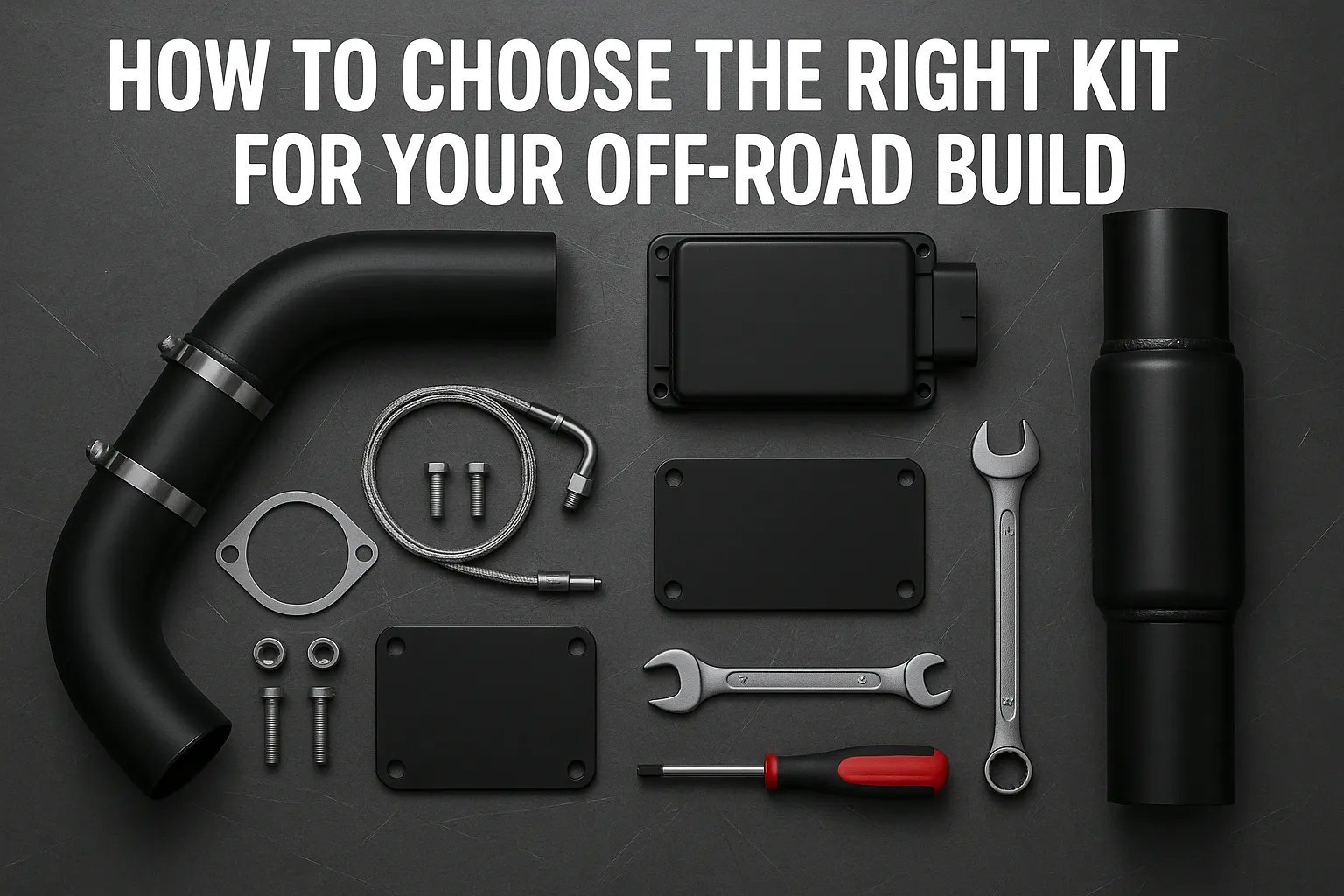
Not all delete kits are equal. Some fit perfectly. Others fight you the whole way. Here’s how to pick the right one.
1. Define Your Power Goals
If you’re chasing mild improvements, you don’t need the most expensive hardware.
If you’re aiming for race-level output, you absolutely do.
2. Consider Your Off-Road Environment
Mud? Sand? Rocks?
Different terrains stress the truck in different ways:
- Rock crawling requires durability and cooling.
- Sand dunes demand consistent airflow and low EGTs.
- Towing competitors or equipment requires torque-focused tuning.
3. Material Matters
Stainless steel (304 or 409) is preferred for longevity and corrosion resistance. Aluminized steel is cheaper but doesn’t age as well.
4. Fitment Quality
Poorly fitted pipes cause:
- Exhaust leaks
- Vibrations
- Broken brackets
- Sensor issues
- Drone
Look for precision bends and reinforced weld points.
5. Tuning Support
This may be the single most important factor when choosing an off-road L5P delete kit.
A tuner should:
- Provide stable, tested files
- Offer troubleshooting
- Understand L5P ECU architecture
- Know how off-road environments affect EGTs, load, and boost
- Support future upgrades
Your truck deserves expert calibration—not guesswork.
Pro Tips to Maximize Off-Road Performance After a Delete
These insights come straight from seasoned diesel builders and racers.
1. Monitor EGTs Religiously
Even with reduced backpressure, heat can spike quickly in low-speed, high-load environments.
2. Upgrade Transmission Tuning
More torque means more responsibility. A transmission tune smooths shifts, reduces slip, and protects clutches.
3. Consider a Lift Pump Upgrade
The L5P’s stock system works—but it wasn’t designed for the elevated demands of high-output off-road tuning.
4. Improve Intercooling
Cooler air = more stable performance.
Options include:
- Larger intercooler
- Higher-flow pipes
- Upgraded boots and clamps
5. Maintain a Tight Inspection Schedule
A deleted off-road truck should be checked more often—not less.
Myths & Misconceptions About L5P Delete Kits
Let’s clear the air.
Myth #1: All delete kits are the same.
Not remotely. Materials, fitment, tuning, and performance vary dramatically.
Myth #2: You can delete without tuning.
The L5P simply will not function without proper recalibration.
Myth #3: Delete tuning is risky by default.
Bad tuning is risky. Professional tuning is predictable and stable in off-road environments.
Myth #4: Deletes always hurt the engine.
In off-road conditions, reduced heat and simpler airflow can improve longevity—but only when monitored carefully.
Final Thoughts: Is an L5P Delete Kit Right for Your Off-Road Build?
If you’re building a competition-only machine—a dune runner, sled puller, drag truck, or off-road race platform—an L5P delete kit paired with professional tuning can dramatically increase performance, reliability, and drivability in extreme environments.
But for public-road vehicles, emissions systems must remain intact. The law is immovable on that point.
For off-roaders, though? This modification transforms the L5P into a more controlled, more predictable, and more powerful machine. It breathes better. It runs cooler. And it responds with intensity.
And when you’re pushing your truck through sand dunes, up mountain trails, or across a finish line, that difference is huge.
We’re dedicated to helping you get the best performance from your off-road vehicle—and understanding the engineering behind modifications like the L5P delete kit puts you miles ahead of the average builder.
FAQs
An L5P delete kit is a combination of off-road-only parts and tuning that removes or disables emissions components on the L5P Duramax for closed-course or competition use.
No—emissions deletes are illegal on public roads and are only permitted for vehicles used exclusively off-road or in sanctioned competition environments.
Off-road builders seek lower EGTs, simplified systems, improved responsiveness, and more stable power during harsh terrain use.
Yes, tuning is mandatory because the L5P ECU must be recalibrated to function properly when emissions components are removed.
Yes, when professionally tuned, off-road L5P setups often gain substantial horsepower and torque depending on the tune level.
Many off-road users report improved fuel efficiency due to the elimination of regen cycles and reduced backpressure.
Risks include voided warranties, legal penalties for road use, and engine or transmission stress if tuning and monitoring are not handled properly.
Most complete off-road setups range from $1,500 to $4,000 depending on parts, tuning, and labor.
Yes, removing emissions components changes the exhaust flow and typically results in a deeper, more aggressive off-road sound.
Only experienced professionals familiar with L5P ECU architecture and off-road diesel performance should perform the installation.