
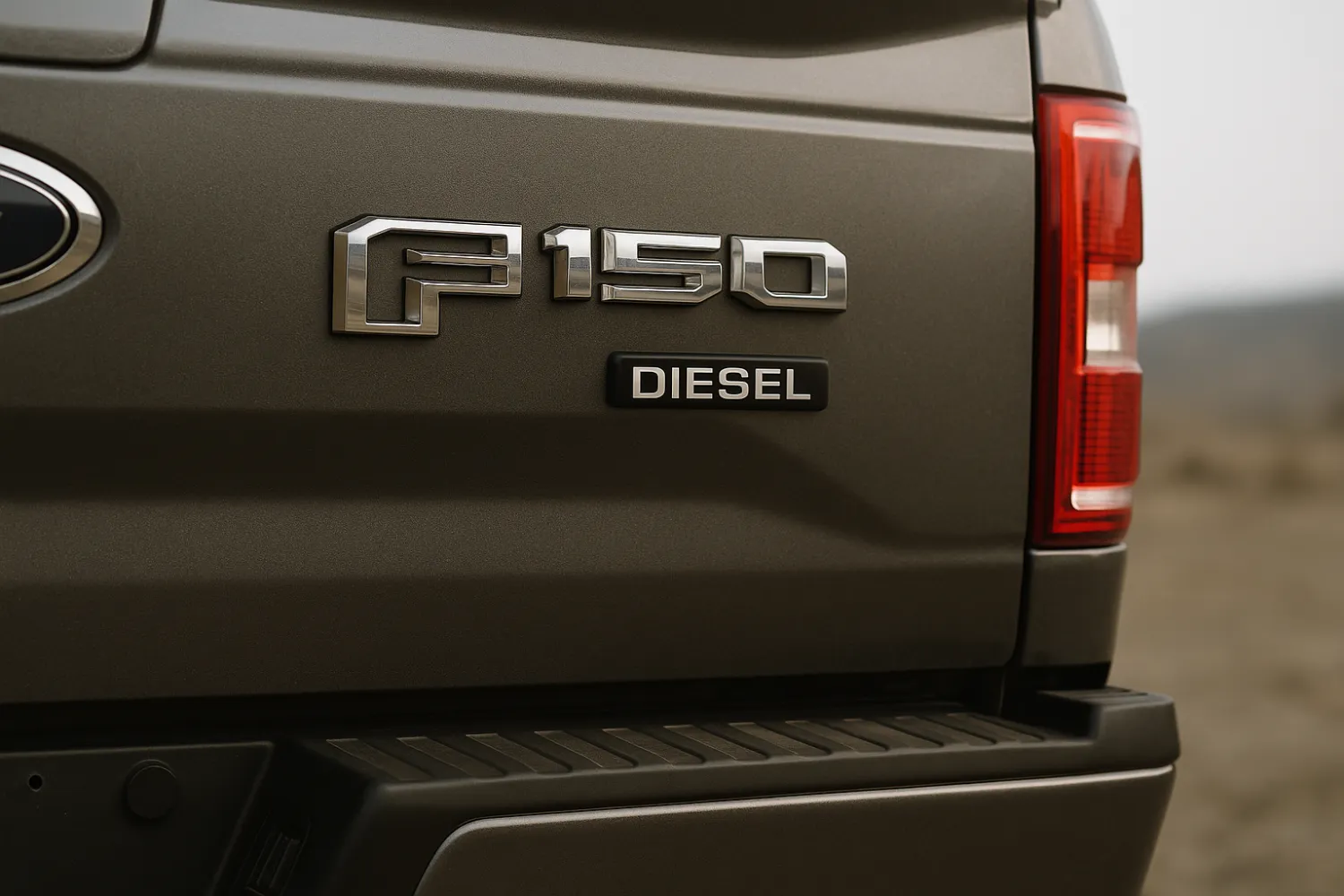
If you’ve been exploring ways to squeeze more reliability, consistency, and raw off-road capability out of your 3.0L PowerStroke F-150, the phrase f150 diesel delete kit has probably crossed your feed more than once. It’s a topic that generates just as much excitement as debate and for good reason. The F-150 diesel is a special truck. It has strengths, quirks, and a unique emissions system that can work for you or against you depending on how you use your truck. Especially off-road. So today, we’re diving deep into what a delete kit really does, what it won’t do, and whether it’s still worth considering in 2025. Buckle in!
I. Why the F-150 Diesel Delete Kit Became a Hot Topic
Ford’s 3.0L PowerStroke didn’t get the longest production life, but it earned a loyal following among off-roaders. It’s smooth, torquey, efficient, and surprisingly capable when tuned and driven with intention. Yet one thing has always been true: emissions equipment on this platform is picky. It’s functional on pavement but not always thrilled about slow, uneven, dusty, or steep terrain.
That’s why drivers started searching for reliable ways to keep the truck from stumbling during regen, clogging up the DPF, or choking itself through repeated EGR cycling. And that’s where delete kits entered the conversation paired with a clear reminder that this modification is for off-road use only. This article breaks things down in plain language so you can make informed decisions about your off-road build. No hype. No fluff. Just real-world insight from the Explosive Diesels mindset: performance done smart.
II. What a Diesel Delete Kit Actually Does
A diesel delete kit removes or bypasses emissions components that can restrict flow or create regen challenges when you’re deep in the trails.
Here’s what the kit typically affects:
- DPF (Diesel Particulate Filter): Prevents soot but easily overloaded in slow, high-load conditions.
- DEF/SCR System: Controls NOx emissions but adds complexity.
- EGR Valve + Cooler: Recirculates exhaust gas; excellent for emissions compliance, not ideal for off-road performance.
These systems work beautifully in stock conditions on smooth commutes or highway travel. But toss in heat, dust, technical crawling, uneven throttle inputs, or long idle time? The F-150 diesel begins to behave unpredictably. Delete kits are designed to eliminate that inconsistency for trucks being used legally off-road.
III. Why Drivers Consider the F-150 Diesel Delete Kit (Off-Road Use Only)
Off-road drivers want control, not surprises. And the emissions system especially on the 3.0L PowerStroke is known for causing unpredictable regens at the worst possible moments. I’ve seen it firsthand! You’re halfway through a steep grade, and suddenly the truck begins a regen cycle, raising EGTs and pulling torque away from where you need it.
A f150 diesel delete kit gives off-roaders:
- Cleaner throttle response through reduced exhaust restriction
- Lower exhaust gas temperatures, especially in technical terrain
- More predictable torque delivery, crucial for mud, sand, and clay ruts
- Reduced limp-mode risk, particularly after water crossings or high-load climbs
- A smoother driving rhythm, which every trail driver appreciates
The system simply becomes simpler. And simplicity is reliability when you’re miles away from pavement.
IV. How Delete Kits Affect the F-150’s 3.0L PowerStroke Diesel
The PowerStroke 3.0 is a refined engine tight tolerances, efficient combustion, and a sensitive emissions setup. When the emissions system is intact, the truck often runs beautifully… until it doesn’t.
Certain known quirks include:
- Soot buildup at lower RPMs
- DPF loading during short-distance or uneven driving
- Intermittent DEF system warnings
- EGR-related drivability inconsistencies
This doesn’t make the truck “bad.” It makes it specialized. And off-road conditions magnify those weaknesses.
Once deleted (off-road only), the engine breathes and responds more consistently. But let me be direct: a tune is mandatory, not optional. When you delete, the ECM needs to be recalibrated so the truck knows what’s happening. You can’t shortcut that step.
V. Performance Changes You Can Expect After Deleting

This is the part everyone wants to know. What does a delete kit actually do for performance?
Let’s zoom out for a second. A f150 diesel delete kit primarily removes restrictions and simplifies airflow and exhaust flow. Performance improvements depend on the tune, supporting mods, and truck condition but here are the typical gains off-road drivers see:
Common Off-Road Performance Changes
- 30–60 HP increase (with tuning)
- Noticeably faster turbo spool
- Up to 2–4 MPG difference in slow off-road environments
- Lower EGT under load
- Sharper low-RPM torque, especially in tight crawling
A simple comparison:
Trail Performance: Stock vs. Deleted
| Feature | Stock F-150 PowerStroke | With Delete Kit |
|---|---|---|
| Throttle response | Mild | Sharper, quicker |
| Regen risk | High in technical terrain | Zero |
| EGT during climbs | Higher | Lower |
| Low-RPM torque feel | Softer | Punchier |
| Drivability | Inconsistent under load | Smooth, predictable |
It’s not just about power; it’s about stability.
VI. What the F-150 Diesel Delete Kit Will Not Do
Some drivers expect magic. Let’s cut through that.
A f150 diesel delete kit will not:
- Fix unrelated mechanical problems
- Instantly transform the F-150 into a heavy-duty tow rig
- Replace the need for routine maintenance
- Prevent all heat issues under extreme loads
- Guarantee reliability if aftercare is neglected
Deleting solves specific off-road emissions-related challenges. Nothing more, nothing less.
VII. Required Supporting Mods After Deleting
If you move forward with a delete kit, here’s what your truck will realistically need:
Mandatory
- A proper tune
- Exhaust system modification (downpipe-back or full turboback)
Highly Recommended
- CCV reroute
- Upgraded intercooler for sustained off-road load
- Intake improvements
- Digital monitoring for:
- EGT
- Boost
- Transmission temp
Think of it as building a system, not just adding a part.
VIII. The Tuning Process: What to Expect
Tuning is where everything comes together. Without it, your truck simply won’t run correctly after a delete.
A tuner will:
- Adjust fuel mapping
- Recalibrate torque management
- Disable emissions system logic
- Improve throttle sensitivity
- Lower unnecessary EGR commands
You usually choose between:
- Single tune
- Multi-tune package (tow, street, performance, Eco mode)
If you’re asking for my opinion? Data logs are your friend. They reveal boost behavior, fueling issues, temp spikes everything a serious off-road driver should keep an eye on. Don’t skip them!
IX. Risks and Downsides You Need to Know
Deleting is not a zero-downside decision.
Here’s what you should consider before touching a wrench:
- Warranty loss on emissions components
- Higher upfront cost
- Possible drivability issues with poor tuning
- More visible soot output
- Increased exhaust tone (some love it, some don’t)
- Regulatory penalties if used on public roads
Make sure you weigh these realistically not emotionally.
X. Legal and Compliance Considerations
Let’s be absolutely clear.
Removing emissions equipment is illegal on public roads in the U.S. It violates federal law. A f150 diesel delete kit is for closed-course, off-road, or race use only. Explosive Diesels provides information for education and off-road performance understanding not for bypassing environmental laws.
Every driver must make informed, law-abiding decisions.
XI. Installation Overview: What the Process Looks Like
This isn’t a bolt-on in 20 minutes. Expect a moderate-difficulty project with several steps:
Typical Tools Needed
- Wrench set
- Ratchets and extensions
- Penetrating oil
- Exhaust hangar tools
- Optional lift or jack stands
General Installation Flow
- Remove DPF and DEF system components
- Remove or block EGR flow
- Install new exhaust components
- Upload tune
- Test drive and data-log
Common Mistakes
- Not checking for boost leaks
- Failing to properly torque flanges
- Skipping the tune upload
- Driving without verifying temps and fueling
Slow down and do it right.
XII. Real-World Feedback From Off-Road F150 Diesel Owners
Across forums, trail groups, and tuning communities, the feedback is consistent.
Drivers Report:
- Smoother low-RPM torque in mud and sand
- No more regen disruption on technical climbs
- Less hesitation after water crossings
- Better EGT management
- More “connected” throttle feel
When paired with maintenance, these trucks run impressively well long term.
XIII. Maintenance Expectations After Deleting
Deleting changes how you maintain the truck and it’s usually for the better. Many drivers love the reduced soot load and simpler systems, but you still must stay disciplined.
Post-Delete Maintenance Tips
- Change oil on time
- Inspect boost boots and clamps
- Monitor EGT and trans temps
- Watch for intake tract buildup
- Keep your tuner updated
A simple routine prevents complex problems.
XIV. Cost Breakdown: What You Should Expect to Spend
Here’s a practical snapshot of what most drivers invest:
| Component | Typical Cost |
|---|---|
| Delete Kit | $450–$1,200 |
| Tuner | $600–$1,200 |
| Exhaust | $300–$1,200 |
| CCV / Intake mods | $150–$350 |
| Optional shop labor | $300–$900 |
Example Build Scenarios
- Budget Build: $1,100–$1,600
- Mid-Tier Build: $1,800–$2,800
- Premium Setup: $3,000–$4,500
Deleting isn’t cheap, but drivers rarely do it “just because.” They do it for reliability and control in the terrain.
XV. Is the F-150 Diesel Delete Kit Still Worth It in 2025?
This is the number one question. And here’s the honest answer: it depends on your needs.
If you’re a casual driver? Probably not worth it.
If you’re an off-roader? It can completely change how the truck behaves under pressure.
The f150 diesel delete kit is still valued because:
- It stabilizes performance in harsh terrain
- It prevents regen-related issues
- It improves consistency on slow technical trails
- It reduces heat stress
- It offers predictable torque every single time
But it only works when you treat the truck like a system. Delete it, tune it, maintain it, and monitor it. That’s the formula. If you want the most out of your PowerStroke F-150 in off-road environments, then yes… it’s still worth serious consideration!
XVI. Final Thoughts: Build Smart, Tune Smarter
When built correctly, the F-150 diesel becomes a confident, reliable, and smooth off-road machine. But deleting isn’t a shortcut. It’s a commitment. A well-built setup feels incredible clean torque, predictable throttle, no regen surprises, and a truck that finally behaves the way you wish it did from the factory.
If you’re planning your build, take your time, gather the right parts, invest in a reputable tuner, and treat maintenance as non-negotiable. That’s the Explosive Diesels way!
FAQs
No, deleting emissions equipment is illegal for on-road use in the U.S.; it is only permitted for off-road, race, or closed-course operation.
Most drivers see sharper throttle response, lower EGTs, and 30–60 additional horsepower depending on the tune.
Yes the truck will not run correctly without recalibrating the ECM to match the deleted components.
Many off-road drivers report 2–4 MPG improvements due to reduced restrictions and more stable combustion.
No, delete kits only address emissions-related restrictions; unrelated mechanical issues must be diagnosed separately.
Reliability typically improves off-road because regen cycles and soot buildup are eliminated, but poor tuning can create new issues.
A better exhaust, CCV reroute, updated intercooler, and monitoring gauges help maintain performance and long-term durability.
It can, depending on tune and driving style, since removed emissions components no longer filter particulates.
Most builds range from $1,100 to $4,500 depending on parts, tuning, and whether installation is DIY or shop-performed.
Yes, it remains valuable for consistent torque, lower heat stress, and eliminating regen issues in technical terrain.