
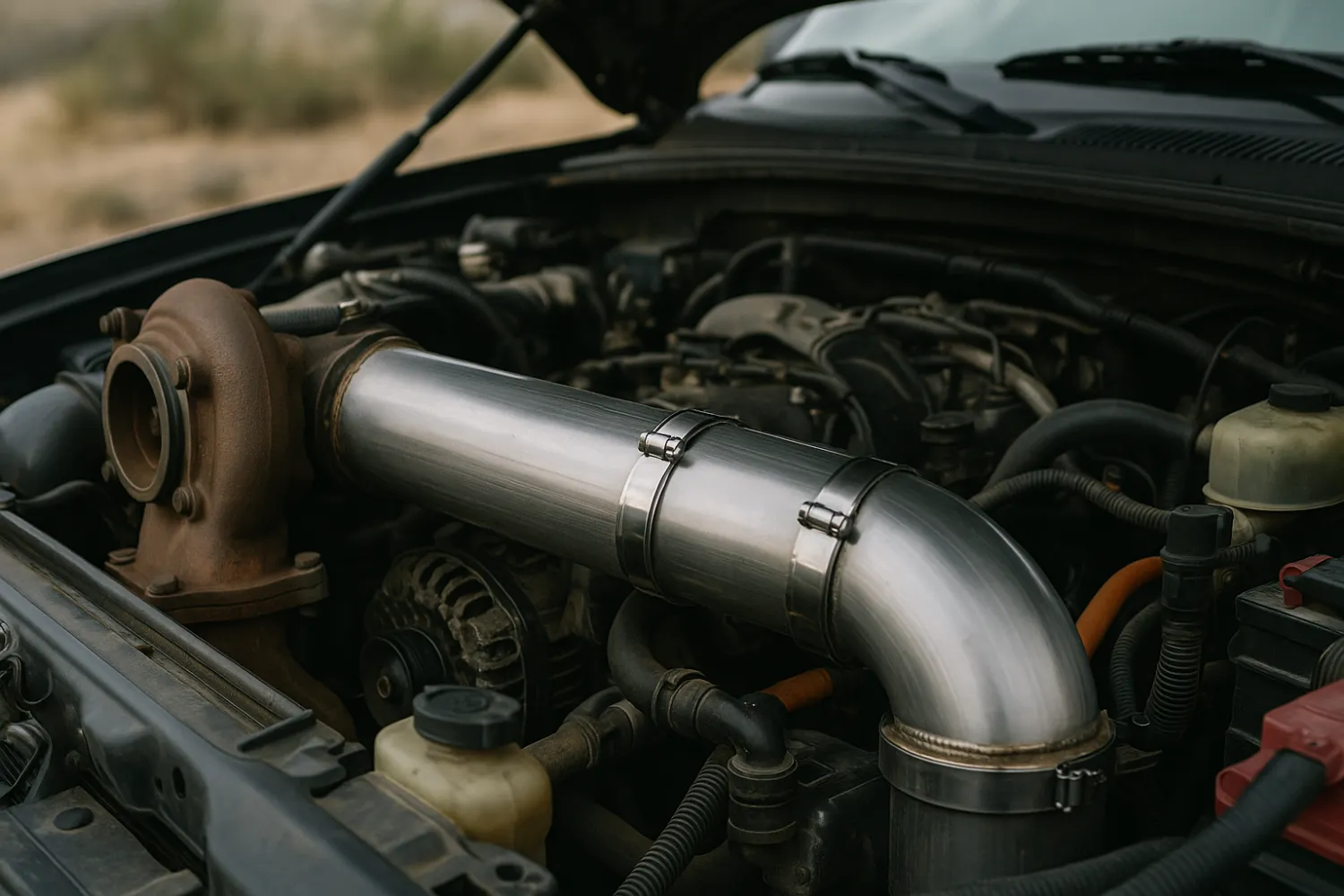
Off-road drivers don’t just want power they want consistency. Predictability. Confidence that when the trail gets rough and the temps climb, their diesel responds like a machine built for war. That’s exactly why more performance-focused owners are looking at the explosive diesel delete kit as a serious upgrade for 2025 and beyond. And honestly? It’s not hard to see the appeal. When an engine stops fighting its own restrictions, it wakes up. It breathes. It performs with sharpness and authority. Let’s break down why this system has become one of the most sought-after off-road performance solutions.
I. Why Off-Road Drivers Are Turning to Delete Kits
Stock emissions systems were never designed for slow-crawl rock gardens, deep sand trails, or dusty farm routes. They were engineered for highway cycles and government compliance. Out on actual terrain the kind that twists your suspension and eats your tires things change fast.
Regen cycles trigger at the worst moments. EGTs spike. Airflow gets choked. And engines derate at the exact second you need torque the most.
This is where the concept of a delete kit exploded in popularity. When off-roaders realized they could unlock real performance by removing restrictive components, the game changed. The explosive diesel delete kit is positioned to maximize that advantage, delivering freedom from clogged DPF filters, sticky EGR valves, and DEF system failures that plague modern trucks once they leave pavement behind.
II. What the Explosive Diesel Delete Kit Actually Is
Let’s strip this down. A delete kit in the off-road world is a performance package. Nothing more, nothing less. It’s designed to free airflow, reduce soot, and stabilize temperatures so your diesel engine performs at peak output.
A typical explosive diesel delete kit includes:
- DPF delete pipe
- EGR block-off plates or bypass hardware
- DEF system disablement or tuning
- A high-caliber tuning interface
- Gaskets, clamps, coolant reroutes, and hardware
It’s engineered to eliminate bottlenecks. That’s the secret. The engine finally works the way the factory would allow it to if emissions rules didn’t exist.
III. How the Delete Kit Improves Real Off-Road Performance
Performance gains aren’t marketing hype. They’re mechanical reality. Remove restrictions, and the engine instantly changes how it breathes, burns, and cools. These improvements tie back to principles of thermodynamics, which govern heat transfer, work, and energy efficiency within combustion engines.
A. Power & Torque Gains
When the DPF and EGR systems stop limiting exhaust flow, turbo spool happens earlier and harder. More air. Cleaner burn. More usable torque at low RPM.
B. Lower Exhaust Gas Temperatures (EGTs)
High EGTs are the enemy of off-road reliability. They cook turbos, destroy pistons, and ruin bearings.
The explosive diesel delete kit keeps temps lower, even under brutal load.
C. Sharper Throttle Response
Lag disappears.
Suddenly the truck reacts now instead of “give me a second to think about this.”
D. Off-Road Fuel Efficiency
This isn’t about highway MPG. This is about reducing:
- Forced regens
- Excess fuel dumping
- Soot buildup
When the engine maintains stable airflow and AFR, consumption stabilizes even in punishing terrain.
IV. Why Reliability Improves After Deleting
Delete kits aren’t just about going faster. They’re about preventing disaster far from civilization.
A major reason emissions systems struggle during off-road use is the buildup of particulate matter. Slow-speed driving or heavy-load crawling doesn’t generate the heat needed to burn off soot, causing DPF clogging, regens, and eventual derates.
By eliminating the components that trap or recirculate that particulate matter, your diesel breathes easier and runs significantly cooler.
V. Vehicle Platforms Supported by the Explosive Diesel Delete Kit
This system isn’t one-size-fits-all. It’s tailored. Serious off-roaders run a wide range of platforms, and the explosive diesel delete kit supports them all.
A. Duramax Engines
- L5P
- LML
- LBZ
B. Powerstroke Platforms
- 6.7L
- 6.4L
- 6.0L
C. Cummins Engines
- 5.9L
- 6.7L
D. Additional Platforms
- 3.0 Duramax
- Jeep EcoDiesel
- Titan XD 5.0 Cummins
VI. What’s Inside a High-Quality Delete Kit
Let’s break it down piece by piece.
A. DPF Delete Pipe
Stainless. Mandrel-bent. High flow.
B. EGR Block-Off or Reroute Hardware
Eliminates the soot loop that fouls intakes.
C. Tuning Device
The real brain of the explosive diesel delete kit.
D. Hardware
Quality clamps and gaskets matter.
VII. Installation Overview
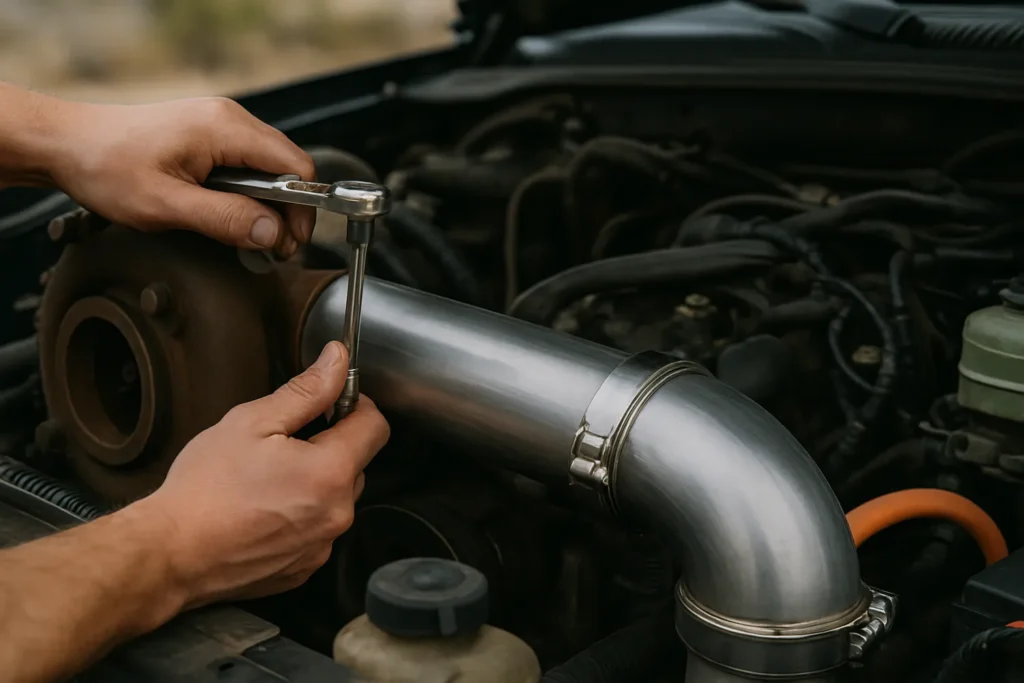
Not a DIY walkthrough—but a high-level expectation.
A. Tools Needed
- Hand tools
- Torque wrench
- PPE
B. Removing OEM Components
Patience required.
C. Installing Delete Components
Fitment checks matter more than speed.
D. Tuning
Mandatory part of the process.
E. Break-In Run
Monitor temps, boost, and vibration.
VIII. Common Mistakes Off-Road Drivers Make
Avoid these:
- Oversized pipes
- Under-torqued clamps
- Cheap delete kits
- Overfueling tunes
- Neglecting EGT monitoring
IX. Safety Considerations
Performance requires responsibility.
- Heat management
- Ventilation
- Coolant reroute sealing
- Real-time monitoring
X. Why Tuning Is the Heart of the System
Without tuning, hardware is just metal and gaskets.
With tuning, it’s a weapon.
Great tuning controls:
- Turbo vane timing
- Fuel pulse width
- AFR
- Boost targets
- EGT strategies
This is where the explosive diesel delete kit truly transforms a truck’s character.
XI. Real-World Feedback: What Off-Roaders Say
Drivers consistently report:
- Lower EGTs
- Faster turbo response
- More stable towing
- No random derates
- Sharper throttle reaction
Mini Comparison Table
| Platform | Improvement | Feedback |
|---|---|---|
| L5P | Big torque gain | “Finally breathes!” |
| 6.7 Powerstroke | Lower EGTs | “Heat stays under control.” |
| 6.7 Cummins | Steady boost | “Doesn’t choke in sand.” |
XII. Maintenance Changes After Deleting
Deleting doesn’t remove maintenance it refocuses it.
Key Upkeep
- Oil changes every 4k–5k miles
- Inspect clamps
- Monitor sensors
- Use premium synthetic oil
XIII. Cost Breakdown
| Item | Cost |
|---|---|
| Delete Pipe | $300–$800 |
| EGR Kit | $150–$350 |
| Tuner | $500–$1,200 |
| Labor | $400–$1,200 |
| Optional Add-Ons | $100–$600 |
XIV. Is the Explosive Diesel Delete Kit Worth It for 2025+?
For serious off-road drivers?
Absolutely.
If you want:
- Cooler temps
- More torque
- More reliability
- Better control
- No regen-induced failures
…then this system delivers everything it promises.
Modern emissions systems keep getting more sensitive. Off-road environments keep getting more demanding. The explosive diesel delete kit bridges that gap with performance, consistency, and control.
XV. Alternatives to Deleting
If you’re not ready for a full kit:
Options
- Tune-only
- Intake upgrades
- Exhaust upgrades
Comparison Table
| Option | Pros | Cons |
|---|---|---|
| Full Delete | Max power, max reliability | Highest cost |
| Tune-Only | Easy, strong gains | Still limited |
| Intake | Cheap | Minimal HP |
| Exhaust | Better tone | Limited impact |
XVI. Final Thoughts: Why Explosive Diesels Supports This Upgrade
At Explosive Diesels, the mission is simple:
Unleash the performance your engine already has inside it.
The explosive diesel delete kit gives off-road drivers:
- Genuine power
- Real heat control
- True reliability
- Predictable torque
It’s not hype. It’s engineering.
And for off-road performance enthusiasts, it’s one of the most transformative upgrades available today.
FAQs
It’s a performance-focused package that removes restrictive emissions components to improve power, cooling, and reliability for off-road use only.
Yes, removing the DPF and EGR restrictions allows the turbo to spool faster, resulting in noticeable gains in low-end torque and overall power.
Most drivers experience significantly lower exhaust gas temperatures due to improved airflow and reduced soot accumulation.
Absolutely tuning is mandatory to recalibrate fuel delivery, boost control, and prevent engine errors after deleting emissions components.
Most Duramax, Powerstroke, Cummins, EcoDiesel, and 3.0 Duramax platforms can be supported with the correct hardware.
Yes, deleting eliminates regens, clogged filters, and derates that often occur during low-speed, high-load off-road driving.
Oil changes should be more frequent, and regular checks for boost leaks, sensor readings, and exhaust connections are recommended.
Depending on the platform, expect to spend between $1,200 and $3,500 for parts, tuning, and optional professional installation.
It can if the truck is overfueled or poorly tuned, but a proper off-road calibration minimizes excessive smoke.
For drivers seeking more torque, cooler temps, and consistent performance on challenging terrain, a delete kit is one of the most effective upgrades available.