
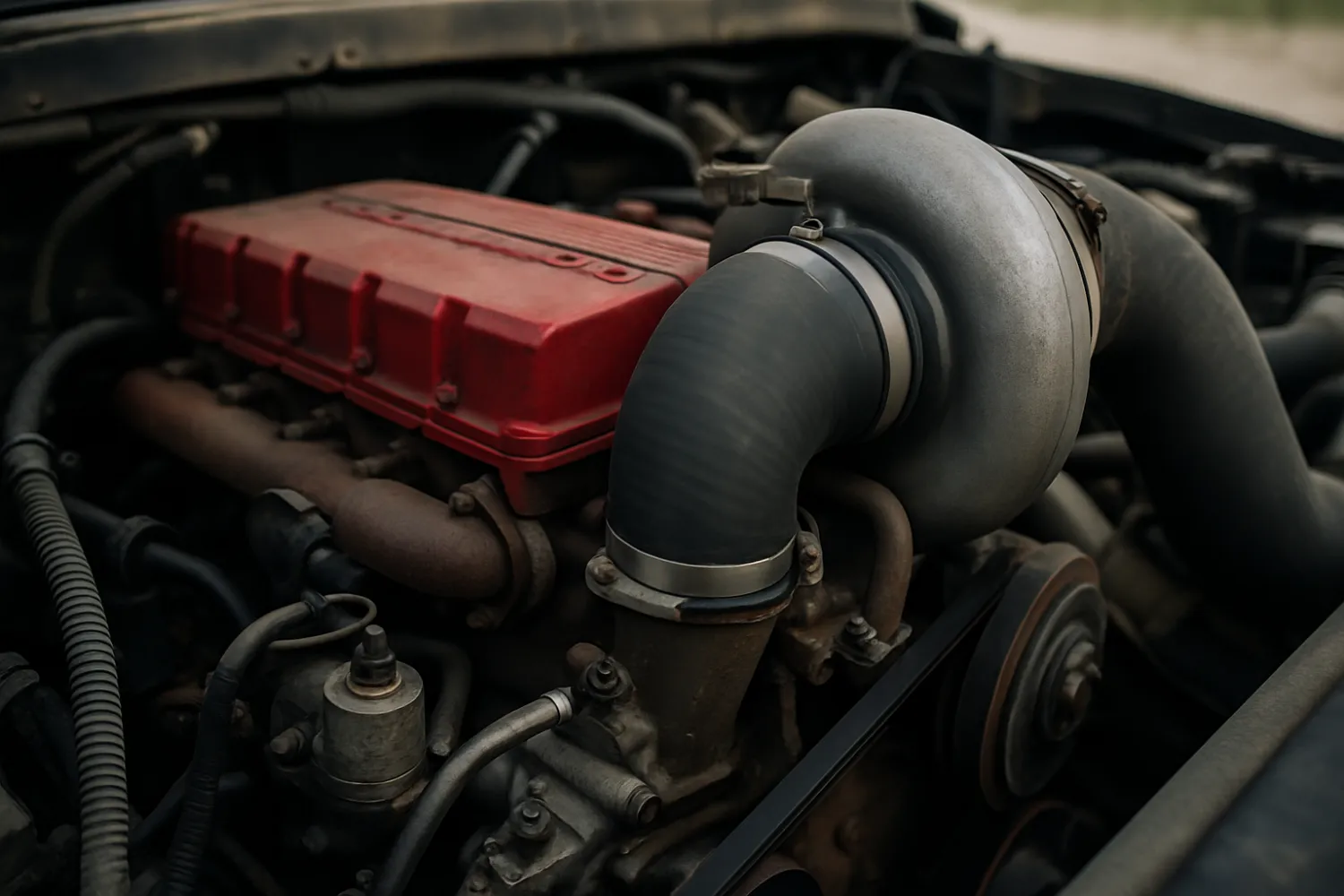
Modern diesel engines work hard, but they don’t always work smart especially when you’re pushing them through brutal off-road terrain. Dust. Heat. Load. Long climbs that never seem to end. Your Cummins engine feels every bit of that pressure. And this is why so many performance-minded owners eventually look into a Cummins EGR delete kit. They want a setup that breathes better, runs cleaner, and handles abuse without complaint. That desire is understandable. Off-road driving demands a level of reliability that emissions-focused components simply weren’t designed to deliver. Let’s break it down clearly, honestly, and with enough depth that you walk away knowing exactly what this modification does, what it requires, and how it affects real-world off-road performance.
I. Why Off-Road Cummins Owners Consider an EGR Delete
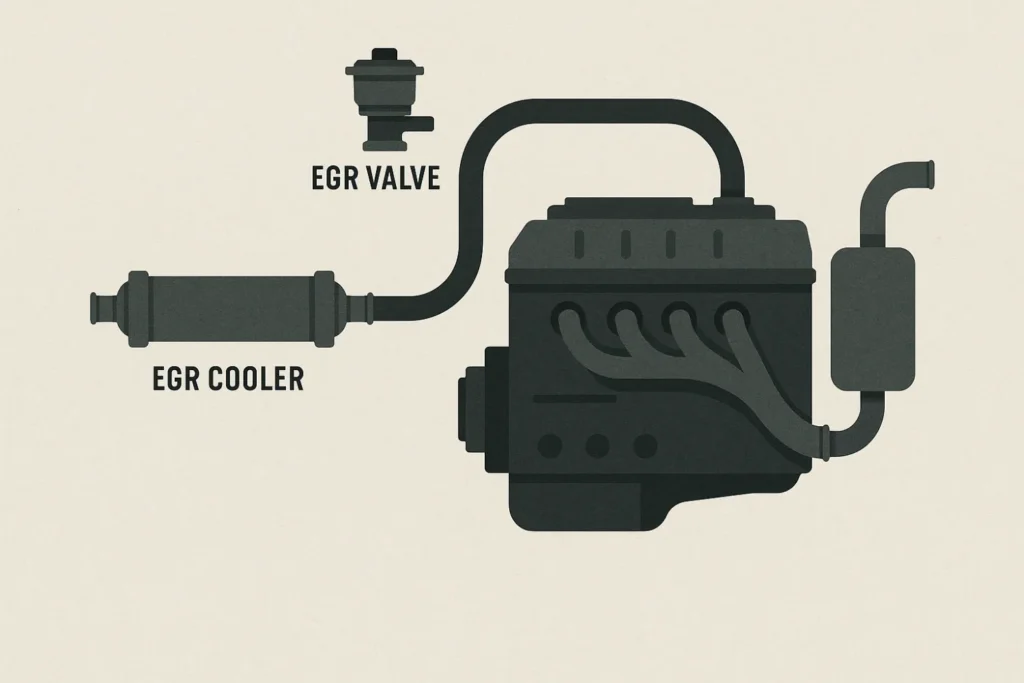
When manufacturers design engines, they’re playing two games at once. One game is about forging power, durability, and towing muscle. The other is about meeting strict emissions regulations. These goals don’t always get along, and nowhere is the conflict more obvious than in your EGR (Exhaust Gas Recirculation) system. The EGR system routes exhaust gases back into the intake to reduce combustion temperatures and lower nitrogen oxide emissions. On paper, that sounds great. In reality? On dusty trails or under heavy off-road load, it becomes a liability. Soot accumulates. Heat builds up. Sensors get fouled. And airflow suffers.
That’s where the Cummins EGR delete kit comes in. It wasn’t built just to modify a truck. It was built to restore a Cummins engine to what off-road drivers need: simplicity, reliability, and raw, steady torque. Before we dive into the hardware, let’s unpack what the EGR system does and why deleting it even matters.
II. What the EGR System Actually Does
The EGR system’s job is straightforward in theory but messy in practice. It recirculates a portion of exhaust gases back into the intake stream. This lowers peak combustion temperatures and reduces NOx emissions. But those gases are loaded with soot, unburned hydrocarbons, and microscopic debris. Over time, this creates major issues:
- Clogged intake manifolds
- Sticky EGR valves
- Reduced turbo efficiency
- Increased oil contamination
- Inconsistent throttle response
Off-road environments amplify these problems. The EGR system adds heat load to an engine already dealing with slow crawling, limited airflow, and heavy demand.
When you push your Cummins engine hard through rocky grades or deep mud, the EGR cooler also works overtime. It absorbs heat from the recirculated exhaust, which spikes coolant temps. That extra heat can push an already exhausted cooling system to the edge. This is the real-world reason drivers look at deleting EGR not because they want to “mod.” Because they want a truck that responds cleanly and consistently every time they ask for power.
III. Why an EGR Delete Kit Exists
A Cummins EGR delete kit isn’t some mysterious performance hack. It’s a direct response to the challenges above. The kit removes the soot-recirculation pathway entirely. Once the exhaust flow is no longer routed back into the intake, the engine breathes only fresh, clean air.
This leads to immediate improvements:
- Fewer components exposed to soot
- Stronger, steadier combustion
- Cooler operating temps
- Longer service intervals
- Better durability during off-road abuse
Another benefit: tuning flexibility. A deleted EGR system allows off-road calibrators to adjust fueling, boost, and timing without fighting against emissions-related limits.
There are different kit levels ranging from simple block-off plates to full cooler bypass systems with coolant rerouting. Which one you choose depends on your Cummins year model and your goals.
IV. What a Cummins EGR Delete Kit Includes
While kits vary slightly, most include:
Typical Components
- Block-off plates
- EGR valve delete bracket or plug
- EGR cooler replacement pipe or bypass hose
- Coolant fittings for rerouting
- Gaskets, seals, and high-grade hardware
Some kits also include optional upgrades like:
- High-flow intake piping
- Boost tube upgrades
- Reinforced coolant lines
Cheaper kits often save money through thinner metal plates or subpar machining. If you’re taking your truck off-road at all, avoid those. They warp under heat, leak, or fail outright.
V. Compatibility by Cummins Engine Model
Different Cummins generations handle EGR differently. Here’s a quick overview:
5.9L Cummins (2003–2007)
- Minimal EGR presence
- Simple delete process
- Lower soot load overall
6.7L Cummins (2007.5–Present)
- Heavy EGR integration from the factory
- Larger coolers, more plumbing, more sensors
- Significantly improved airflow after deleting
- Increased cooling stability under load
Cab-and-Chassis Variants
- Often include different EGR placement
- Must verify kit fitment carefully
Before buying a Cummins EGR delete kit, confirm your exact engine year. Small changes between model years can affect whether the hardware aligns perfectly.
VI. Off-Road Performance Gains from Deleting the EGR System
When you remove the EGR system, your engine stops recirculating soot-filled exhaust gas. That single change unlocks multiple performance benefits.
Key Improvements
- Cleaner intake airflow
- Less soot buildup in the manifold
- Lower exhaust gas temperatures
- More responsive turbo behavior
- Reduced coolant temperature spikes
- Longer intervals between oil changes
Comparison Table
| Area of Improvement | Stock EGR System | With EGR Delete |
|---|---|---|
| Airflow Quality | Mixed with soot | 100% clean air |
| Intake Cleanliness | Degrades rapidly | Stays clean for thousands of miles |
| Turbo Efficiency | Restricted | Faster spool, better response |
| Operating Temps | Higher due to EGR heat load | Cooler & more consistent |
| Off-Road Reliability | Sensitive to dust & heat | More stable under load |
The difference is obvious on the trail. Engines breathe easier. Turbochargers spool more predictably. And coolant temps stay manageable during slow, high-load climbs.
VII. Potential Downsides & Considerations
An honest review must include the trade-offs. While the Cummins EGR delete kit improves performance, it does require awareness of several considerations.
Things to Know
- Proper tuning is mandatory
- Coolant circuits may need rerouting
- Removing EGR components takes time and precision
- Poor-quality kits can warp, leak, or crack
- Sensors may require recalibration or disabling via tune
Skipping tuning is the #1 mistake people make. The ECU is not designed to see EGR flow disappear without an explanation.
VIII. Required Tuning After an EGR Delete
If you delete EGR without tuning, the truck will throw codes instantly. Limp mode may activate. Performance will drop sharply.
Tuning corrects this by:
- Disabling EGR flow calculations
- Adjusting boost expectations
- Refining fueling maps
- Eliminating check-engine lights
- Optimizing airflow for an off-road environment
Tuning is where the performance magic happens. Combined with the hardware, it creates a cleaner, stronger, more predictable powerband.
If you’re off-road towing or hauling heavy loads, a dialed-in tune is priceless.
IX. Step-by-Step Overview: Installing a Cummins EGR Delete Kit
Installing a Cummins EGR delete kit is not overly complicated, but it does require patience and mechanical awareness. Here’s a structured overview.
1. Preparation
- Disconnect battery
- Allow engine to cool completely
- Gather hand tools, torque wrenches, and coolant catch pan
2. Remove Intake Piping
This creates space to access the EGR cooler and valve.
3. Disconnect Coolant Lines
Expect spillage. Prepare a bucket and plug lines quickly.
4. Remove EGR Valve
Unbolt it carefully. Some models have stubborn bolts due to heat cycling.
5. Remove EGR Cooler
This is the largest component. Ensure no sensors get damaged during removal.
6. Install Block-Off Plates
Position them cleanly and torque to spec. Do not overtighten warping is real.
7. Reroute Coolant
Attach the bypass hose or fittings included in your kit.
Secure them with proper clamps.
8. Reassemble Intake Components
9. Upload Your Tune
Confirm the software is specifically calibrated for off-road EGR delete operation.
10. Test Run
- Check for leaks
- Verify temps
- Perform a short off-road load test
Take your time here. A clean install is a reliable one.
X. How EGR Delete Impacts Engine Longevity
The cleaner the air your engine consumes, the longer it lasts. It’s that simple.
By eliminating soot-laden exhaust recirculation:
- Intake valves stay cleaner
- Pistons avoid abrasive carbon buildup
- Turbos spin without airflow restrictions
- Oil maintains purity longer
- Bearings and rings avoid soot contamination
When you’re on long off-road trips mountain passes, desert runs, wooded trails—these benefits add up massively over time.
XI. Fuel Economy & Throttle Response After a Delete
While fuel economy gains vary, many off-road drivers report:
- Better mileage at low and mid-range load
- Faster turbo spool
- Sharper throttle response
- Smoother acceleration on inclines
The engine simply isn’t fighting against its own exhaust anymore. It’s breathing naturally, like it wants to.
XII. Pairing an EGR Delete with Other Off-Road Mods
To maximize performance after using a Cummins EGR delete kit, consider pairing it with strategic upgrades.
Smart Mod Combinations
- High-flow air intake
- Upgraded charge pipes
- Turbo imrovements
- Transmission tuning
- Aftermarket coolant filtration
- Digital monitoring (EGT, boost, oil pressure, coolant pressure)
Think of the EGR delete as the foundation. These add-ons build the rest of the structure.
XIII. Common Myths About EGR Deletes

Let’s set a few things straight.
Myth: “Deleting EGR instantly adds huge horsepower.”
Not exactly. Gains come mostly from improved consistency and airflow, not massive power.
Myth: “Just unplugging the EGR valve is a delete.”
Nope. That causes severe drivability issues.
Myth: “All kits are basically the same.”
Material quality varies dramatically.
Myth: “You don’t really need tuning.”
Incorrect. You absolutely do.
XIV. Legal & Compliance Reminder
Every Cummins EGR delete kit is for off-road use only. Laws vary by region. Explosive Diesels promotes responsible, legal, and well-informed vehicle modification practices. Always follow regulations in your area.
XV. How to Choose the Right Cummins EGR Delete Kit
Use these criteria to choose confidently:
- Engine year
- Intended off-road use
- Material durability
- Customer reviews
- Included hardware quality
- Availability of tuning support
A solid kit feels like an investment not a gamble.
XVI. Final Thoughts: Is a Cummins EGR Delete Kit Worth It For Off-Road Drivers?
For many off-road enthusiasts, absolutely yes. Removing the EGR system clears the intake path, reduces heat, and cuts down on soot-related issues that plague Cummins engines in rugged environments. Paired with a proper tune, the improvement is unmistakable. Your engine breathes better. Responds better. And stays cleaner inside. That means more time enjoying the trail and less time wrenching on clogged components.
If off-road performance, reliability, and engine life are your goals, the Cummins EGR delete kit is one of the most impactful upgrades you can make. Want more in-depth diesel performance guides? Stick with Explosive Diesels where we help you wring out every drop of power, reliability, and thrill your off-road machine has to offer.
FAQs
A Cummins EGR delete kit removes the exhaust gas recirculation components so the engine only breathes clean air. It’s designed for off-road performance and reliability.
Yes, many off-road drivers see better airflow, quicker turbo response, and more consistent engine temps.
Absolutely tuning is required to prevent fault codes and optimize off-road performance.
Yes, it reduces the heat load on the cooling system by removing the EGR cooler from the circuit.
It can improve usable power, but the biggest gains are in responsiveness and reliability rather than peak horsepower numbers.
No, EGR deletes are for off-road use only and must comply with local regulations.
Yes, it prevents soot-heavy exhaust from entering the intake, keeping it cleaner over time.
Some drivers report modest improvements due to cleaner airflow and more efficient combustion.
Many mechanically skilled owners can, but it requires patience, proper tools, and careful coolant handling.