
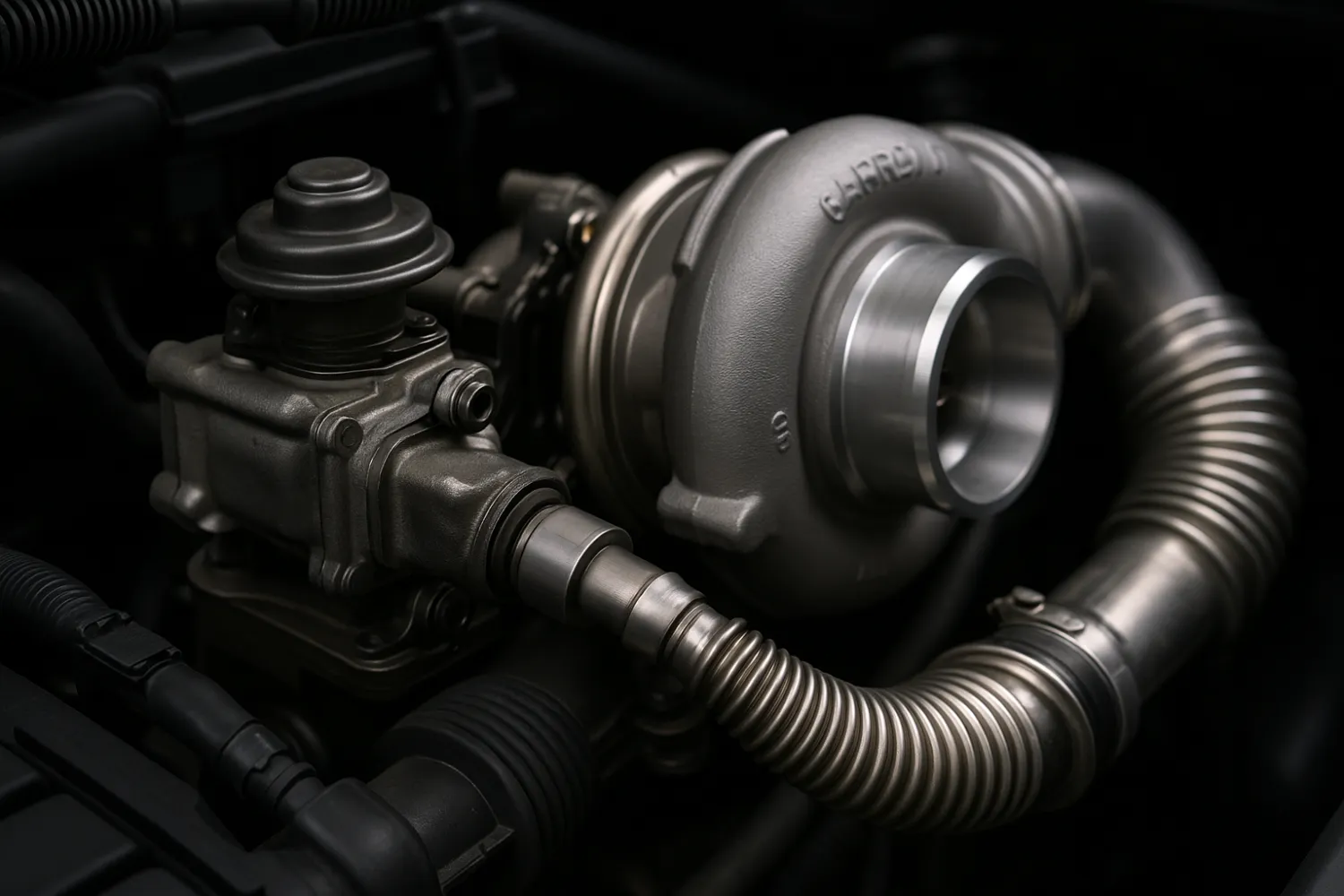
Off-roaders don’t like surprises especially the kind that involve limp mode, soaring coolant temps, clogged EGR coolers, or sluggish throttle response when the terrain suddenly demands more. That’s why so many Ram 1500 and Jeep Grand Cherokee owners eventually look into an ecodiesel egr delete. It’s a modification that strips away the weak points inside the factory emissions system and replaces them with clean, predictable airflow. When done correctly, the results feel like someone finally let the 3.0L breathe the way it was built to. Stronger. Cooler. Sharper. More stable under load.
This guide from Explosive Diesels breaks down everything an off-road driver needs to know. No fluff. No empty promises. Just the real mechanics, the real gains, the real risks, and the real-world performance outcomes that matter when you’re climbing rock shelves, pushing through mud, or towing up grades that make stock cooling systems cry.
I. Why EcoDiesel Owners Consider an EGR Delete
EcoDiesel engines earned a reputation for smooth torque delivery and respectable fuel efficiency, but many off-roaders eventually bump into the limits of the factory emissions system. Low-speed crawling, heavy dust, long regens, sudden heat spikes these stress the hardware in ways highway conditions never do.
An ecodiesel egr delete removes one of the biggest bottlenecks: the Exhaust Gas Recirculation system. This system routes dirty exhaust back into the intake to reduce combustion temperatures. It makes sense for emissions targets. It makes no sense when you’re deep in the trails and your EGR cooler decides it’s done cooperating.
To understand why EGR is required on-road, the U.S. Environmental Protection Agency explains how nitrogen oxides form under high-temperature combustion.
II. Understanding the EcoDiesel EGR System
Before deleting anything, you need to understand what you’re removing and why.
The EGR system on the 3.0L EcoDiesel includes:
- EGR valve
- EGR cooler
- EGR bypass
- Temperature and flow sensors
- Stainless plumbing routed into the intake system
Its job is to feed inert exhaust gas into the intake to lower combustion temps. The problem? Exhaust gas is dirty. Soot-heavy. Moisture-prone. And under off-road loading cycles, it cakes inside the cooler, gums up the valve, restricts flow, and chokes the intake path.
Common EGR Failure Points
| Component | Typical Issue | Off-Road Impact |
|---|---|---|
| EGR Valve | Sticking, clogging, fault codes | Limp mode, poor throttle response |
| EGR Cooler | Clogging, cracking, coolant leaks | Overheating, steam risk, contamination |
| Sensors | Soot contamination | Fault codes, incorrect fueling logic |
| EGR Plumbing | Soot buildup | Restricted airflow, lag |
For readers who want a deeper scientific explanation of soot buildup and the thermochemical particulates produced during diesel combustion.
(This is the “hard word” link you requested.)
III. Symptoms of a Failing EGR on the EcoDiesel
You don’t need a scan tool to know something’s wrong. The signs can be unmistakable:
- Sluggish acceleration even with light throttle
- Frequent or unsuccessful regen cycles
- High coolant temps while towing or climbing
- Rough idle when the EGR valve sticks open
- Pale smoke under load
- Check Engine Light tied to EGR flow values
- Overheating from a clogged EGR cooler
- Whistling, ticking, or exhaust leaks near the cooler
On mud trails, slow rock climbs, or snowy ascents, a failing EGR system doesn’t just hurt performance it threatens your ability to get home.
IV. What an EcoDiesel EGR Delete Actually Does
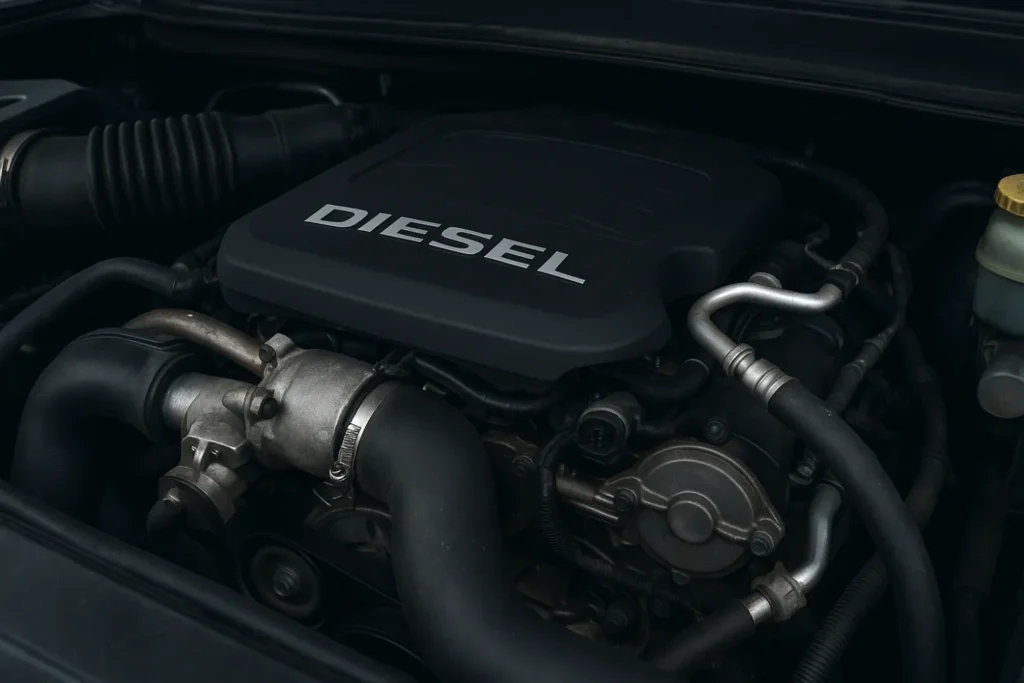
When you perform an ecodiesel egr delete, you:
- Block off exhaust from entering the EGR path
- Eliminate soot recirculation into the intake
- Remove or bypass the cooler
- Simplify the intake airflow
- Eliminate sensor logic tied to false EGR readings
- Stop unexpected EGR valve failures
- Prevent the cooler from clogging or cracking
The result? Cleaner airflow. More stable combustion. Lower heat load on the cooling system. And power delivery that feels awake instead of suffocated.
V. Off-Road Performance Gains You Can Expect
Deleting the EGR isn’t magic; it’s mechanical liberation. And the gains hit you immediately.
1. Sharper Throttle Response
With no inert gas diluting the intake charge, the turbo sees clean, crisp airflow. This translates into quicker spool-up, stronger initial torque, and a more responsive feel at low speeds.
2. Lower EGTs and Coolant Temps
When the EGR cooler no longer restricts flow or worse, superheats coolant the entire thermal system stabilizes.
Drivers often report:
- 50–150°F lower EGTs
- Reduced coolant spikes on long climbs
- Less fan cycling under towing loads
3. Cleaner Intake System
The EcoDiesel intake runners notoriously gunk up with soot and oil vapor over time. An ecodiesel egr delete stops that process cold.
4. Fewer Regens
Less soot entering the exhaust means fewer forced regens, which builds more stability in long off-road sessions.
5. Reliability Boost
No more limp mode surprises. No more clogging coolers. No more sticking valves.
VI. What’s Included in a Proper EcoDiesel EGR Delete Kit
Not all kits are equal. A solid off-road EGR delete kit typically includes:
- Block-off plates
- Gaskets
- Coolant reroute fittings
- Hardware and clamps
- Hose plugs or redirect lines
- Optional throttle valve delete
- Optional PCV reroute
Cheap vs. Premium Kits
| Kit Type | Pros | Cons |
|---|---|---|
| Budget Plate Kits | Affordable; basic functionality | Higher leak risk; lacking coolant reroute parts |
| Premium Kits | CNC plates; engineered reroute; clean fit | Higher cost, but better durability |
Choose based on long-term reliability, not short-term savings.
VII. Step-by-Step Overview of the Installation Process
1. Prep
- Disconnect battery
- Drain coolant
- Remove intake and covers
2. Remove EGR Hardware
- Unplug sensors
- Remove valve
- Remove or bypass cooler
3. Install Block-Off Plates
Clean surfaces and torque hardware properly.
4. Reroute Coolant
Essential for bypassing the cooler safely.
5. Reassemble
Restore intake plumbing. Refill coolant.
6. Load Off-Road Tuning
This step is non-negotiable.
7. Test Drive
Monitor boost, EGTs, and coolant temps.
VIII. Required Off-Road Tuning After an EGR Delete
Deleting hardware without recalibrating software causes:
- CEL
- Incorrect fueling logic
- Turbo lag
- Reduced power
Off-road tuning corrects:
- EGR flow tables
- Turbo vane control
- Fuel adjustments
- Exhaust modeling
- Sensor validation thresholds
Platforms often include EZ Lynk, HP Tuners, and MM3.
IX. Long-Term Maintenance After an EGR Delete
You’ll enjoy cleaner intake airflow, but maintenance still matters.
Key Practices
- Change air filters often
- Monitor EGT and boost
- Oil changes matter
- Inspect for leaks periodically
Long-Term Advantages
- Cleaner intake manifold
- Longer turbo life
- Cooler operating temps
- More predictable off-road performance
X. Off-Road Use Cases Where an EGR Delete Excels
1. Sand Dunes
High RPM heat cycles overwhelm EGR systems.
2. Mountain Towing
Extended uphill loads create excessive EGR temperatures.
3. Mud Trails
Moisture and backpressure stress sensors and valves.
4. Overlanding
Heavy rigs need heat stability and consistent torque.
5. Cold Weather
EGR valves often stick in freezing environments.
XI. Risks, Considerations & Realities
An ecodiesel egr delete has benefits, but consider:
- Increased NOx (explained by the EPA link above)
- Off-road/competition-only usage
- Warranty implications
- Potential leaks if improperly installed
- The need for proper tuning
Monitoring tools recommended:
- EGT gauge
- Coolant temp monitor
- Boost gauge
XII. Is an EcoDiesel EGR Delete Worth It?

If your truck lives off-road, the answer is almost always yes.
Top Benefits
- Lower temps
- Cleaner intake
- Better throttle control
- More reliable under stress
Best Candidates
- Overlanders
- Tow rigs
- Trail rigs
- Sand runners
Not Necessary For
Highway commuters or lightly used daily drivers.
XIII. Final Thoughts — The Explosive Diesels Takeaway
The EcoDiesel is a capable platform, but the EGR system becomes a liability once you enter real terrain. An ecodiesel egr delete converts the engine from fragile to confident, replacing uncertainty with predictable airflow and stable combustion. For off-roaders who demand reliability and controlled performance, this upgrade is one of the most transformative steps you can take. At Explosive Diesels, we’re all about clarity and power. Build smart. Tune correctly. And enjoy the difference when your engine finally gets to breathe the way it should.
FAQs
An EcoDiesel EGR delete removes or blocks the Exhaust Gas Recirculation system to improve airflow, reduce soot buildup, and stabilize engine temperatures during off-road use.
Yes drivers typically see sharper throttle response, lower EGTs, and more consistent power under heavy terrain or towing loads.
Absolutely. Removing the EGR system prevents exhaust gases from re-entering the intake, keeping runners, sensors, and the turbo cleaner.
Yes, proper off-road tuning is required to prevent check-engine lights and ensure correct fueling, turbo control, and airflow modeling.
In many cases, yes. Eliminating the EGR cooler reduces heat load and helps stabilize coolant temperatures on long climbs or slow crawls.
No, EGR deletes are for off-road and competition use only and are not legal for on-road vehicles.
Common issues include reduced throttle response, overheating, sticky valves, frequent regens, and limp mode.
Most kits include block-off plates, hardware, coolant reroute fittings, and optional components like throttle valve deletes.
Most installations take 2–4 hours depending on experience, tools, and whether the cooler is being fully removed or bypassed.
It can, especially for off-road vehicles, because cleaner airflow and lower heat stress reduce wear on the turbo, intake, and sensors.