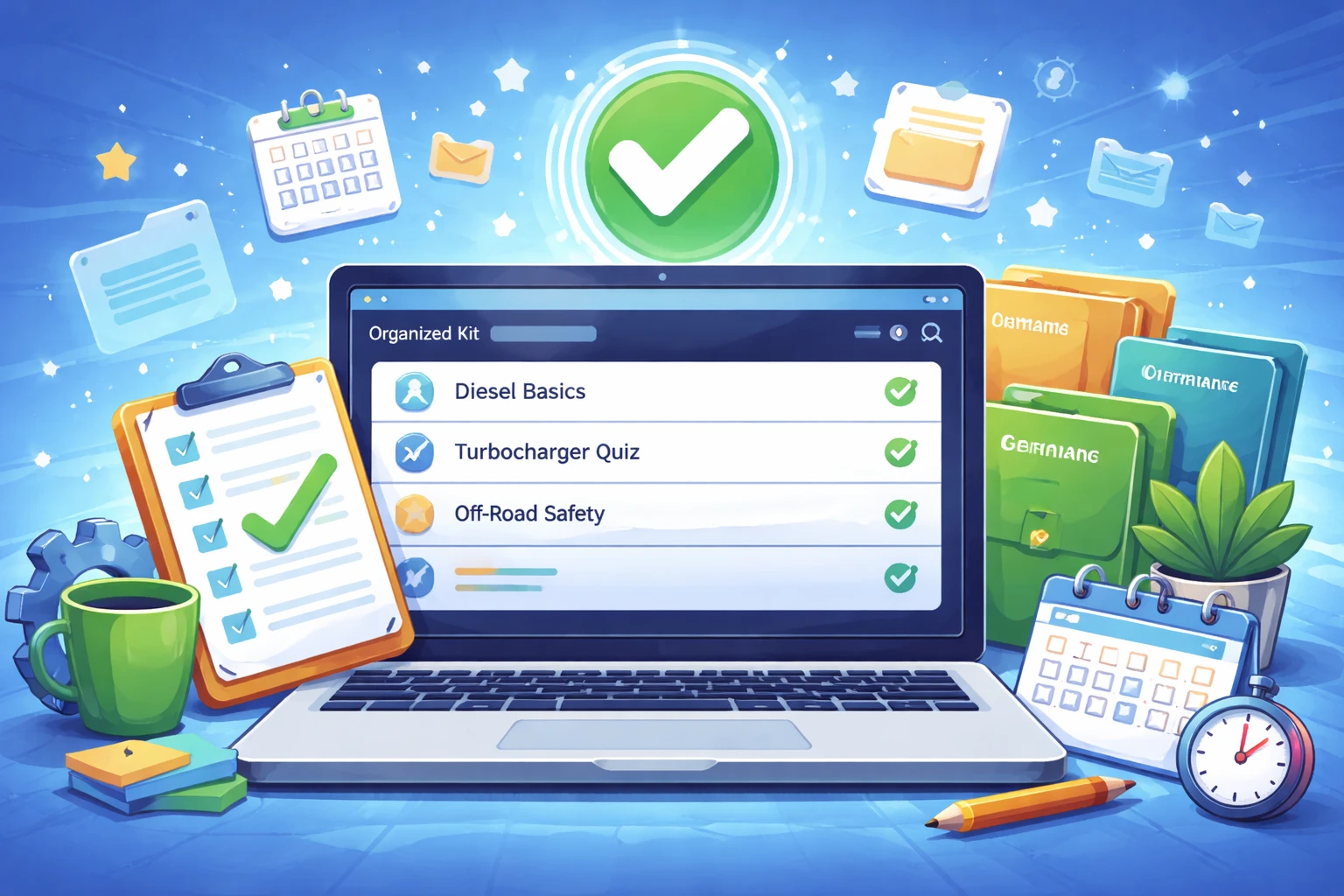
If you’re trying to figure out how to delete kits in Gimkit, you’re not alone. As your library grows, things can get messy quickly. Duplicate kits start piling up. Old quizzes stay on your dashboard even though you never use them anymore. Sometimes you simply create test kits while experimenting and forget to remove them later. Eventually your dashboard becomes cluttered. That’s where learning how to delete kits in Gimkit becomes incredibly helpful.
Whether you’re a teacher, a trainer, or someone running knowledge quizzes for a community like Explosive Diesels, keeping your content library organized saves time and prevents mistakes. A clean kit library also makes it easier to find the quizzes you actually want to use. In this guide, we’ll walk through how to delete kits in Gimkit step-by-step, explain when deleting a kit makes sense, and share practical strategies for organizing your kits so your dashboard stays clean and easy to manage.
Let’s jump in.
What Is Gimkit?
Before learning how to delete kits in Gimkit, it’s helpful to understand how the platform works. Gimkit is a game-based learning platform designed to make quizzes interactive and engaging. Instead of simply answering questions on a worksheet, players answer questions inside a game environment where they earn virtual currency and compete with others. The platform has become popular because it combines learning with competition.
Teachers use it in classrooms. Trainers use it in professional development. Online communities use it to share knowledge in a fun way. Research from the U.S. Department of Education suggests that interactive learning tools can increase engagement and improve knowledge retention when used effectively. And at the center of every Gimkit game is one core element.
A kit.
What Are Kits in Gimkit?
A kit is essentially a set of questions and answers used to run a game session. You can think of it as a topic-based question bank.
Inside a kit you may include:
- Multiple-choice questions
- Short-answer questions
- Images or diagrams
- Topic-specific content
For example, a training community focused on trucks or engines might build kits covering topics such as:
- Diesel engine components
- Turbocharger basics
- Off-road recovery techniques
- Shop safety procedures
Every time you start a game in Gimkit, the platform pulls questions from one of these kits. That’s why learning how to delete kits in Gimkit becomes important once your kit library begins to grow.
Why You Might Need to Delete Kits in Gimkit
Many users eventually discover their kit library is full of content they no longer need. Knowing how to delete kits in Gimkit helps you maintain a clean workspace. Here are some of the most common reasons people remove kits.
Cleaning Up Your Dashboard
Over time you may create dozens of kits. Some are used frequently. Others become outdated or forgotten. Deleting unused kits helps keep your dashboard organized and easy to navigate.
Removing Duplicate Kits
Duplicate kits happen more often than people realize.
You might:
- Copy a kit to make edits
- Import the same kit twice
- Create new versions while testing
Eventually you may end up with several nearly identical kits. Deleting the duplicates simplifies your library.
Removing Outdated Information
Information changes over time. For example, diesel engine technology has evolved significantly as emissions standards and efficiency improvements have shaped engine design. The fundamental operation of these systems is explained in the Diesel engine overview. If a kit contains outdated information, deleting it ensures learners only access accurate content.
Simplifying Your Workflow
A cluttered dashboard slows you down. When you only keep the kits you actually use, launching games and finding quizzes becomes much faster.
Before You Delete a Kit: Important Things to Know
Before jumping into how to delete kits in Gimkit, there are a few things you should understand. Deleting a kit is permanent. That means once it’s gone, it’s gone. Here are some important things to check first.
Deletion Cannot Be Undone
Unlike some platforms, Gimkit does not include a recycle bin. Once a kit is deleted, it cannot be restored. If you think you might need the content later, duplicate the kit first.
Check If the Kit Is Active
If a kit is currently being used in a live game or assignment, deleting it could interrupt the session. Always verify that the kit is not currently active.
Review Shared Access
If you share kits with collaborators, deleting a kit may affect other users. Make sure nobody else still needs the content.
Consider Creating a Backup
If your kit contains important questions, copy them into a document before deleting the kit. That way you still have access to the material later.
Step-by-Step: How to Delete Kits in Gimkit
Now let’s go through the exact process. Here is how to delete kits in Gimkit step by step.
Step 1: Log Into Your Gimkit Account
First, visit the Gimkit website and sign in to your account. Once you log in, you’ll arrive at your dashboard. This is where your kits are stored.
Step 2: Navigate to the Kits Library
Look at the navigation menu on the left side of the screen.
Click “Kits.”
This opens your full kit library.
Here you’ll see a list of all kits you have created or imported.
Step 3: Locate the Kit You Want to Delete
Scroll through the list or use the search bar to find the kit you want to remove. Large libraries may contain dozens of kits, so searching by keyword can help you locate the right one quickly.
Step 4: Open the Options Menu
Next to the kit name, you will see a three-dot menu. Click this menu. A list of options will appear.
Typical options include:
- Edit kit
- Duplicate kit
- Export kit
- Delete kit
Step 5: Select “Delete Kit”
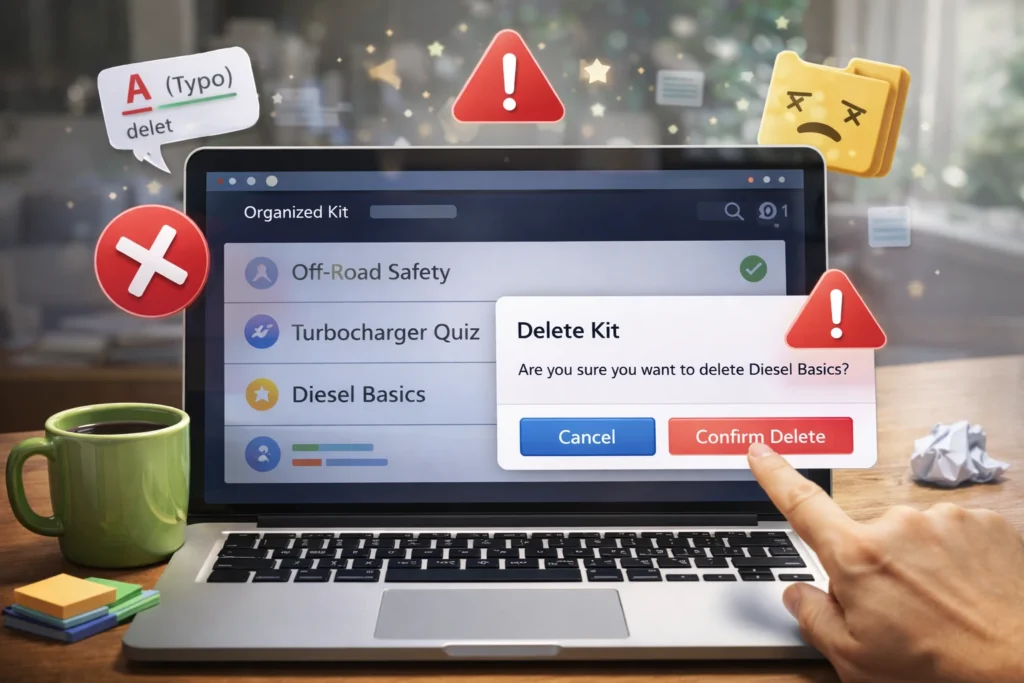
Click the Delete Kit option. At this point, Gimkit will display a confirmation prompt asking if you are sure you want to remove the kit.
Step 6: Confirm the Deletion
Click Confirm Delete. Once confirmed, the kit will be permanently removed from your library. You have now successfully learned how to delete kits in Gimkit.
Step 7: Verify the Kit Is Gone
Refresh your kit library or search for the kit name. If the deletion worked properly, the kit will no longer appear.
Quick Reference Table
Here’s a simple summary of how to delete kits in Gimkit.
| Step | Action |
| 1 | Log into Gimkit |
| 2 | Open the Kits tab |
| 3 | Find the kit |
| 4 | Click the three-dot menu |
| 5 | Select Delete Kit |
| 6 | Confirm deletion |
| 7 | Verify removal |
Keeping this checklist handy can help if you forget the steps later.
How to Delete Multiple Kits in Gimkit
If your dashboard contains many unused kits, you may want to remove several. Currently, Gimkit does not support bulk deletion. However, you can still clean up your library efficiently by following a structured workflow.
Recommended Cleanup Process
- Review your entire kit list
- Identify duplicate kits
- Delete outdated content
- Keep only the most current versions
Taking your time prevents accidental deletions.
When Editing a Kit Is Better Than Deleting
Sometimes deleting a kit isn’t the best option. Editing the existing kit may be the smarter solution.
Minor Question Errors
If the kit only contains small issues like typos or unclear wording, simply edit the questions. This saves time compared to rebuilding the entire kit.
Updating Technical Information
Sometimes only a few details need updating.
For example:
- Updated engine specifications
- Revised procedures
- New training guidelines
Instead of deleting the entire kit, update the relevant questions. For instance, if you run training quizzes related to truck performance or aftermarket upgrades, your kits may include comparison topics like “Angle Cut vs Rolled Edge Dual Diesel Exhaust Tips.” When information changes or new styles become popular, updating the existing quiz questions is usually better than deleting the entire kit.
Maintaining Training History
Some trainers keep older versions of quizzes to track improvement over time. Deleting those kits would remove useful records.
Troubleshooting: Why You Can’t Delete a Kit
Occasionally users encounter issues while learning how to delete kits in Gimkit.
Here are some common reasons.
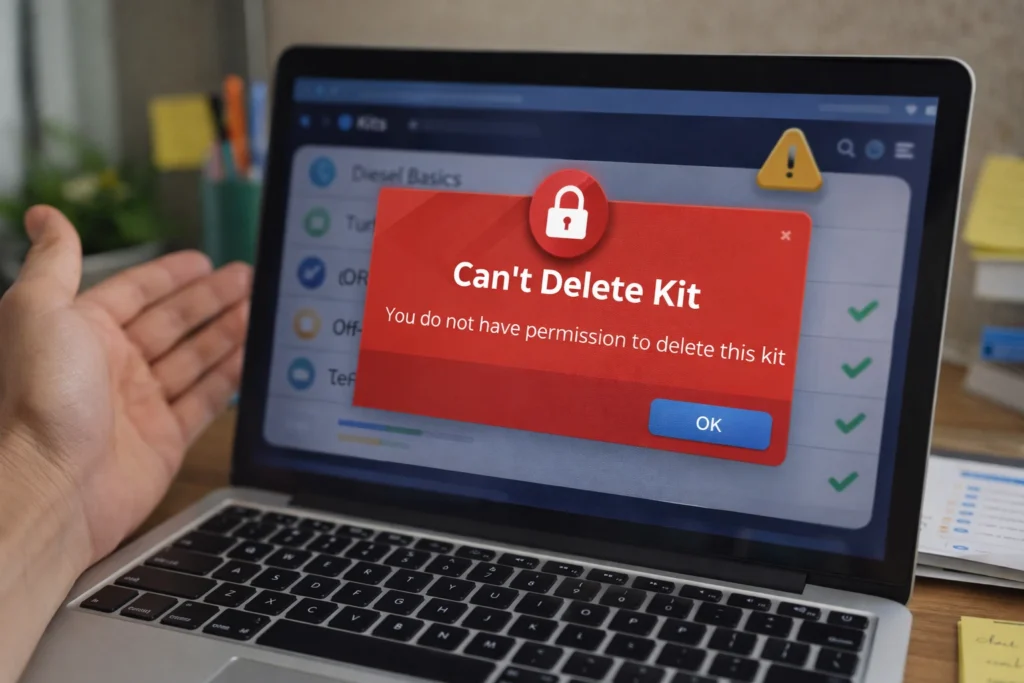
Permission Restrictions
You may not have permission to delete a kit if it belongs to another user or organization.
Shared Kits
Collaborative kits sometimes require approval before removal.
School or Organization Accounts
Institutional accounts may restrict certain actions.
Temporary Platform Issues
If the delete option doesn’t work, try:
- Refreshing the page
- Logging out and back in
- Clearing your browser cache
Most problems resolve quickly.
Best Practices for Managing Gimkit Kits
Knowing how to delete kits in Gimkit helps with cleanup, but good organization prevents clutter in the first place. Here are some best practices.
Use Clear Naming Conventions
Give every kit a descriptive name.
Examples include:
- Diesel Engine Basics Quiz
- Turbocharger Components Test
- Shop Safety Training
Clear names help you locate the correct kit quickly.
Organize Kits by Topic
Grouping kits by subject keeps your library structured.
Possible categories include:
- Engine Systems
- Performance Upgrades
- Shop Procedures
- Off-Road Safety
This structure helps you manage large collections.
Schedule Regular Reviews
Review your kit library once a month.
During each review:
- Delete unused kits
- Update outdated questions
- Rename unclear kits
Small maintenance prevents large problems.
Using Gimkit for Automotive and Diesel Training
Although Gimkit is widely used in schools, it can also be useful for technical communities. For example, a diesel enthusiast group could create quiz kits covering topics such as:
Diesel Engine Knowledge
Questions may include:
- Fuel injection systems
- Turbocharger operation
- Exhaust system design
Shop Safety Training
Quizzes could reinforce important practices like:
- Proper tool use
- Equipment safety
- Hazard awareness
Off-Road Recovery Techniques
Interactive quizzes may include:
- Winch operation
- Trail recovery methods
- Vehicle stability principles
Gamified learning increases engagement and knowledge retention.
What to Do If You Accidentally Delete a Kit
Mistakes happen. If you accidentally delete a kit while learning how to delete kits in Gimkit, here are a few solutions.
Rebuild the Kit
If the questions were simple, recreating the kit may only take a few minutes.
Import Shared Kits
Many users share public kits that you can import and customize.
Store External Backups
Some users save their questions in spreadsheets or documents. This makes rebuilding kits much easier.
Common Mistakes When Deleting Kits
Avoid these common errors.
Deleting the Wrong Kit
Always double-check the kit name before confirming deletion.
Removing Active Kits
Deleting a kit still used in games or assignments can interrupt sessions.
Forgetting to Backup Questions
If the kit required hours of work, saving a backup first is a smart move.
Tips to Keep Your Gimkit Dashboard Organized
Good habits keep your dashboard clean.
Follow these tips:
- Review kits regularly
- Delete unused kits early
- Avoid duplicates
- Use clear naming systems
- Organize topics logically
These small habits keep your library manageable.
Final Thoughts
Learning how to delete kits in Gimkit is a simple but valuable skill. A clean kit library helps you manage quizzes efficiently, avoid confusion, and keep your learning tools organized. The process itself is straightforward.
Log in.
Find the kit.
Open the options menu.
Delete it.
But the real benefit comes from maintaining a well-organized system. Whether you’re managing classroom quizzes, running training programs, or sharing knowledge with communities like Explosive Diesels, a clean and organized kit library keeps everything running smoothly. And sometimes the best upgrade you can make isn’t adding something new. It’s simply removing what you no longer need.
FAQs
A kit in Gimkit is a collection of questions and answers used to run quizzes or learning games on the platform.
Go to your Kits library, click the three-dot menu beside the kit, and select Delete Kit, then confirm the action.
No, once a kit is deleted it cannot be recovered, so it’s best to duplicate or back up the questions first.
Deleting unused kits helps keep your dashboard organized and makes it easier to find the quizzes you actually use.
Currently, Gimkit does not support bulk deletion, so each kit must be deleted individually.
If a kit is being used in an active game or assignment, deleting it may interrupt the session.
If the kit only needs small updates or corrections, editing it is usually better than deleting and recreating it.
You may not have permission if the kit belongs to another user or is managed by a school or organization account.
Yes, duplicating a kit allows you to keep a backup before removing the original.
Reviewing and deleting unused kits once a month helps keep your dashboard organized and easy to manage.