If you’ve spent any time around off-road diesel builds, you’ve heard the phrase Mini Max delete kit tossed around with a mix of curiosity, excitement, and confusion. Some swear by it. Others misunderstand it completely. And plenty of truck owners still aren’t sure what it actually does or whether it’s worth the investment for their off-road setup.
Let’s fix that.
This guide isn’t hype. It’s not fluff. It’s a grounded, performance-first breakdown of what a Mini Max delete kit really is, how it works, and what you should realistically expect when you install one on an off-road diesel truck. We’ll talk gains, risks, tuning behavior, reliability, and cost without exaggeration. This is how Explosive Diesels approaches performance. Practical. Honest. Built for trucks that work hard off the pavement.
Why Mini Max Delete Kits Took Off in the Off-Road World
Modern diesel trucks are incredible machines. Powerful. Efficient. Durable. But emissions systems changed the game. DPFs clog. EGR systems recirculate hot exhaust back into the engine. Throttle valves restrict airflow. All of it works toward emissions compliance but not toward performance or longevity when a truck lives off-road.
That’s where delete tuning entered the picture.
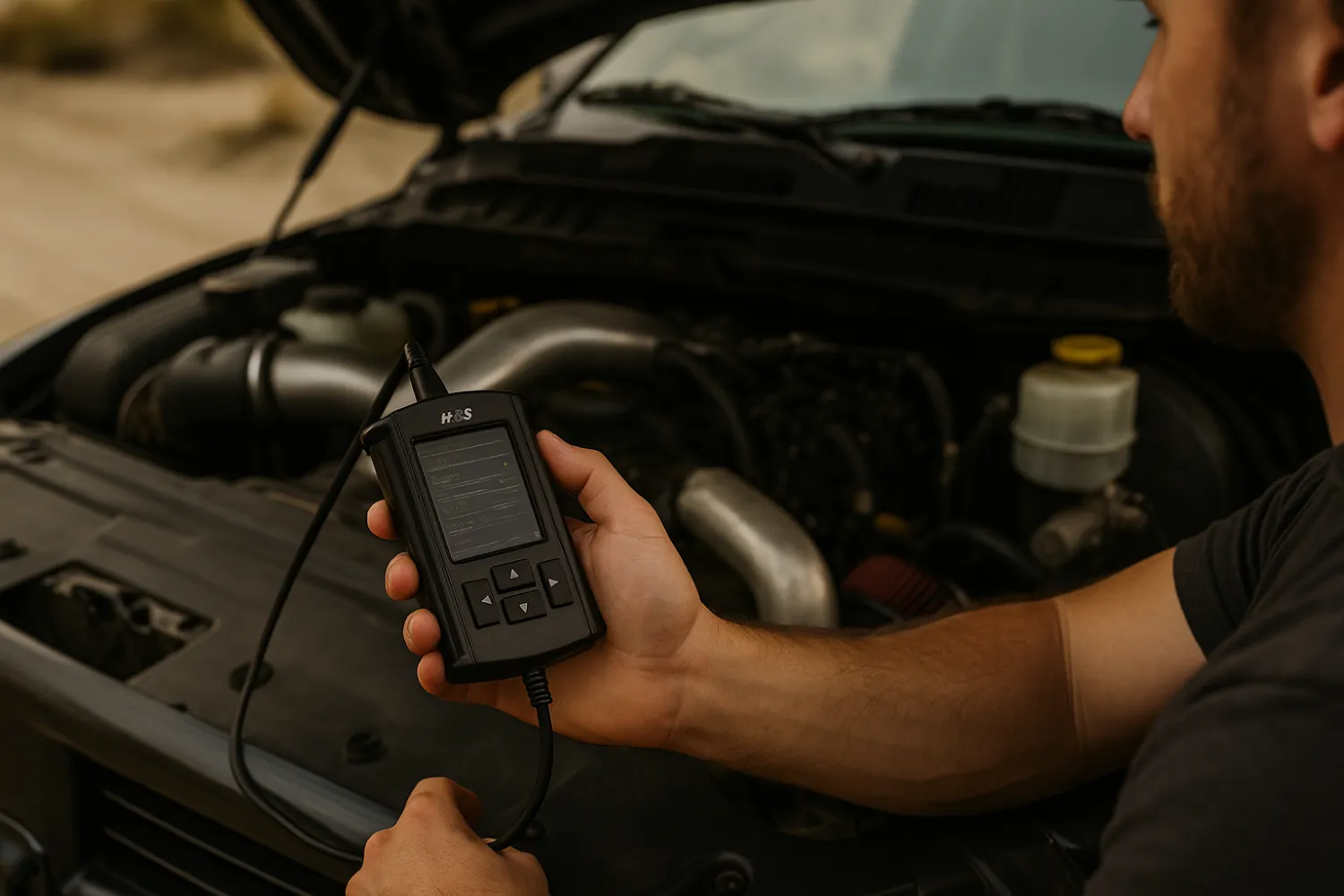
The Mini Maxx tuner, commonly paired with delete hardware, became popular because it offered something many off-road owners wanted: simple control, visible data, and noticeable gains without needing a laptop or custom tuning session. For many builds, a Mini Max delete kit became the gateway modification. Not because it was extreme but because it was accessible.
What a Mini Max Delete Kit Actually Is (And What It Isn’t)
Let’s clear up the biggest misconception right away.
A Mini Max delete kit is not a single boxed product with everything inside.
Instead, it’s a combination of tuning and hardware:
- The Mini Maxx tuner (the brain)
- Physical delete components (the muscle)
The tuner manages fueling, timing, and engine behavior, while the hardware removes emissions-related restrictions. Together, they allow the engine to operate without emissions interference for off-road use only. Modern emissions systems such as diesel particulate filters (DPFs) and exhaust gas recirculation (EGR) were designed to reduce particulate matter and nitrogen oxide output, not to enhance engine performance. The DPF, for example, traps soot and periodically burns it off through regeneration cycles, which increases exhaust temperatures and exhaust backpressure. A technical overview of how diesel particulate filters function.
In off-road applications, removing this restriction allows exhaust gases to exit more freely, which is why engines often run cooler and respond faster once a Mini Max delete kit is installed and tuned correctly. What a Mini Max delete kit does not do is guarantee reliability or horsepower on its own. That still depends on how the truck is built and how it’s driven.
Components Typically Included in a Mini Max Delete Setup
Because setups vary by engine platform, there’s no universal package. That said, most Mini Max delete kit configurations include the following components.
Core Components
- Mini Maxx tuner with vehicle-specific wiring harness
- Preloaded or compatible delete tuning
- Mounting hardware and display bracket
Common Delete Hardware
- EGR delete kit (block-off plates, coolant reroute)
- DPF delete pipe or race pipe
- Exhaust system or straight pipe
- Sensors or sensor simulators
- Gaskets, clamps, and supporting hardware
| Component | Purpose |
|---|---|
| Mini Maxx tuner | Controls fueling, timing, diagnostics |
| EGR delete | Removes exhaust recirculation heat |
| DPF delete | Eliminates backpressure |
| Exhaust upgrade | Improves flow and sound |
| Sensors/block-offs | Prevents fault codes |
Not every truck requires every component. Platform compatibility matters.
Vehicles Commonly Using a Mini Max Delete Kit
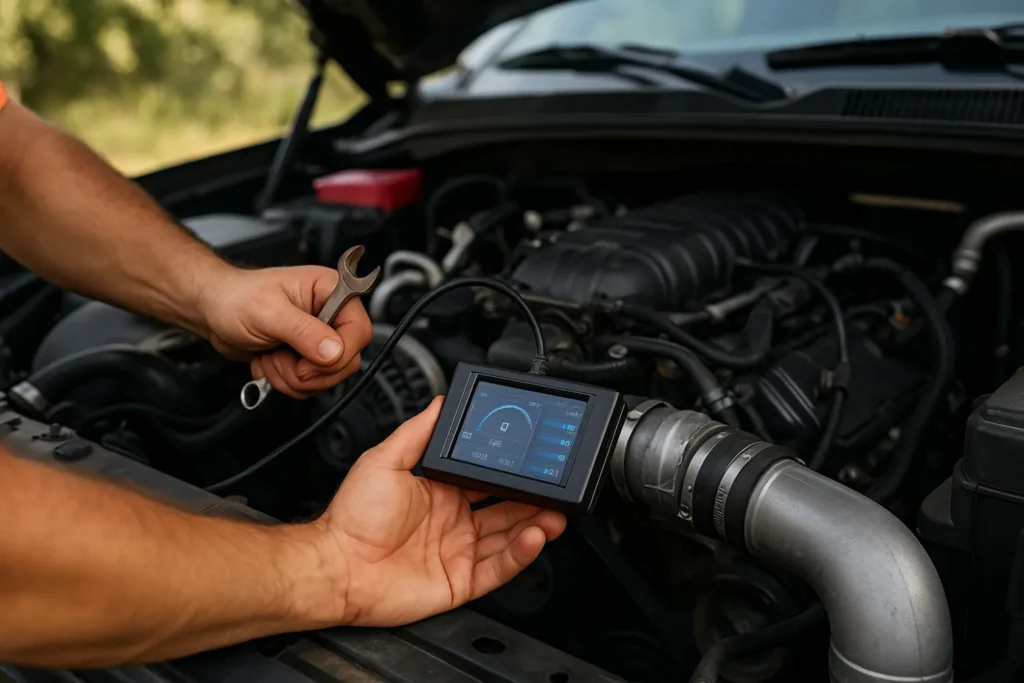
The Mini Max delete kit gained traction largely because of its compatibility with popular diesel platforms.
Common Applications
- 5.9L Cummins
- 6.7L Cummins (earlier ECM generations)
- 6.4L Powerstroke
- Select Duramax platforms
Some engines respond extremely well because they were heavily restricted from the factory. Others require additional supporting modifications to remain reliable under higher output. Always verify ECM compatibility before committing to a build.
How a Mini Max Delete Kit Improves Performance
This is where expectations must stay grounded. A Mini Max delete kit doesn’t turn a work truck into a race truck overnight. What it does is remove restrictions and allow the engine to operate more efficiently.
Real-World Performance Gains
- Faster throttle response
- Stronger mid-range torque
- Reduced turbo lag
- Lower exhaust gas temperatures
- Smoother power delivery
Horsepower gains vary by platform and tune level, but many off-road setups see 60–120 horsepower increases, with torque gains that matter far more than peak numbers. The truck feels lighter. More responsive. Less strained under load.
Fuel Economy Expectations After a Mini Max Delete
Fuel economy is one of the most misunderstood aspects of delete tuning.
Yes, many trucks experience improved MPG after installing a Mini Max delete kit. But that improvement comes from efficiency not magic.
Mileage improves because:
- Exhaust backpressure is reduced
- Regeneration cycles disappear
- Combustion becomes more consistent
Your driving habits still matter most.
Typical real-world results:
- Highway driving: +1 to +3 MPG
- Mixed use: +0.5 to +2 MPG
Aggressive tuning levels can eliminate these gains quickly.
Understanding Mini Max Tuning Levels
Most Mini Maxx tuners offer multiple power levels. Names vary, but the structure is consistent.
Common Tune Categories
- Stock / Mild – Factory-like behavior with smoother delivery
- Tow – Balanced torque with EGT control
- Performance – Noticeable power increase
- Extreme – Maximum output, higher stress
Higher power isn’t always better.
For off-road rigs that tow, crawl, or work, moderate tuning levels usually deliver the best balance of performance and longevity.
Supporting Mods That Pair Well with a Mini Max Delete Kit
This is where many builds succeed or fail.
A Mini Max delete kit unlocks potential. Supporting modifications keep things reliable.
Recommended Supporting Mods
- Free-flowing exhaust
- Cold air intake
- Transmission tuning or clutch upgrades
- Cooling system improvements
- Boost and EGT monitoring
Skipping supporting mods doesn’t always cause immediate damage, but long-term stress adds up.
Installation Overview: What to Expect
Installing a Mini Max delete kit isn’t overly complex, but it requires attention to detail.
Typical Installation Timeline
- Hardware removal: 3–6 hours
- Exhaust install: 1–2 hours
- Tuner setup and flashing: 30–60 minutes
Common Installation Mistakes
- Selecting the wrong tune
- Improper sensor connections
- Skipping coolant rerouting steps
- Ignoring firmware instructions
Slow down. Read everything. The ECM is not forgiving.
Reliability and Long-Term Ownership
This is where opinions get loud and often inaccurate.
When installed correctly, a Mini Max delete kit can actually reduce long-term engine stress by lowering EGTs and eliminating excessive backpressure.
Reliability depends on:
- Tune selection
- Supporting modifications
- Driving behavior
- Maintenance habits
Aggressive tunes without supporting mods shorten component life. Conservative tuning extends it.
Common Problems and Troubleshooting
Most Mini Max issues stem from setup errors rather than hardware failure.
Common Problems
- Limp mode after flashing
- Check engine lights
- Incorrect sensor data
- Transmission slip on high-power tunes
Prevention Checklist
- Confirm compatibility
- Start with low power levels
- Monitor EGTs and boost
- Keep firmware updated
If something feels wrong, stop and diagnose.
Legal Reality: Off-Road Use Only
This part matters.
Emissions systems are regulated at the federal level in the United States. The Environmental Protection Agency (EPA) enforces rules under the Clean Air Act that prohibit removing or tampering with emissions equipment on vehicles intended for public-road use. The EPA outlines its enforcement authority clearly on its official website.
This is why Mini Max delete kit setups are intended strictly for off-road or competition vehicles, and why Explosive Diesels emphasizes responsible, informed use when discussing delete tuning.
Mini Max Delete Kit vs Other Tuning Options
The Mini Max delete kit isn’t the only solution available.
| Option | Strength |
|---|---|
| Mini Maxx | Simple, all-in-one control |
| EFI Live | Custom tuning flexibility |
| EZ Lynk | Cloud-based updates |
| Custom dyno tuning | Maximum precision |
Mini Max excels at accessibility. Custom tuning excels at refinement.
Cost Breakdown: What a Mini Max Delete Setup Really Costs

| Item | Estimated Cost |
|---|---|
| Mini Maxx tuner | $800–$1,200 |
| Delete hardware | $500–$1,500 |
| Exhaust | $300–$1,000 |
| Supporting mods | Varies |
| Labor (optional) | $500–$1,500 |
Budget builds exist. Premium builds tend to last longer.
Is a Mini Max Delete Kit Worth It?
For the right truck and the right use case yes.
A Mini Max delete kit makes sense when:
- The truck is used off-road
- Reliability matters
- Moderate, usable gains are the goal
- Simplicity is preferred
It’s not for shortcuts. It’s not for ignoring maintenance. It’s for owners who understand their equipment.
Final Thoughts from Explosive Diesels
At Explosive Diesels, we focus on performance that lasts. A Mini Max delete kit can be a powerful tool when used correctly. It can also become a liability when rushed or misunderstood.
Build with intention. Tune responsibly. Support your upgrades. That’s how diesel performance stays explosive long after the install is done.
FAQs
A Mini Max delete kit combines a Mini Maxx tuner with emissions-delete hardware to remove factory restrictions for improved off-road diesel performance.
No, Mini Max delete kits are intended for off-road or competition use only and are not legal for vehicles driven on public roads in the United States.
Depending on the platform and tune level, many off-road setups see gains between 60 and 120 horsepower.
Fuel economy often improves by 1–3 MPG with conservative tuning, though aggressive driving can eliminate those gains.
Yes, towing is possible when using tow-specific tunes and proper supporting modifications to control exhaust temperatures.
Yes, removing the DPF and EGR typically lowers exhaust gas temperatures by reducing heat and backpressure.
Supporting mods like exhaust upgrades, transmission tuning, and EGT monitoring are strongly recommended for reliability and longevity.
In most cases, yes, if all factory emissions components are retained and the original tuning is reinstalled.
Most issues come from incorrect tune selection, sensor errors, or skipping installation steps rather than hardware failure.
The Mini Max delete kit offers simplicity and ease of use, while custom tuning provides more precise control for highly modified builds.