

The first time I ran a truck with an SOTF switch, everything clicked. One small adjustment inside the cab and the entire personality of the truck changed. Calm and controlled when towing. Responsive and confident when empty. Aggressive when conditions allowed. That flexibility is exactly why the SOTF switch has earned its place in serious off-road diesel builds.
Shift On The Fly tuning isn’t about chasing the biggest number. It’s about control. It’s about having the right amount of power at the right time without constantly reflashing or committing to a single compromise tune. If you’re building a diesel that works as hard as it plays, understanding how an SOTF switch works—and how to use it correctly matters.
This guide breaks it all down, step by step, with real-world insight from the off-road diesel world.
What Is an SOTF Switch?
SOTF stands for Shift On The Fly. An SOTF switch allows you to change between multiple engine tunes while the truck is running, without shutting it off or reprogramming the ECM every time.
Instead of locking your truck into one tune, you get several. Each tune is calibrated for a specific purpose—towing, daily driving, reduced power, or performance. The switch inside the cab tells the truck which tune to use.
That’s it. Simple in concept. Powerful in execution.
Why Shift On The Fly Tuning Matters in Real Driving
Diesel trucks live dynamic lives. One minute they’re pulling weight. The next they’re empty and cruising. Terrain changes. Load changes. Conditions change.
A single tune forces you to compromise across all of that.
An SOTF switch removes the compromise.
Instead of running too much power when towing—or not enough when unloaded—you adapt instantly. That adaptability is the real performance advantage of Shift On The Fly tuning.
How an SOTF Switch Actually Works
At the center of everything is the engine control module. The ECM manages fuel delivery, timing, boost behavior, torque limits, and throttle response. Every tune you load into your truck is essentially a different set of instructions stored inside that module.
The SOTF switch connects directly to the ECM through a dedicated input. Each position on the switch corresponds to a different tune slot already programmed into the truck.
When you rotate the dial or change the switch position:
- The ECM detects the signal
- It selects the associated tune
- That tune becomes active immediately
No shutdown. No reflashing. No delay.
If you want a deeper technical understanding of how the ECM functions and why it can support multiple calibration files at once, Wikipedia provides a solid foundational explanation of the engine control unit and its role in modern vehicles.
That underlying architecture is what makes Shift On The Fly tuning possible in the first place.
Types of SOTF Switches

Not all switches are built the same, and the design affects how you use them.
Rotary Dial SOTF Switches
These are the most common option in off-road diesel trucks.
They usually offer five or six positions, making it easy to step up or down in power gradually. Visual feedback is immediate, and the layout feels intuitive.
Toggle or Push-Button Switches
Simpler by design and usually limited to fewer tune options. They work well in minimalist builds but lack the flexibility of rotary dials.
Digital or Screen-Based Controls
Some tuners allow switching through a handheld device or app. Clean look. Less wiring. But still dependent on software stability and screen access.
For most drivers, a physical rotary SOTF switch remains the most reliable and user-friendly choice.
SOTF Switch vs Single Tune: A Practical Comparison
Here’s where things become clear.
| Feature | Single Tune | SOTF Switch |
| Adaptability | Low | High |
| Towing Control | Limited | Dedicated |
| Power Management | Fixed | Adjustable |
| Driver Input | None | Full |
| Learning Curve | Minimal | Moderate |
A single tune works when your truck does one job. Many trucks don’t.
Common Tune Levels Used With an SOTF Switch
Most setups follow a logical progression.
- Stock / Reduced Power: Ideal for cold starts or troubleshooting
- Tow Tune: Controlled fueling and torque for pulling weight
- Daily Driver: Balanced response and drivability
- Performance: Sharper throttle and stronger acceleration
- Max / Race (Off-Road): Aggressive output for competition or controlled environments
More power isn’t always better. Smart builds prioritize usable power.
Vehicles That Commonly Run an SOTF Switch
Shift On The Fly tuning is popular across major diesel platforms.
- Duramax: LB7 through LML platforms commonly support SOTF with EFI Live and EZ Lynk
- Cummins: Both 5.9L and 6.7L engines respond exceptionally well to tune switching
- Powerstroke: Seen primarily in off-road-focused 6.7L builds
Compatibility depends on ECM architecture and tuning platform, so verification is essential.
Off-Road Use and Legal Reality
Most SOTF switch setups are marketed strictly for off-road use. That includes competition vehicles, farm trucks, and non-public-road applications.
In the United States, emissions regulations are enforced at the federal level, and they apply primarily to vehicles operated on public roads. The Environmental Protection Agency outlines how the Clean Air Act applies to vehicle modifications and enforcement actions, including distinctions between on-road and competition use.
For official guidance straight from the source, the EPA provides detailed enforcement information here.
At Explosive Diesels, the focus is education and responsible off-road performance not street misuse.
Real Performance Benefits You Can Feel
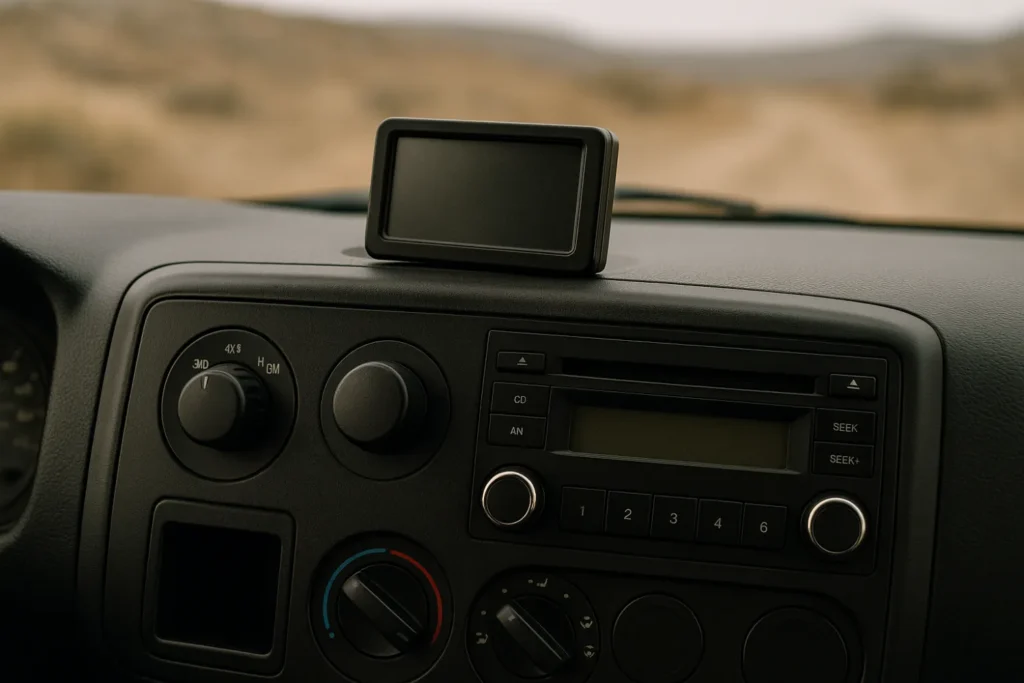
This is where Shift On The Fly tuning earns its reputation.
An SOTF switch doesn’t magically add horsepower. It gives you control over when and how power is applied.
Benefits include:
- Better throttle behavior when towing
- Reduced transmission stress in daily driving
- Stronger acceleration when unloaded
- Improved drivability across changing terrain
- Less temptation to run max power constantly
Control beats brute force every time.
Potential Downsides and Risks
There are risks if you ignore best practices.
- Switching tunes under heavy throttle
- Running aggressive power without transmission support
- Poorly written tuning files
- Cheap hardware or sloppy wiring
An SOTF switch amplifies the quality of your tuning good or bad.
How to Use an SOTF Switch Correctly
This matters more than most people realize.
Best practices:
- Switch tunes at idle or steady cruise
- Avoid switching under wide-open throttle
- Use lower power levels for cold starts
- Match tune choice to load and conditions
Used correctly, SOTF setups are extremely reliable.
Installation Overview
Most installations are straightforward.
- Plug-and-play harnesses are common
- Switch mounts inside the cab
- Wiring routes through the firewall
- Typical install time: 30–60 minutes
DIY is common, but professional installation adds peace of mind.
SOTF Switch Compatibility With Tuners
Not all tuners support Shift On The Fly.
Common platforms that do:
- EFI Live AutoCal
- EZ Lynk
- MM3
- Mini Maxx
- RaceMe
Always confirm compatibility before purchasing hardware.
Choosing the Right SOTF Setup
Ask the right questions:
- Is the transmission stock or built?
- What supporting mods are installed?
- How often does the truck tow?
Build around your weakest link. That’s how reliability is preserved.
Maintenance and Long-Term Reliability
Small details keep SOTF systems dependable.
- Protect wiring from heat and moisture
- Secure the switch against vibration
- Update tuning as mods change
- Address issues early
Simple habits go a long way.
Common Myths About SOTF Switches
- You can switch anytime — not true
- More tunes mean more power — not necessarily
- SOTF switches ruin engines — bad tuning does
- They replace good driving habits — they don’t
The switch is a tool. Use it wisely.
Is an SOTF Switch Worth It?
For many off-road diesel owners, yes.
It makes sense if your truck:
- Tows and daily drives
- Faces changing terrain
- Needs controlled performance
It may not be ideal if:
- The truck never changes roles
- Simplicity is your top priority
Final Thoughts
A properly set up SOTF switch doesn’t make your truck reckless. It makes it adaptable.
It lets you apply power responsibly, protect components, and enjoy performance without constant compromise. That balance—power with control—is exactly what Explosive Diesels stands for.
Once you experience Shift On The Fly tuning done right, it’s hard to imagine driving without it.
FAQs
SOTF stands for Shift On The Fly, which means you can change between multiple engine tunes while the truck is running.
Most SOTF switches control five or six tune levels, depending on the tuning platform and ECM compatibility.
Yes, but you should only switch at idle or light throttle to avoid unnecessary stress on the engine or transmission.
The switch itself does not add power; it allows you to select between different tuning files that already contain horsepower changes.
When used correctly with quality tuning, SOTF switches are safe and commonly used in daily-driven off-road diesel trucks.
Yes, many setups include a dedicated tow tune designed to manage heat, torque, and drivability while pulling loads.
No, support depends on the truck’s ECM and the tuning platform being used, so compatibility should always be confirmed first.
Improper use, excessive power levels, or lack of transmission tuning can increase wear, especially on stock transmissions.
Most SOTF switch setups are intended for off-road use only, and legality depends on emissions regulations in your location.
An SOTF switch is worth it if your driving conditions change often and you want better control over power and drivability.