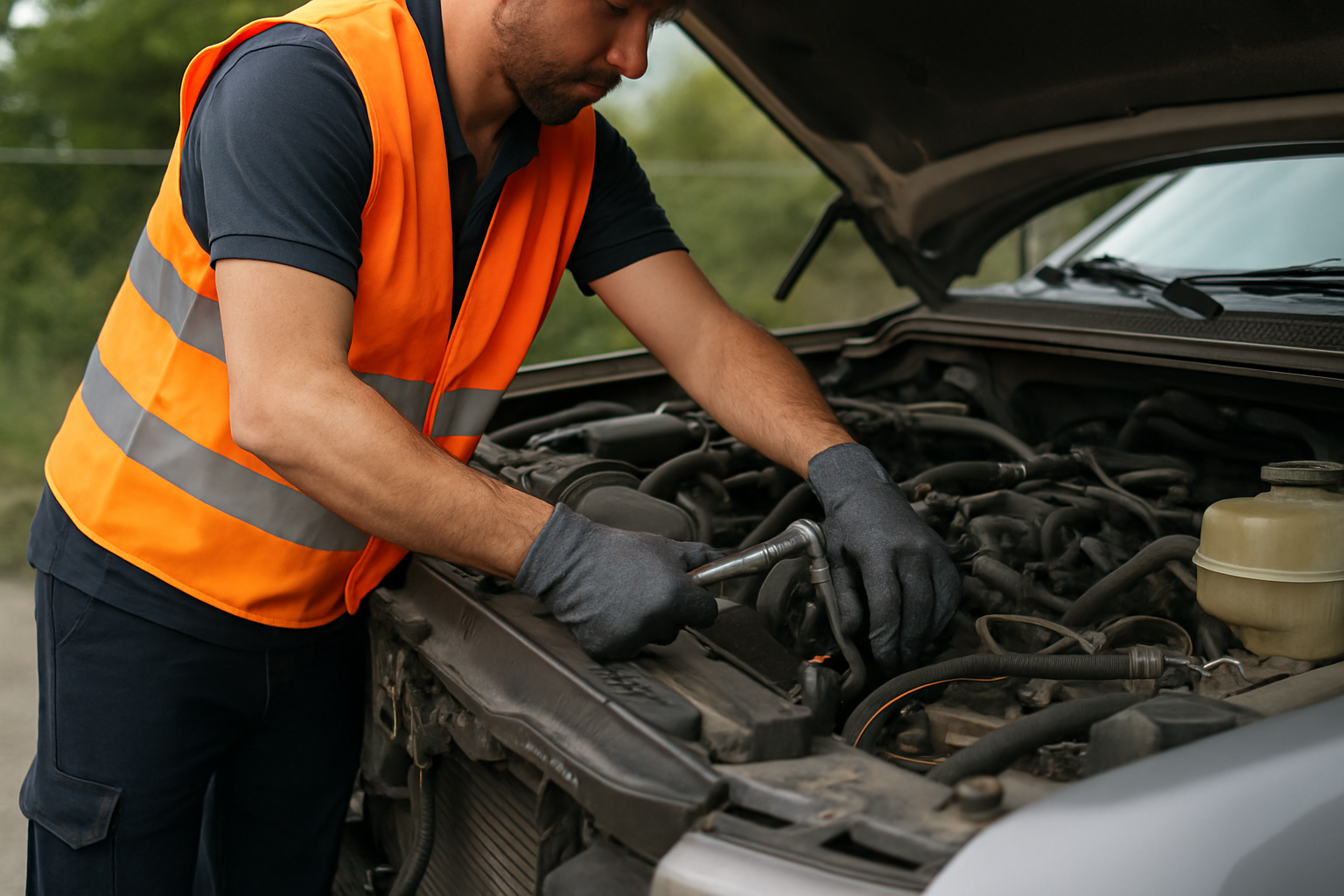
The 6.7L Powerstroke has always been a powerhouse. Yet when you begin exploring the limits of your off-road setup, you quickly discover something surprising the stock emissions system can feel like a bottleneck. That’s exactly why so many enthusiasts obsess over the 2022 Powerstroke delete. It transforms the truck’s personality. It opens up airflow. It trims back heat. It delivers the kind of throttle response that makes you grin every time you roll into the pedal. And on the trails, that difference is unmistakable!
This isn’t just about squeezing out a little extra horsepower, either. It’s about creating a platform that responds predictably under load, runs cooler in extreme terrain, and sidesteps many of the weak points that plague the factory emissions system. Controlling heat, airflow, and combustion efficiency taps directly into principles of thermodynamics, which is essential for managing diesel engine performance in rugged environments. If you’re here on Explosive Diesels, you’re probably chasing every ounce of performance your Powerstroke can give you and you’re in the right place.
Let’s break down exactly what a 2022 Powerstroke delete is, why off-roaders pursue it, what gains you can expect, what risks you need to think about, and how to choose the right components.
I. Understanding the 2022 6.7L Powerstroke: Strong Foundation, Real Limitations
Ford engineered the 2022 Powerstroke with impressive improvements refined turbo geometry, stronger internals, and a calibration aimed at better towing efficiency. But even the most capable diesel engines struggle when emissions hardware gets in the way during heavy off-road conditions.
Where the Emissions System Holds You Back
Here’s the primary emissions equipment installed:
- DPF (Diesel Particulate Filter)
- EGR (Exhaust Gas Recirculation)
- DEF/SCR System
- Multiple sensors and catalysts
These systems were created to meet federal guidelines enforced by agencies such as the U.S. Environmental Protection Agency, which outlines how diesel engines must manage particulate matter, NOx, and other pollutants .
On paper? Great for emissions.
In the real world? Restrictive especially off-road.
The Problems Off-Roaders Face
- Regen cycles happening at the worst possible times
- Clogged DPFs leading to limp mode
- EGR soot buildup choking airflow
- Higher-than-necessary EGTs
- Turbo efficiency losses from added restriction
These issues are exactly why the 2022 Powerstroke delete is so widely adopted by performance-focused drivers.
II. What a 2022 Powerstroke Delete Actually Includes
A full delete system removes or electronically disables emissions components that limit off-road performance.
A. DPF Delete
Removing the DPF improves:
- Exhaust flow
- Turbo spool
- Exhaust temperature stability
B. EGR Delete
Eliminating EGR reduces soot ingestion and lowers operating temps dramatically.
C. DEF/SCR Delete
This simplifies the exhaust system and removes failure-prone sensors and pumps.
D. Off-Road Tuning
The heart of any delete.
A tuner recalibrates:
- Fuel delivery
- Airflow logic
- Torque management
- Throttle response
- Sensor behavior
You cannot perform a 2022 Powerstroke delete without tuning. The truck won’t run correctly.
III. Off-Road Benefits of a 2022 Powerstroke Delete
Let’s dive into what changes in real-world performance once you complete the delete.
1. Power & Torque Gains
The 6.7L engine responds aggressively once freed from restriction.
| Upgrade | Gain |
|---|---|
| Tune only | +60–120 HP / +150–250 lb-ft |
| Full delete | +90–150 HP / +200–300 lb-ft |
2. Lower EGTs
Heat evacuates faster through unrestricted exhaust, preventing engine stress.
3. Fuel Economy Improvements
Typical gains: +2–5 MPG
No more regen cycles burning fuel for no reason.
4. Improved Reliability
Deletes eliminate the most common failure points:
- NOx sensors
- DEF heaters
- DPF cracks
- EGR valve failures
5. Fewer Maintenance Surprises
No more check engine lights tied to emissions components.
IV. Risks & Considerations
Before performing a 2022 Powerstroke delete, understand the implications.
Warranty
A full delete voids your powertrain warranty.
Regulations
Deletes are for off-road use only per federal law.
Tuning Risks
Bad tuning can cause:
- Overfueling
- High EGTs
- Turbo overspeed
- Premature wear
Component Quality Matters
Cheap delete kits may leak, rust, warp, or fit poorly.
V. How to Choose the Right Components
A. Exhaust Systems
Look for:
- Mandrel-bent piping
- High-temp coatings
- Stainless steel construction
B. EGR Delete Kits
Seek:
- CNC block-off plates
- Reinforced coolant reroutes
C. Tuners
Your tuner should offer:
- Multiple power levels
- Real-time monitoring
- Safe off-road calibrations
D. Monitoring Equipment
Essential for longevity:
- EGT
- Boost
- Coolant temp
- Transmission temp
VI. Installation Overview
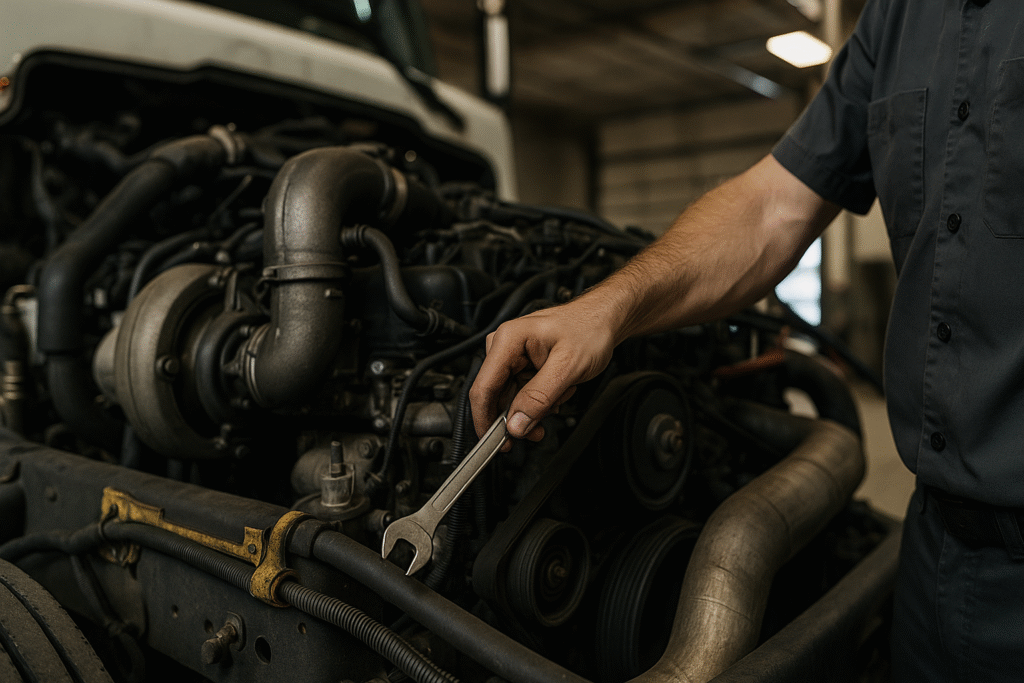
Here’s what the installation process looks like at a high level.
Tools
- Basic hand tools
- Jack stands
- Torque wrench
- Tuner device
Process
- Remove the DPF/SCR system
- Install new piping
- Remove EGR components
- Install block-off plates
- Bypass or remove DEF tank
- Upload the tune
- Perform system checks
Safety
- Let the truck cool fully
- Wear eye protection
- Support exhaust sections before unbolting
VII. Real-World Gains After Deleting
Once completed, the truck feels completely transformed.
Improved Acceleration
Turbo response becomes sharp and immediate.
Better Towing Stability
Lower EGTs give you confidence on long grades.
Enhanced Off-Road Control
Throttle inputs feel more proportional and precise.
Reduced Thermal Stress
Lower heat means longer engine and turbo life.
VIII. Ideal Supporting Mods
Take your 2022 Powerstroke delete to the next level with:
- Upgraded intake system
- Larger intercooler
- High-flow turbo
- Transmission tuning
- Lift pump or fuel system upgrades
These mods maximize airflow and stabilize power delivery.
IX. Myths About Powerstroke Deletes
Let’s dispel a few misconceptions.
Myth 1: Deletes Damage Engines
Not when tuned properly.
Myth 2: You Don’t Need a Tune
A tune is mandatory no exceptions.
Myth 3: All Delete Kits Work the Same
Material quality varies greatly.
Myth 4: MPG Increases Are Massive
Realistic improvements are moderate.
X. Maintenance After Deleting
Maintenance becomes simpler but still important.
Checklist
- Oil changes every 5,000 miles
- Inspect turbo annually
- Check clamps twice a year
- Watch EGTs under load
- Clean air filter frequently
XI. Cost Breakdown
Here is a realistic budget:
| Component | Cost |
|---|---|
| DPF/SCR Delete Pipe | $350–$900 |
| EGR Delete Kit | $150–$350 |
| DEF Bypass Module | $150–$300 |
| Tuner | $600–$1,400 |
| Labor | $600–$1,200 |
Total: $1,800–$4,000
Long-Term Savings
Avoid:
- $2,000–$3,500 DPF replacements
- $400 sensors
- $1,000+ SCR repairs
XII. Is a 2022 Powerstroke Delete Worth It?
For a dedicated off-road truck yes.
You’ll gain:
- Noticeable horsepower
- Cooler operating temps
- Stronger towing performance
- Fewer failure points
- Better throttle control
If you’re chasing off-road reliability and responsiveness, a 2022 Powerstroke delete unleashes the true potential of the 6.7L platform.
Final Thoughts from Explosive Diesels
The 2022 Powerstroke delete is one of the most powerful upgrades available for off-road Powerstroke owners. When matched with the right components, a skilled tuner, and basic supporting mods, the transformation is incredible.
smoother, stronger, more responsive this is the Powerstroke unleashed.
FAQs
A full delete removes or disables the DPF, EGR, SCR/DEF systems, and requires custom tuning to ensure proper engine operation.
Most setups gain 90–150 horsepower depending on the tuner, exhaust, and supporting mods.
Yes, many drivers see a 2–5 MPG increase due to better airflow and the elimination of regen cycles.
Deletes are legal only for off-road vehicles and are not permitted on public roads under federal law.
Yes, any emissions modification immediately voids the factory powertrain warranty.
No, the truck will not operate properly without a tune that disables emissions logic and recalibrates engine parameters.
Most trucks run cooler because exhaust restriction is removed and EGR heat is eliminated.
A professional install usually takes 4–8 hours depending on experience and equipment.
Cheap kits often lead to leaks, poor fitment, and reliability issues, so high-quality components are recommended.
Regular oil changes, turbo inspections, clamp checks, and monitoring EGTs will help maintain long-term reliability.