
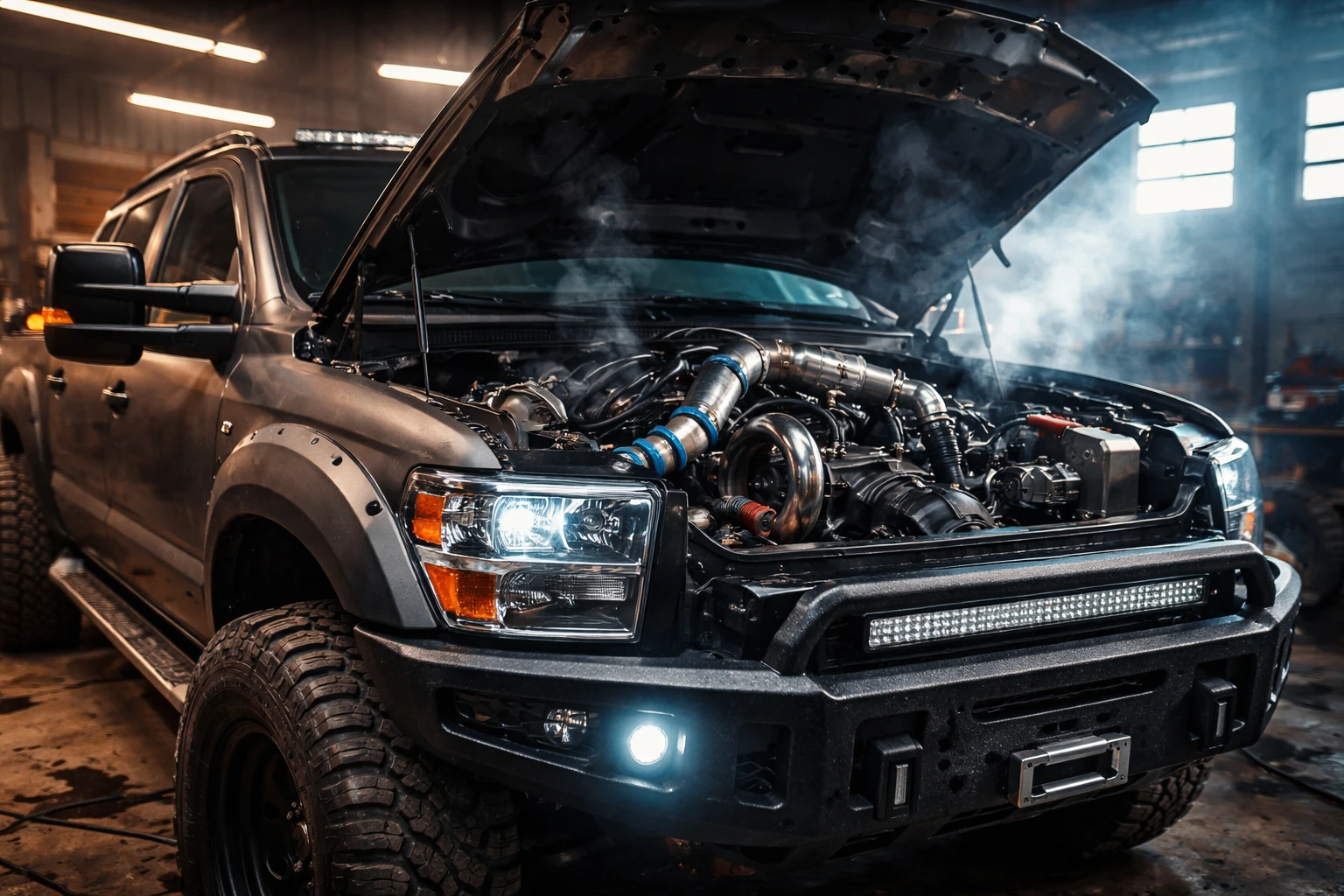
Modern diesel trucks are engineering marvels. They deliver massive torque, impressive towing capability, and durability that gasoline engines rarely match. But there is a catch. Over the last two decades, emissions systems have become increasingly complex. While these systems serve an environmental purpose, they often introduce a new set of mechanical headaches for diesel owners.
This is exactly where common problems solved by diesel delete kits enter the conversation. Many off-road enthusiasts and performance builders look to delete kits as a way to eliminate restrictions, simplify their engines, and restore the raw performance diesel engines are known for. If you run an off-road truck, tow heavy loads, or simply want your diesel engine operating at its full potential, understanding the common problems solved by diesel delete kits can help you make smarter decisions about upgrades and maintenance.
Let’s break down what’s really happening under the hood.
Understanding Modern Diesel Emissions Systems
Before exploring the common problems solved by diesel delete kits, it helps to understand the systems these kits interact with. Modern diesel trucks use several emissions control technologies designed to reduce pollutants. While well-intentioned, they often add complexity.
Diesel Particulate Filter (DPF)
The Diesel Particulate Filter captures soot particles from the exhaust. Over time, the filter fills with soot and must burn it off through a process called regeneration. This process involves extremely high temperatures and additional fuel usage.
Exhaust Gas Recirculation (EGR)
The EGR system recirculates a portion of exhaust gases back into the intake. This lowers combustion temperatures and reduces nitrogen oxide emissions. However, it also introduces soot and carbon into the intake system.
Diesel Exhaust Fluid (DEF) and SCR Systems
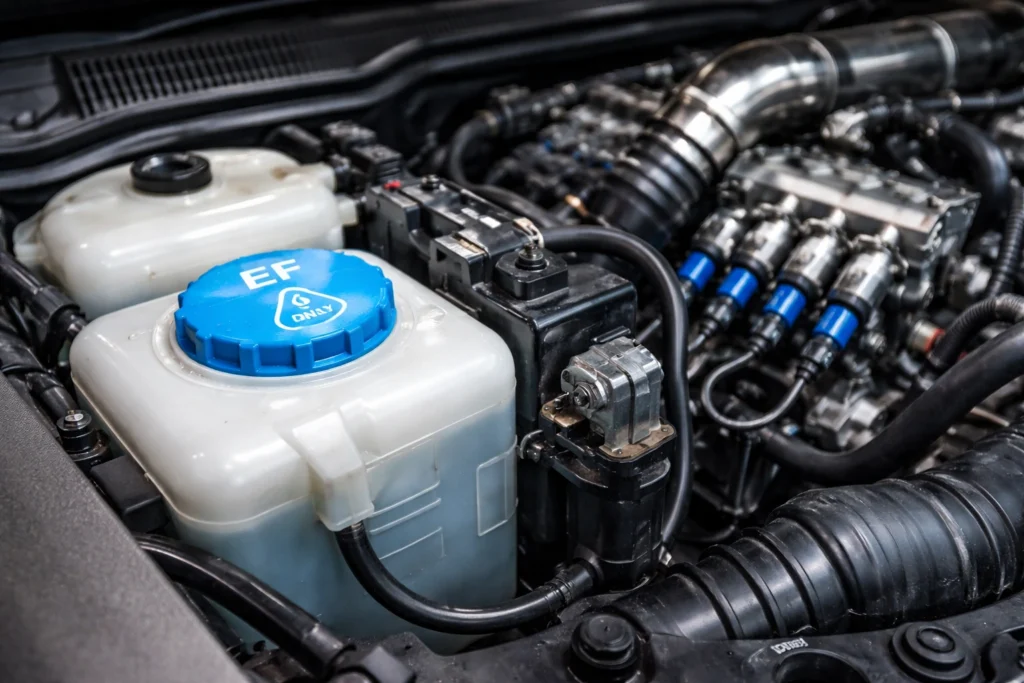
Modern trucks also use Selective Catalytic Reduction systems that rely on DEF fluid to reduce emissions. The system uses sensors, injectors, heaters, and pumps. More parts. More potential failures.
Electronic Monitoring Systems
Modern diesel engines rely on a large network of sensors that constantly monitor emissions systems. If something fails, the truck may trigger warning lights, limit power, or enter limp mode. This is where many diesel owners begin experiencing the common problems solved by diesel delete kits.
Loss of Engine Power
One of the biggest frustrations diesel owners report is reduced power. Diesel engines are designed to breathe freely. When airflow is restricted, performance suffers immediately.
How Emissions Systems Restrict Airflow
The Diesel Particulate Filter creates exhaust back pressure. Over time, soot buildup can further restrict airflow through the system. This restriction slows the turbocharger.
The result?
Sluggish performance.
Signs of Power Restriction
Drivers often notice:
- Slower acceleration
- Reduced throttle response
- Lower towing power
- Turbo lag
Heavy trucks that once felt unstoppable suddenly feel hesitant.
How Delete Kits Restore Performance
One of the most widely discussed common problems solved by diesel delete kits is restoring unrestricted exhaust flow.
When exhaust gases can leave the engine freely:
- The turbo spools faster
- Engine breathing improves
- Horsepower increases
- Torque delivery becomes smoother
For off-road enthusiasts, that difference can be dramatic.
Frequent Regeneration Cycles
DPF regeneration is one of the most frustrating aspects of modern diesel ownership. If you have ever been in the middle of a drive when your truck suddenly increases idle speed or burns extra fuel, you have experienced regeneration.
What Regeneration Actually Does
Regeneration burns off soot trapped inside the Diesel Particulate Filter. The process requires high exhaust temperatures and often injects additional fuel into the system. It works, but it comes with drawbacks.
Problems Drivers Experience
Frequent regeneration can cause:
- Reduced fuel economy
- Increased engine heat
- Interrupted driving cycles
- Excessive fuel consumption
Short city drives can make the situation worse because the engine never reaches the conditions required for proper regeneration.
Eliminating Regeneration Issues
Another one of the common problems solved by diesel delete kits is eliminating the need for regeneration entirely. Without a DPF system in place, soot accumulation no longer triggers regeneration cycles.
That means:
- No forced regen interruptions
- Lower exhaust temperatures
- More consistent engine performance
For trucks used off-road or in demanding environments, this can significantly improve reliability.
Reduced Fuel Economy
Fuel economy is a major concern for diesel owners. Diesel engines are famous for efficiency. But emissions systems can reduce that advantage.
Why Emissions Systems Increase Fuel Usage
DPF regeneration consumes additional fuel. EGR systems can also reduce combustion efficiency by introducing exhaust gases into the intake air. Over time, these factors add up.
Fuel Economy Impact
| Factor | Impact on Fuel Economy |
| Regeneration cycles | Burns additional fuel |
| EGR airflow restrictions | Reduces combustion efficiency |
| Exhaust back pressure | Forces engine to work harder |
| Sensor-triggered engine adjustments | Alters fuel delivery |
The result is often a noticeable drop in miles per gallon.
Efficiency Improvements After Deletes
Among the common problems solved by diesel delete kits, fuel economy improvement is frequently mentioned by diesel enthusiasts.
With improved airflow and fewer restrictions:
- Engines operate more efficiently
- Fuel combustion becomes cleaner
- Turbo systems work more effectively
EGR System Failures
EGR systems are one of the most common sources of diesel engine problems. They work in theory. In practice, they introduce soot and carbon into areas that were never meant to handle it.
Carbon Buildup in the Intake
Exhaust gases contain soot particles. When those gases enter the intake system through the EGR valve, they leave behind carbon deposits.
Over time this can cause:
- Intake clogging
- Reduced airflow
- Sticky EGR valves
- Engine performance issues
Common EGR Failures
Drivers often encounter:
- Stuck EGR valves
- Leaking EGR coolers
- Rough engine performance
- Increased engine deposits
Repairs can be expensive.
Preventing Carbon Buildup
One of the well-known common problems solved by diesel delete kits is eliminating the EGR system entirely.
Without exhaust gases entering the intake:
- Intake systems stay cleaner
- Carbon buildup is reduced
- Airflow improves dramatically
Expensive Emissions System Repairs
Modern diesel emissions components are expensive. Very expensive. Many diesel owners only discover this after their first major failure.
Typical Emissions Repair Costs
| Component | Typical Repair Cost |
| Diesel Particulate Filter | $2,000 – $4,000 |
| EGR Cooler | $800 – $2,500 |
| DEF Pump | $500 – $1,500 |
| NOx Sensors | $300 – $800 each |
| SCR Catalyst | $1,500 – $3,000 |
When multiple components fail, repair bills can quickly escalate.
Downtime and Frustration
Repairs can also take time. Parts shortages, diagnostic delays, and labor-intensive repairs can leave trucks sitting in a shop for days or even weeks.
Simplifying the Engine System
One of the financial common problems solved by diesel delete kits is reducing the number of components that can fail.
Simplifying the engine means:
- Fewer sensors
- Fewer emissions parts
- Reduced maintenance complexity
Limp Mode and Warning Lights
If you drive a modern diesel truck long enough, chances are you will encounter limp mode. It can happen suddenly. And it can ruin a trip instantly.
Why Limp Mode Happens
Modern engines rely on dozens of sensors. If one detects a fault, the engine computer may limit performance to protect emissions systems.
Common triggers include:
- DEF system failures
- Sensor errors
- DPF clogging
- EGR system faults
What Limp Mode Feels Like
Drivers may experience:
- Limited engine speed
- Reduced throttle response
- Speed restrictions
- Warning lights across the dashboard
Addressing Electronic Restrictions
Another of the common problems solved by diesel delete kits involves eliminating problematic emissions sensors and recalibrating engine software through tuning. Many performance enthusiasts combine Diesel Delete Kits and Custom Tuning to optimize airflow, improve fuel delivery, and ensure the engine control unit operates smoothly after emissions components are removed.
Excessive Engine Heat
Heat is the enemy of engine longevity. And emissions systems often increase it.
How Emissions Systems Raise Temperatures
DPF regeneration requires extremely high exhaust temperatures to burn soot. This heat travels through the exhaust system and can affect nearby components.
High exhaust gas temperatures can stress:
- Turbochargers
- Exhaust valves
- Sensors
- Exhaust piping
Risks of Excessive Heat
Prolonged high temperatures can lead to:
- Turbo wear
- Reduced engine lifespan
- Increased cooling system demand
Improving Thermal Efficiency
Among the common problems solved by diesel delete kits, reducing exhaust back pressure often results in lower operating temperatures. Less restriction means exhaust gases leave the engine faster.
Additional Performance Benefits for Off-Road Trucks
Beyond addressing mechanical frustrations, diesel performance enthusiasts often pursue delete kits for additional benefits.
Turbocharger Performance
With reduced exhaust restriction:
- Turbo spool improves
- Boost pressure becomes more consistent
- Acceleration becomes sharper
Stronger Towing Power
Diesel engines thrive under load.
Improved airflow and efficiency can result in:
- Stronger torque delivery
- Better hill-climbing performance
- Improved towing response
Off-Road Consistency
Off-road driving can involve low speeds, steep climbs, and long idle periods. These conditions are not ideal for emissions systems. One of the practical common problems solved by diesel delete kits is maintaining consistent performance in environments where regeneration cycles and sensor errors would otherwise interrupt driving.
Important Considerations Before Installing Delete Kits
Despite the benefits, responsible diesel enthusiasts should approach this topic carefully.
Legal Restrictions
In many regions, emissions modifications are restricted for road vehicles. Delete kits are typically intended for off-road or competition vehicles. The U.S. Environmental Protection Agency explains federal emissions regulations. Understanding these regulations helps truck owners make informed decisions.
Professional Installation Matters
If you decide to modify your diesel truck, professional installation and tuning are essential.
Improper modifications can cause:
- Engine damage
- Poor performance
- Faulty sensor readings
Choosing Quality Components
Not all kits are created equal.
Look for systems that provide:
- Reliable tuning software
- Durable hardware components
- Compatibility with your specific engine platform
Conclusion
Diesel engines are built for strength. But modern emissions systems have introduced complexity that many owners struggle with. When diesel trucks experience power loss, repeated regeneration cycles, sensor errors, and costly repairs, it becomes clear why performance enthusiasts start exploring solutions.
The common problems solved by diesel delete kits include:
- Restricted engine power
- Frequent regeneration cycles
- Reduced fuel economy
- EGR system failures
- Expensive emissions repairs
- Limp mode and warning lights
- Excessive exhaust heat
For off-road diesel builds, eliminating restrictions and simplifying the engine can unlock the performance these machines were originally designed to deliver. At the same time, responsible truck owners should always consider legal requirements, proper installation, and high-quality components before making modifications. Understanding the common problems solved by diesel delete kits helps diesel enthusiasts build trucks that are stronger, more reliable, and ready for the toughest off-road challenges.
FAQs
Diesel delete kits are aftermarket upgrades that remove certain emissions components to improve engine performance and simplify diesel engine systems.
They often address issues like power loss, frequent regeneration cycles, poor fuel economy, EGR failures, and expensive emissions repairs.
Emissions components such as DPF filters create exhaust back pressure, which can reduce airflow and limit engine performance.
Many diesel owners report improved fuel economy because the engine no longer burns extra fuel during regeneration cycles.
DPF regeneration burns soot from the diesel particulate filter using high heat and extra fuel, which can interrupt driving and lower fuel efficiency.
In off-road builds, removing problematic emissions sensors and systems can reduce the likelihood of limp mode caused by emissions faults.
EGR systems send exhaust gases back into the intake, which can lead to carbon deposits that restrict airflow over time.
Yes, many enthusiasts install them on off-road or competition vehicles to improve reliability and performance.
Yes, proper ECU tuning is usually required to ensure the engine operates correctly after emissions components are removed.
No, emissions modifications are restricted in many regions and are typically intended for off-road or competition use only.