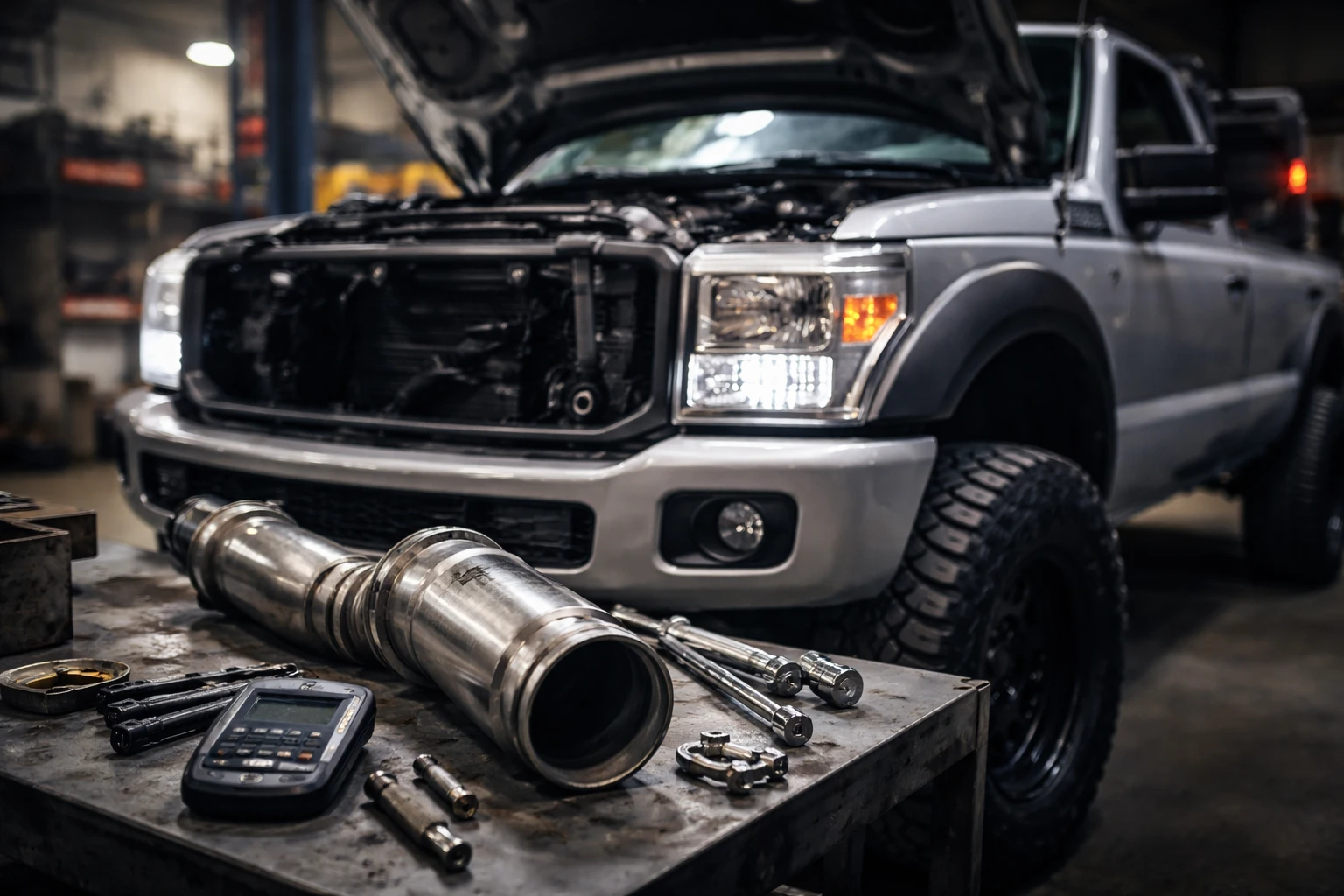
Diesel trucks are built for strength. They are made to tow, haul, climb, and survive conditions that would destroy most gasoline engines. But many diesel enthusiasts quickly discover something frustrating. Modern emissions systems can limit the raw performance these engines are capable of delivering. That is why conversations about the best diesel delete kits are so common in the off-road community. If you’re building a dedicated off-road truck or race machine, removing restrictive emissions equipment can unlock major performance gains. More horsepower. Faster throttle response. Improved efficiency under load. And sometimes fewer mechanical headaches.
At Explosive Diesels, the goal is simple: help diesel owners extract the maximum performance possible from their off-road vehicles. In this guide, we will break down the best diesel delete kits, how they work, what benefits they provide, and what truck owners should consider before installing one. If you’re serious about building a powerful diesel truck, this guide will give you the knowledge you need.
What Is a Diesel Delete Kit?
A diesel delete kit is a collection of components designed to remove factory emissions systems from a diesel truck. These systems are required for road-legal vehicles, but they can also create airflow restrictions and additional heat within the engine.
Most diesel delete kits remove several emissions components including:
- DPF (Diesel Particulate Filter)
- EGR (Exhaust Gas Recirculation)
- SCR (Selective Catalytic Reduction)
- DEF (Diesel Exhaust Fluid) systems
These systems are designed to reduce pollution, but they also introduce complexity into the engine and exhaust system. Over time they can cause maintenance issues such as clogging, sensor failures, or excessive soot buildup.
For example, the Diesel Particulate Filter captures soot particles from diesel exhaust to reduce emissions. You can read more about how this system works. The best diesel delete kits replace these components with performance-focused hardware that improves airflow and engine efficiency.
Key Components Found in Diesel Delete Kits
Most delete kits include several important parts.
- DPF delete pipe – replaces the restrictive particulate filter
- EGR delete kit – removes exhaust gas recirculation components
- Block-off plates – seal removed components in the engine system
- Hardware and fittings – ensure proper installation
- ECU tuning device – updates the truck’s engine computer
The tuning device is critical. Without proper tuning, the truck will detect missing emissions components and enter limp mode.
Why Diesel Owners Install Delete Kits
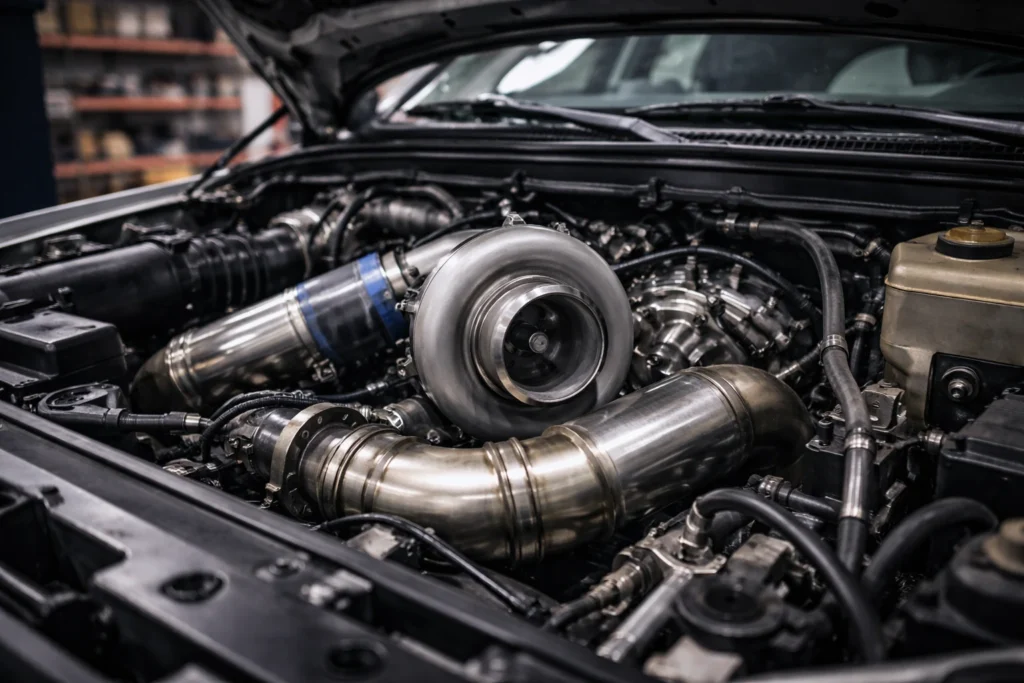
Truck enthusiasts rarely install delete kits for cosmetic reasons. The motivation is performance and reliability. Here are the most common reasons drivers search for the best diesel delete kits.
Increased Engine Performance
The factory emissions system creates resistance in the exhaust system. Removing these restrictions allows exhaust gases to flow more freely.
This leads to:
- Better turbo efficiency
- Improved throttle response
- Increased horsepower and torque
With proper tuning, many trucks see dramatic performance improvements.
| Upgrade | Typical Performance Gain |
| EGR Delete | Improved throttle response |
| DPF Delete | 30–80 HP |
| Full Delete + Tune | 80–150+ HP |
These gains are especially noticeable during towing or heavy acceleration.
Improved Fuel Economy
Many diesel owners report improved fuel economy after installing delete kits. When the engine no longer fights against restrictive emissions systems, it can operate more efficiently.
Common results include:
- 2–5 MPG improvement
- More efficient highway cruising
- Reduced fuel consumption under heavy load
Driving habits and tuning settings will influence the results.
Lower Exhaust Gas Temperatures
High exhaust gas temperatures can cause serious engine damage. When emissions systems create exhaust restrictions, heat builds up inside the engine. Removing those restrictions allows heat to dissipate more efficiently.
Benefits include:
- Lower exhaust gas temperatures (EGTs)
- Reduced stress on turbochargers
- Improved engine longevity
This is particularly valuable for trucks used in towing or off-road environments.
Reduced Maintenance Problems
Modern diesel emissions systems contain multiple sensors, filters, and fluid systems.
Common failures include:
- DPF clogging
- EGR valve failure
- DEF pump malfunction
- Sensor errors
Repairing these components can be expensive. Many off-road truck owners install the best diesel delete kits specifically to eliminate these failure points.
Legal Considerations Before Installing a Delete Kit
Before installing any delete kit, it is important to understand the legal implications. In many regions, including the United States, removing emissions equipment from a road-legal vehicle is illegal. According to the U.S. Environmental Protection Agency (EPA), tampering with emissions control devices on vehicles designed for road use is prohibited under the Clean Air Act.
Diesel delete kits are typically intended for:
- Off-road vehicles
- Race trucks
- Competition builds
Using them on public roads may violate environmental regulations and could result in fines. Truck owners should always verify local laws before installing any emissions modification.
Factors to Consider When Choosing a Diesel Delete Kit
Not all delete kits are created equal. Some offer excellent performance and reliability. Others can cause serious problems. When searching for the best diesel delete kits, consider the following factors.
Truck Compatibility
Different diesel engines require different delete kits.
For example:
| Truck Brand | Common Diesel Engines |
| Duramax | LBZ, LMM, LML, L5P |
| Cummins | 5.9L, 6.7L |
| Powerstroke | 6.0L, 6.4L, 6.7L |
Each engine generation has unique hardware requirements and tuning needs. Always verify compatibility with your truck’s model year and engine type.
Tuning Support
Tuning is the most critical part of any delete setup. Without proper tuning, the engine control module will detect missing emissions components and trigger warning codes or limp mode.
Quality tuning can also optimize:
- Fuel delivery
- Turbo performance
- Throttle response
Many enthusiasts consider tuning to be the most important component of the best diesel delete kits.
Material Quality
Delete kits are exposed to extreme heat and harsh driving conditions. Cheap materials can fail quickly.
High-quality kits typically include:
- Stainless steel exhaust piping
- Precision welds
- Durable hardware
For off-road trucks, durability matters.
Installation Complexity
Some delete kits are straightforward to install. Others require significant mechanical work.
Before purchasing a kit, consider:
- Your mechanical experience
- Required tools
- Installation time
Many installations take 4 to 8 hours, depending on the vehicle.
Types of Diesel Delete Kits
The best diesel delete kits come in several forms depending on how much of the emissions system you want to remove.
Full Delete Kits
Full delete kits remove most emissions components from the vehicle.
Typical components include:
- DPF delete pipe
- EGR delete kit
- ECU tuner
- Installation hardware
These kits provide the largest performance gains. They are also the most complex.
EGR Delete Kits
EGR delete kits remove the exhaust gas recirculation system.
Benefits include:
- Reduced soot buildup
- Lower intake temperatures
- Improved engine reliability
These kits are sometimes installed independently.
DPF Delete Kits
DPF systems trap soot particles inside the exhaust system. Over time they can clog and restrict airflow.
Removing the DPF allows:
- Faster turbo spool
- Stronger acceleration
- Better exhaust flow
Many drivers notice immediate improvements.
Installation Overview
Installing one of the best diesel delete kits requires mechanical experience and proper tools.
Tools Needed
- Socket set
- Ratchets and extensions
- Penetrating oil
- Jack stands or vehicle lift
- Exhaust clamps
- ECU tuning device
Basic Installation Steps
- Disconnect the truck’s battery.
- Remove factory emissions components.
- Install the delete pipes.
- Install EGR block-off plates.
- Upload the proper ECU tune.
- Start the engine and check for leaks.
Installation time typically ranges from 4 to 8 hours depending on the vehicle.
Common Mistakes When Installing Diesel Delete Kits
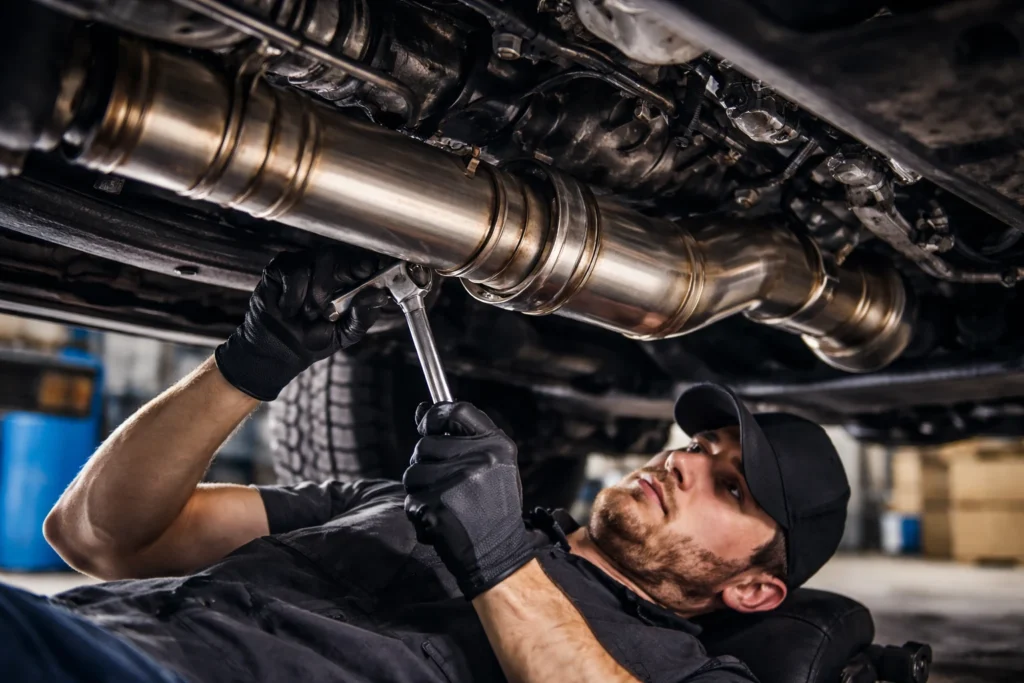
Even experienced mechanics can make mistakes during installation. Here are some common problems to avoid.
Using Incorrect Tunes
Incorrect tuning files can cause engine problems or constant warning lights.
Poor Exhaust Sealing
Leaks in the exhaust system reduce performance and increase noise.
Low-Quality Components
Cheap delete kits often fail quickly due to poor materials.
Skipping Supporting Modifications
Performance upgrades work best when paired with complementary components such as:
- High-flow intake systems
- Performance exhaust upgrades
- Turbocharger improvements
The best diesel delete kits perform best when installed as part of a balanced performance build.
Avoid Confusing Diesel Delete Kits With Unrelated Online Guides
While researching truck performance upgrades online, you may occasionally see unrelated tutorials due to keyword similarities. For example, some articles explain how to delete kits in gimkit, which refers to removing quiz sets in an online classroom game platform. Despite the similar wording, that topic has nothing to do with diesel trucks or the best diesel delete kits used in off-road vehicle performance builds. Always make sure your sources are focused on diesel performance and truck modifications rather than unrelated software tutorials.
Maintaining a Diesel Truck After Installing a Delete Kit
Performance modifications require proper maintenance. Truck owners should follow these guidelines.
Recommended Maintenance Practices
- Perform regular oil changes
- Monitor exhaust gas temperatures
- Inspect exhaust components periodically
- Keep tuning software updated
Performance builds require attention, but the reward is improved reliability and power.
Final Thoughts
Diesel trucks are incredibly capable machines. They are built to handle extreme loads, tough terrain, and long service lives. But emissions systems can restrict their true potential. For off-road enthusiasts and race truck builders, installing one of the best diesel delete kits can transform the driving experience. Increased horsepower, improved torque, better throttle response, and fewer emissions-related maintenance issues can make a significant difference.
That said, these modifications are intended for off-road use and should be installed responsibly. At Explosive Diesels, we believe performance upgrades should always be done correctly. Use high-quality components. Choose reliable tuning solutions. And always understand how modifications affect your engine. Do that, and your diesel truck becomes something far more than a factory vehicle. It becomes a purpose-built machine designed for power, reliability, and explosive performance.
FAQs
A diesel delete kit removes emissions components like the DPF and EGR from a diesel truck to improve performance and airflow.
Yes, many trucks gain 30–150 horsepower depending on the engine, tuning, and supporting modifications.
In many cases, fuel economy improves by 2–5 MPG because the engine operates with less exhaust restriction.
Delete kits are typically only legal for off-road or race vehicles and may violate emissions laws if used on public roads.
Most kits remove the Diesel Particulate Filter (DPF), Exhaust Gas Recirculation (EGR), and sometimes SCR/DEF systems.
Yes, a tuner is required to update the engine control module so the truck runs properly without emissions components.
Many experienced DIY mechanics can install one, but professional installation may be easier if you lack tools or experience.
Duramax, Cummins, and Powerstroke diesel trucks often see the biggest performance improvements.
Most installations take between 4 and 8 hours depending on the vehicle and experience level.
They can eliminate common emissions-related failures like clogged DPF filters or faulty EGR valves.