
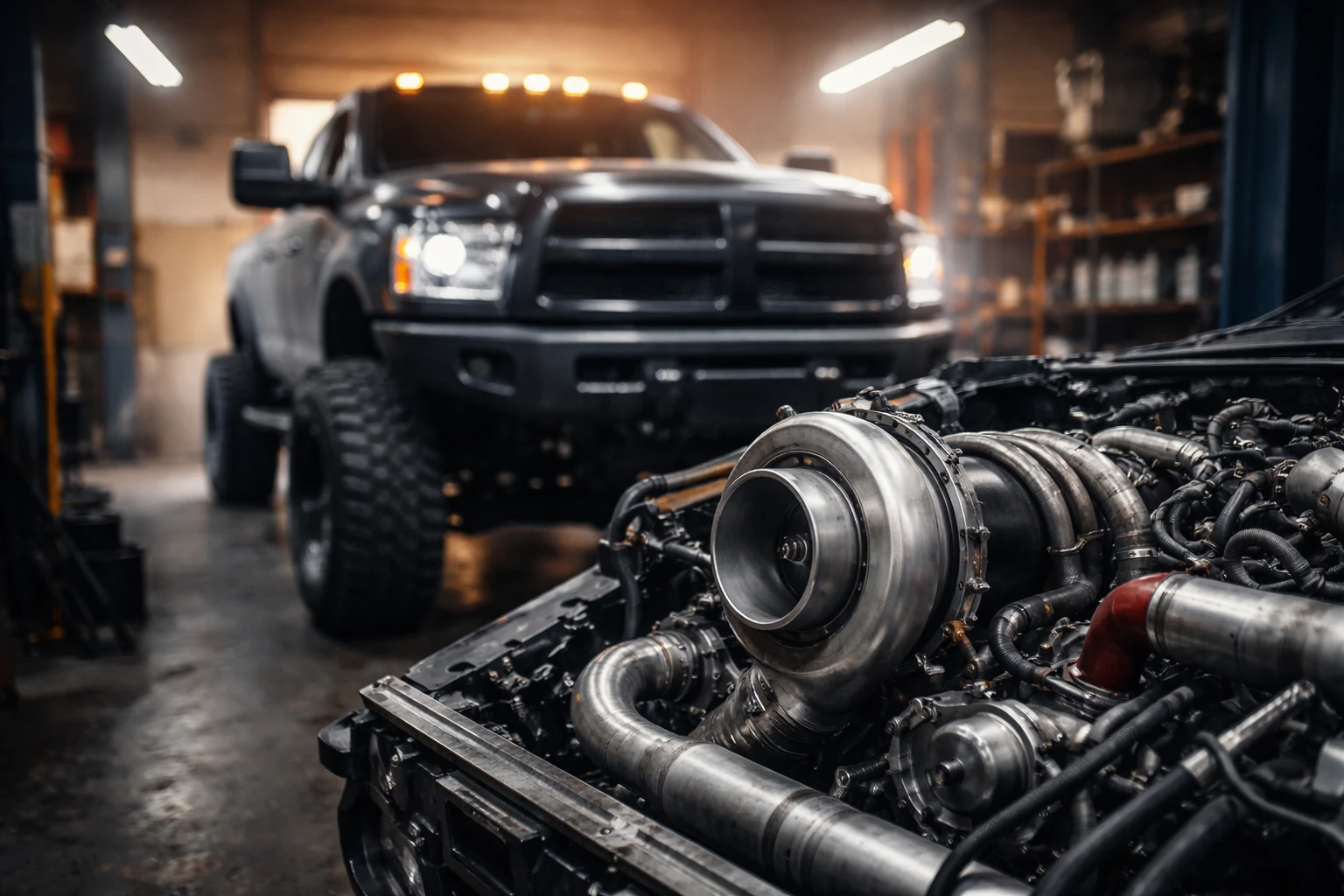
Modern diesel trucks are known for strength, durability, and impressive torque. They are built to pull trailers, climb steep terrain, and handle demanding workloads that would overwhelm many gasoline engines. Yet many diesel enthusiasts quickly discover that modern emissions systems can restrict the engine’s full potential. That’s why so many off-road drivers research how diesel delete kits improve diesel engine performance and whether these modifications can unlock additional power.
In off-road builds and competition trucks, the goal is simple: maximize airflow, reduce restrictions, and allow the engine to operate more efficiently. Diesel delete kits are one of the most discussed upgrades in the performance diesel world because they address several components that can limit performance. When installed and tuned correctly for off-road applications, these kits can dramatically change how a diesel engine responds. Let’s take a deeper look at what diesel delete kits are, how they work, and why many enthusiasts believe they significantly improve diesel engine performance.
Unlocking the Real Potential of Diesel Engines
Modern diesel engines are incredibly advanced. Manufacturers design them to meet strict emissions regulations while still delivering strong performance. To meet these environmental standards, several emissions control systems are installed in diesel trucks.
These include:
- Diesel Particulate Filters (DPF)
- Exhaust Gas Recirculation (EGR) systems
- Diesel Exhaust Fluid (DEF) systems
- Selective Catalytic Reduction (SCR) systems
These systems play an important role in reducing pollution. According to the U.S. Environmental Protection Agency, modern diesel emissions technologies are designed to reduce particulate matter and nitrogen oxides produced by engines. You can learn more about diesel emissions technology through the U.S. EPA Diesel Technology. While effective for emissions control, these systems can create additional restrictions inside the engine and exhaust system. That’s why performance enthusiasts frequently explore how diesel delete kits improve diesel engine performance, especially for vehicles used off-road or in competition.
What Are Diesel Delete Kits?
A diesel delete kit is a group of components designed to remove or bypass certain emissions systems in a diesel engine. These kits are typically used on off-road vehicles, race trucks, or competition builds where emissions compliance for public roads is not required.
A typical delete kit may remove or modify:
- Diesel Particulate Filter (DPF)
- Exhaust Gas Recirculation (EGR) system
- Diesel Exhaust Fluid (DEF) system
- Selective Catalytic Reduction (SCR)
Most kits include several components such as:
- Block-off plates
- Replacement exhaust pipes
- ECU tuning software
- Hardware for removing emissions components
The purpose of these components is to simplify the engine system and reduce airflow restrictions. When enthusiasts start researching the best diesel delete kits for off road trucks, they often compare kit quality, compatibility, and tuning support to ensure they get the most reliable performance gains.
To understand why these kits are popular among off-road builders, it helps to examine the emissions systems themselves.
Understanding Modern Diesel Emissions Systems
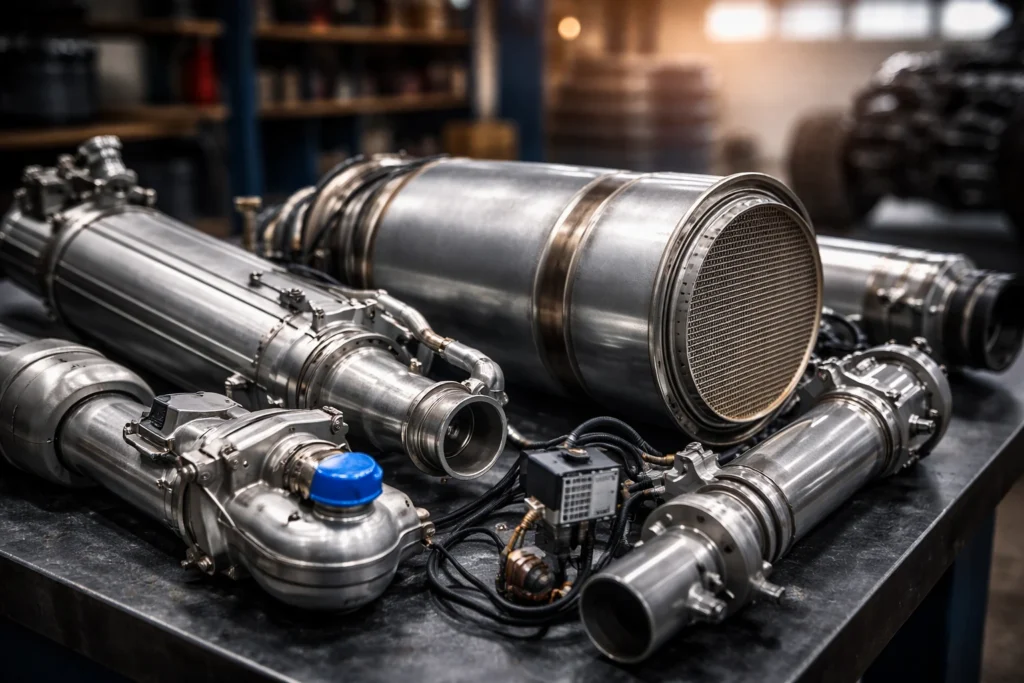
Modern diesel trucks rely on several technologies to reduce harmful emissions. While these technologies help the environment, they can sometimes reduce performance or add mechanical complexity.
Diesel Particulate Filter (DPF)
The diesel particulate filter is designed to capture soot particles produced during diesel combustion. Over time, the filter fills with soot and must burn it off through a process called regeneration.
During regeneration:
- Additional fuel is injected
- Exhaust temperatures increase
- Engine efficiency temporarily drops
According to information about the Diesel Particulate Filter, these filters trap particulate matter to prevent it from entering the atmosphere. However, regeneration cycles can increase fuel consumption and create extra heat within the exhaust system.
Exhaust Gas Recirculation (EGR)
The EGR system reduces nitrogen oxide emissions by routing a portion of exhaust gases back into the intake system. This lowers combustion temperatures and reduces emissions. But this process also introduces hot exhaust gases into the engine’s intake air.
Over time, this can cause:
- Carbon buildup in intake components
- Reduced airflow efficiency
- Decreased engine responsiveness
For off-road vehicles that prioritize performance, these side effects can become a concern.
Diesel Exhaust Fluid (DEF) and SCR Systems
DEF systems inject a fluid mixture into the exhaust stream to reduce nitrogen oxide emissions. The SCR system then converts harmful gases into nitrogen and water vapor.
Although effective, DEF systems introduce additional components such as:
- DEF tanks
- Pumps
- Sensors
- Control modules
These parts add complexity and can occasionally fail, especially in harsh environments.
How Diesel Delete Kits Improve Diesel Engine Performance
Now we get to the core of the discussion. Understanding how diesel delete kits improve diesel engine performance requires looking at how airflow, heat, and engine efficiency interact.
Increased Horsepower and Torque
One of the most noticeable benefits is improved power output. When emissions systems restrict exhaust flow, the turbocharger must work harder to push exhaust gases through the system. This restriction creates backpressure that can limit engine efficiency. By removing those restrictions in off-road setups, the exhaust gases flow more freely.
This can lead to:
- Increased horsepower
- Improved torque output
- Faster engine response
Many diesel performance builds report power gains ranging from 30 to over 100 horsepower, depending on the engine and tuning configuration.
Improved Fuel Efficiency
Another reason drivers investigate how diesel delete kits improve diesel engine performance is fuel economy. Emissions systems like the DPF require regeneration cycles that consume extra fuel. These cycles occur periodically to burn soot trapped in the filter.
Without those cycles:
- Fuel consumption can stabilize
- Combustion efficiency improves
- Engine load decreases
Drivers often report improved fuel mileage, particularly during long-distance driving or towing.
Lower Exhaust Temperatures
High exhaust gas temperatures can damage engine components over time. When exhaust flow is restricted, heat builds up in the engine and turbocharger. Delete kits can reduce this heat by improving airflow.
Lower temperatures help protect:
- Turbochargers
- Pistons
- Valves
- Exhaust components
Reduced heat stress can extend the life of key engine parts.
Faster Turbocharger Response
Turbochargers rely on smooth airflow to operate efficiently. When exhaust systems become restricted or clogged with soot, turbo response slows down. This delay is often called turbo lag. Removing those restrictions can improve turbo performance.
Benefits may include:
- Faster turbo spool
- Stronger boost pressure
- Quicker throttle response
For off-road drivers, this improvement can make a noticeable difference when climbing hills or accelerating on rough terrain.
Reduced Engine Complexity
Modern diesel engines rely on dozens of sensors and control systems to manage emissions components. If one sensor fails or detects an abnormal reading, the engine may enter limp mode. By simplifying the system in off-road builds, delete kits can reduce the number of components that might fail.
Drivers often experience:
- Fewer warning lights
- More predictable engine performance
- Reduced maintenance interruptions
This is another reason discussions around how diesel delete kits improve diesel engine performance are common in diesel performance communities.
Real-World Performance Differences
Performance improvements vary depending on the truck, engine, and tuning setup. However, many diesel enthusiasts report similar changes after installing delete kits on off-road vehicles.
Here’s a general comparison.
| Feature | Stock Diesel Setup | Deleted Off-Road Setup |
| Exhaust Flow | Restricted | Free-flowing |
| Turbo Response | Slower | Faster |
| Horsepower | Moderate | Higher potential |
| Fuel Efficiency | Variable | Often improved |
| Maintenance Complexity | Higher | Lower |
These differences help explain why many off-road builders continue researching how diesel delete kits improve diesel engine performance when modifying their trucks.
Additional Benefits for Off-Road Vehicles
Off-road trucks operate in challenging conditions that can expose weaknesses in complex emissions systems.
Common conditions include:
- Dusty environments
- Mud and water crossings
- Heavy towing loads
- Long-distance trail driving
Simplifying the engine system can make maintenance easier and reduce potential failure points.
Off-road drivers often report:
- More reliable performance
- Reduced limp-mode incidents
- Easier engine maintenance
For racing trucks and competition builds, reliability can be just as important as horsepower.
Choosing the Right Diesel Delete Kit
If you are exploring how diesel delete kits improve diesel engine performance, choosing high-quality components is essential.
Consider these factors when selecting a kit.
Engine Compatibility
Different diesel engines require different kits. Popular diesel platforms include:
- Cummins engines
- Duramax engines
- Powerstroke engines
Always confirm compatibility with your specific engine model.
Component Quality
High-quality kits typically include:
- Stainless steel exhaust pipes
- Durable hardware
- Reliable tuning software
Lower-quality components can create installation problems or reduce performance gains.
Professional Installation
Some delete kits require advanced mechanical work and ECU programming.
Installation may involve:
- Removing major exhaust components
- Reprogramming the engine control unit
- Installing new pipes and fittings
Many performance builders recommend professional installation to ensure proper tuning.
Maintenance After Installing a Delete Kit
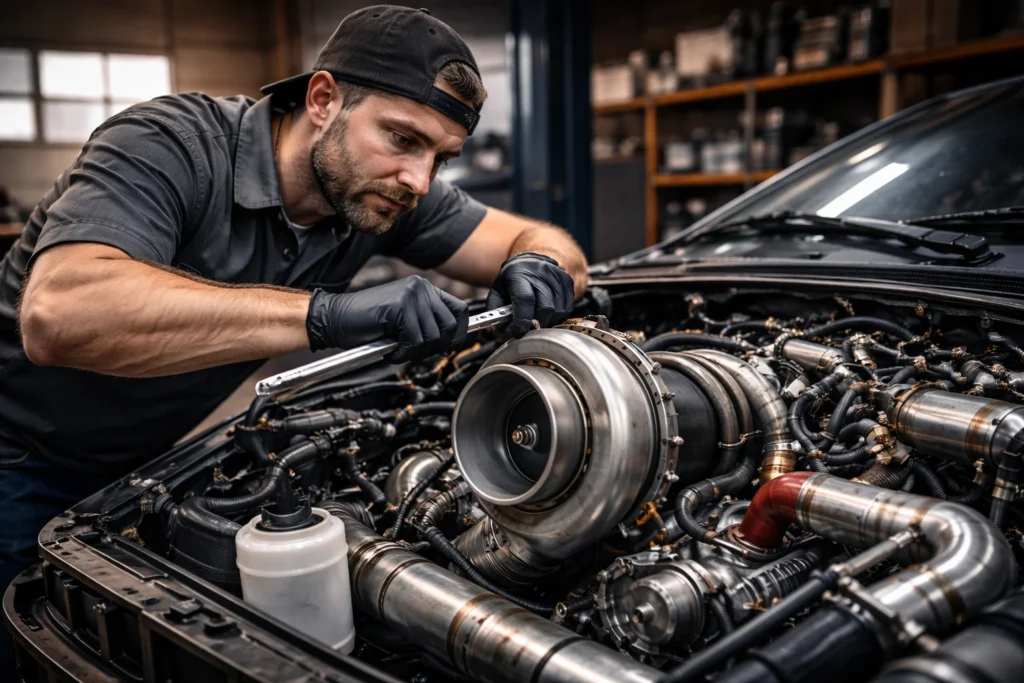
After installing performance modifications, proper maintenance becomes even more important.
Recommended practices include:
- Regular oil changes
- Monitoring exhaust temperatures
- Inspecting turbochargers periodically
- Checking exhaust connections
Maintaining the engine properly ensures you continue benefiting from how diesel delete kits improve diesel engine performance without introducing unnecessary wear.
Final Thoughts
Diesel engines are already powerful machines, but emissions systems can sometimes limit their performance. That’s why many off-road enthusiasts research how diesel delete kits improve diesel engine performance when building trucks for competition or extreme environments. By reducing exhaust restrictions, simplifying the engine system, and improving airflow, delete kits can help diesel engines operate more efficiently.
Potential benefits include:
- Increased horsepower and torque
- Improved fuel efficiency
- Faster turbo response
- Lower engine temperatures
- Reduced mechanical complexity
For off-road applications, these improvements can dramatically change how a diesel truck performs under demanding conditions. When done properly with high-quality components and responsible tuning, diesel performance builds can unlock a new level of capability. And for enthusiasts who love pushing their trucks to the limit, that extra performance can make all the difference. At the end of the day, the growing interest in how diesel delete kits improve diesel engine performance reflects one simple truth: diesel engines still have untapped potential waiting to be unleashed.
FAQs
A diesel delete kit removes or bypasses certain emissions components like the DPF, EGR, and DEF systems to reduce restrictions and improve engine performance in off-road applications.
They reduce exhaust restrictions and allow better airflow, which can increase horsepower, improve fuel efficiency, and enhance turbocharger response.
Yes, removing restrictive emissions components can improve exhaust flow, which may result in noticeable horsepower and torque gains when properly tuned.
In many regions they are not legal for vehicles driven on public roads and are typically intended for off-road or competition use only.
Many drivers report better fuel efficiency because the engine no longer runs regeneration cycles required by emissions systems like the DPF.
When properly installed and tuned, they can reduce complexity and potential failure points in emissions systems, which may improve reliability in off-road vehicles.
Yes, ECU tuning is usually required to adjust engine parameters and prevent error codes after removing emissions components.
Performance enthusiasts often install them on Cummins, Duramax, and Powerstroke engines used in off-road or competition builds.
Some experienced mechanics install them at home, but professional installation is recommended to ensure proper tuning and safe operation.
They are commonly used on racing, farm, and off-road trucks where maximum performance and reduced system complexity are priorities.